How to Plan a Cinder Block Retaining Wall
Retaining walls are engineered to hold back soil and manage water drainage. Using cinder blocks (CMUs) for these walls is a popular choice because they provide the necessary mass and strength to resist the "earth pressure" from the soil behind them. Calculating the blocks correctly is vital for both your budget and the wall's structural stability.
The Importance of Wall Height
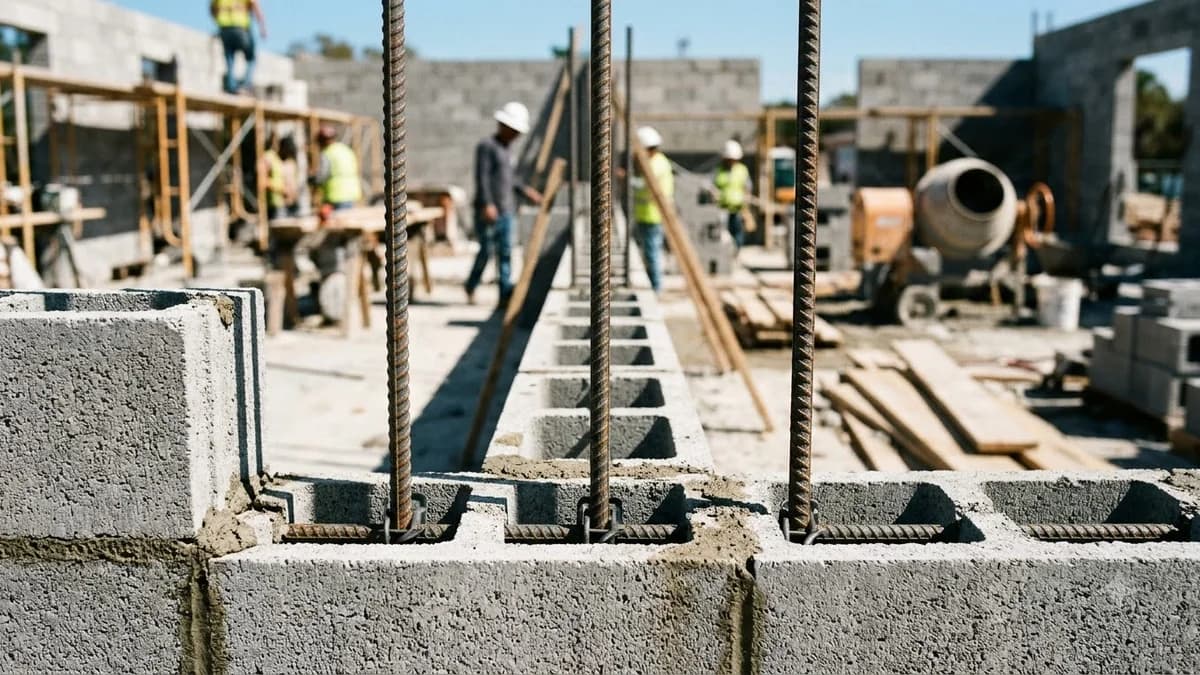
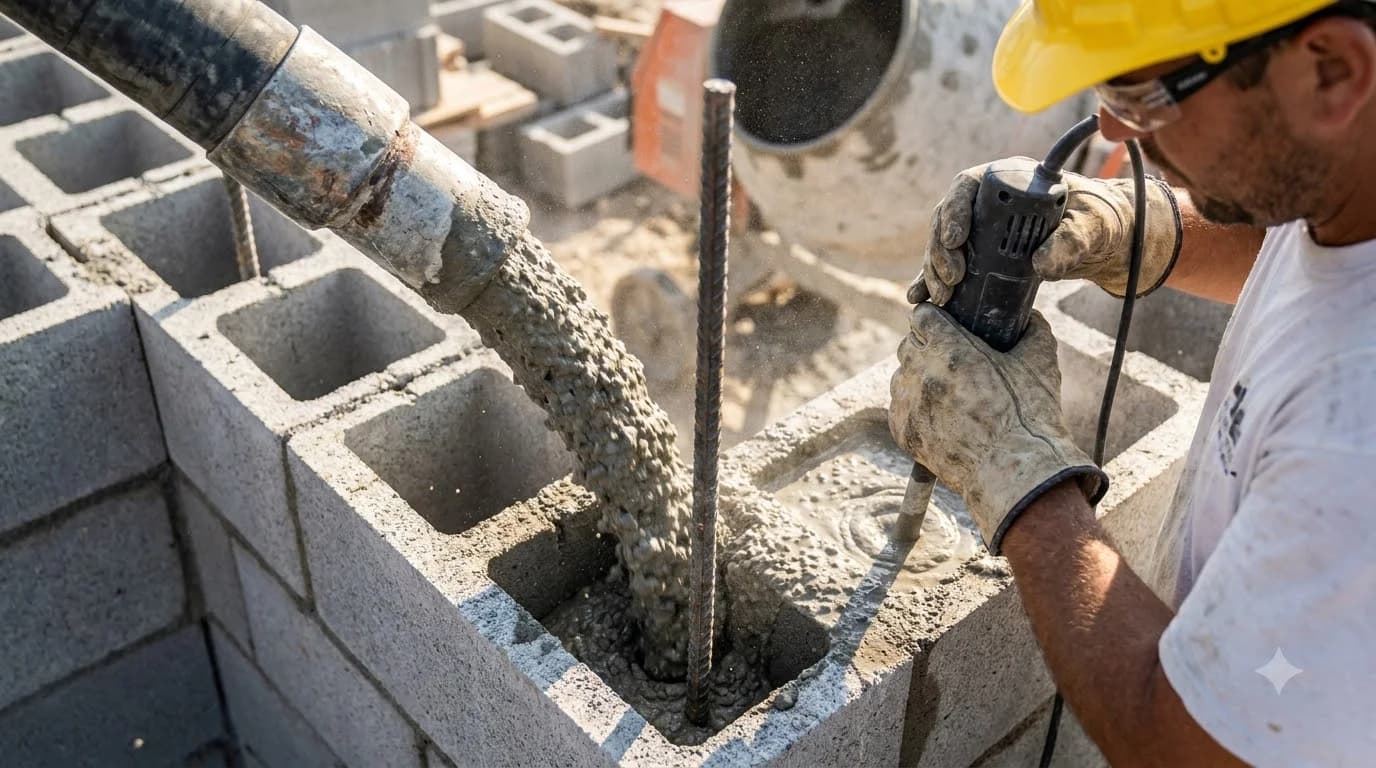
In most regions, any retaining wall over 3 to 4 feet tall requires a permit and professional engineering. This is because the pressure of the soil increases exponentially with height. For these taller walls, standard cinder blocks must be heavily reinforced with steel rebar and concrete grout.
Pro Builder Tip
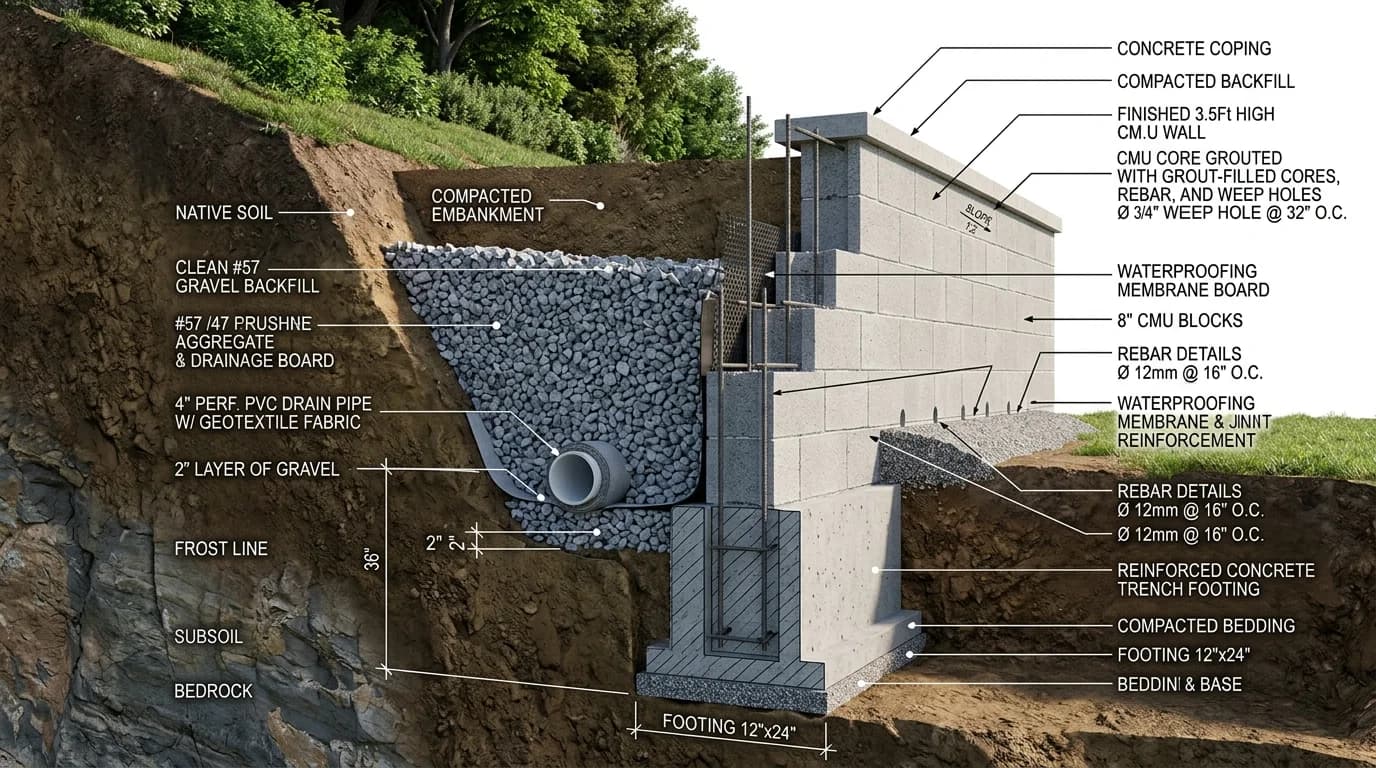
"Never forget the drainage! A retaining wall is essentially a dam for water. Always include a perforated drainage pipe (French drain) and gravel backfill behind the wall to prevent hydrostatic pressure from causing a collapse."
Estimating Blocks for Your Retaining Wall
To get an accurate count, use our calculator with the total length and desired height. For a typical retaining wall project:
- Calculate the Face Area: Multiply Length x Height.
- Factor in the Footing: Often, one or two courses of block are buried underground to provide a stable base. Add these to your total height.
- Divide by 0.89: This gives you the number of 8x8x16 blocks needed.
- Add 10% Waste: Essential for handling cuts at ends and corners.