Heavy Sub-Grade Tool

Cinder Block Basement
Calculator

Plan subterranean residential projects with a professional estimator that calculates structural blocks, solid grout, steel reinforcement, exterior membrane waterproofing, and continuous perimeter footings.

Basement Structural Materials

Enter dimensions to estimate basement structural shell

Engineered Foundation Note

Footing estimates are based on an $18" \times 10"$ footing with continuous horizontal reinforcement. Trench depth must sit below local frost zones.

Basement Sizing Quick Reference

Standard 8ft Basement

Dimensions:40' × 30'Wall Height:8 ftBlocks Required:~1,236 pcsRebar Center:Vert. every 24"

Deep 9ft Basement

Dimensions:40' × 30'Wall Height:9 ftBlocks Required:~1,395 pcsRebar Center:Vert. every 24"

Premium 10ft Basement

Dimensions:50' × 36'Wall Height:10 ftBlocks Required:~2,025 pcsRebar Center:Vert. every 16"

Small Utility Cellar

Dimensions:24' × 20'Wall Height:8 ftBlocks Required:~775 pcsRebar Center:Vert. every 24"

How to Calculate Subterranean Basement Materials

Designing structural masonry basement walls below grade requires strict attention to lateral soil dynamics, hydrostatic moisture pressure, and continuous structural reinforcing steel.

1

Cinder Block Basement Calculator (2026)

Identify the soil profile. Expansive wet clays exert double the lateral pressure of dry gravels, demanding heavier reinforcement.

2

Cinder Block Basement Calculator (2026)

Multiply perimeter by total subterranean wall height. A 40' × 30' footprint at 8 ft height has a gross wall area of 1,120 sq ft.

3

Cinder Block Basement Calculator (2026)

Egress window frames (standard egress is 12 sq ft) and walkout cellar doors represent block-free spaces. Deduct these completely.

4

Cinder Block Basement Calculator (2026)

Divide net wall area by 0.89 to obtain the net block units. Add a strict 10% waste buffer to cover corners and cutting waste.

5

Cinder Block Basement Calculator (2026)

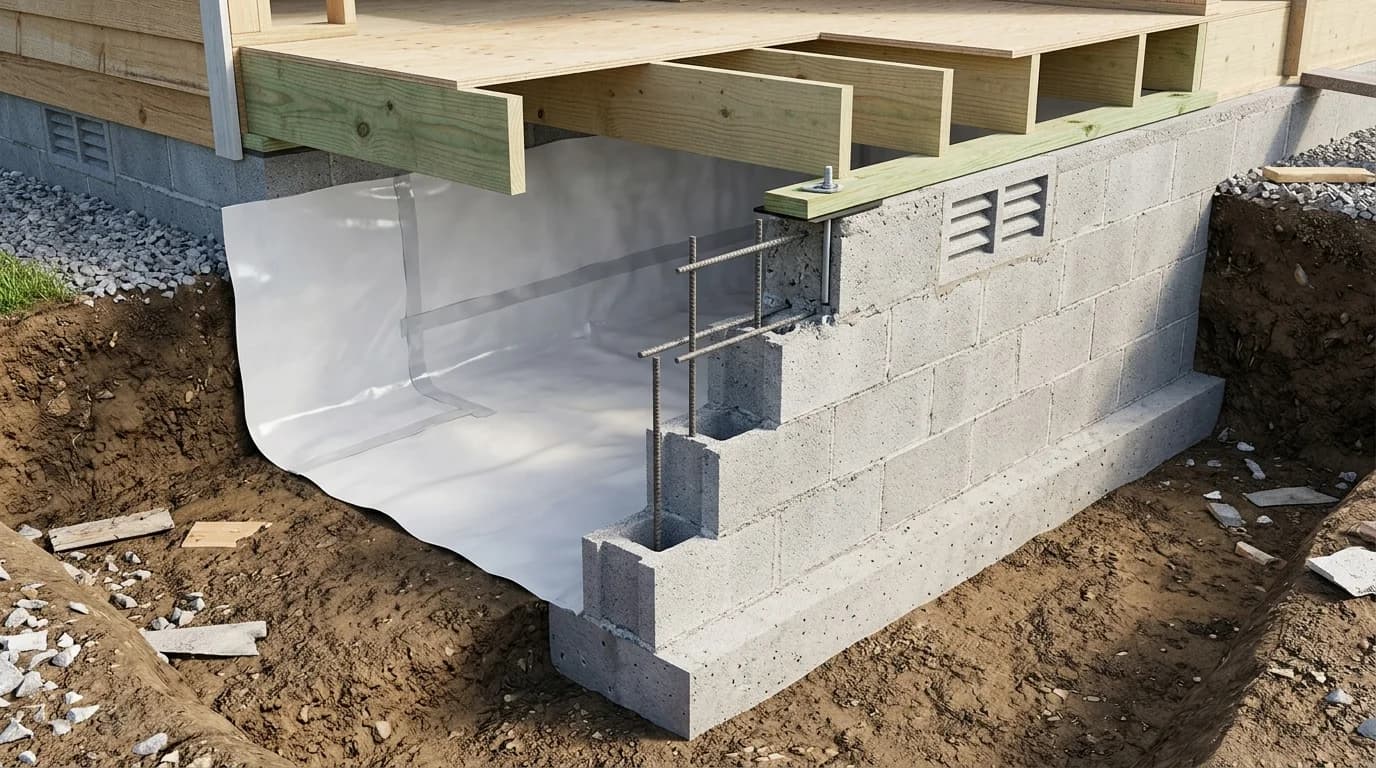
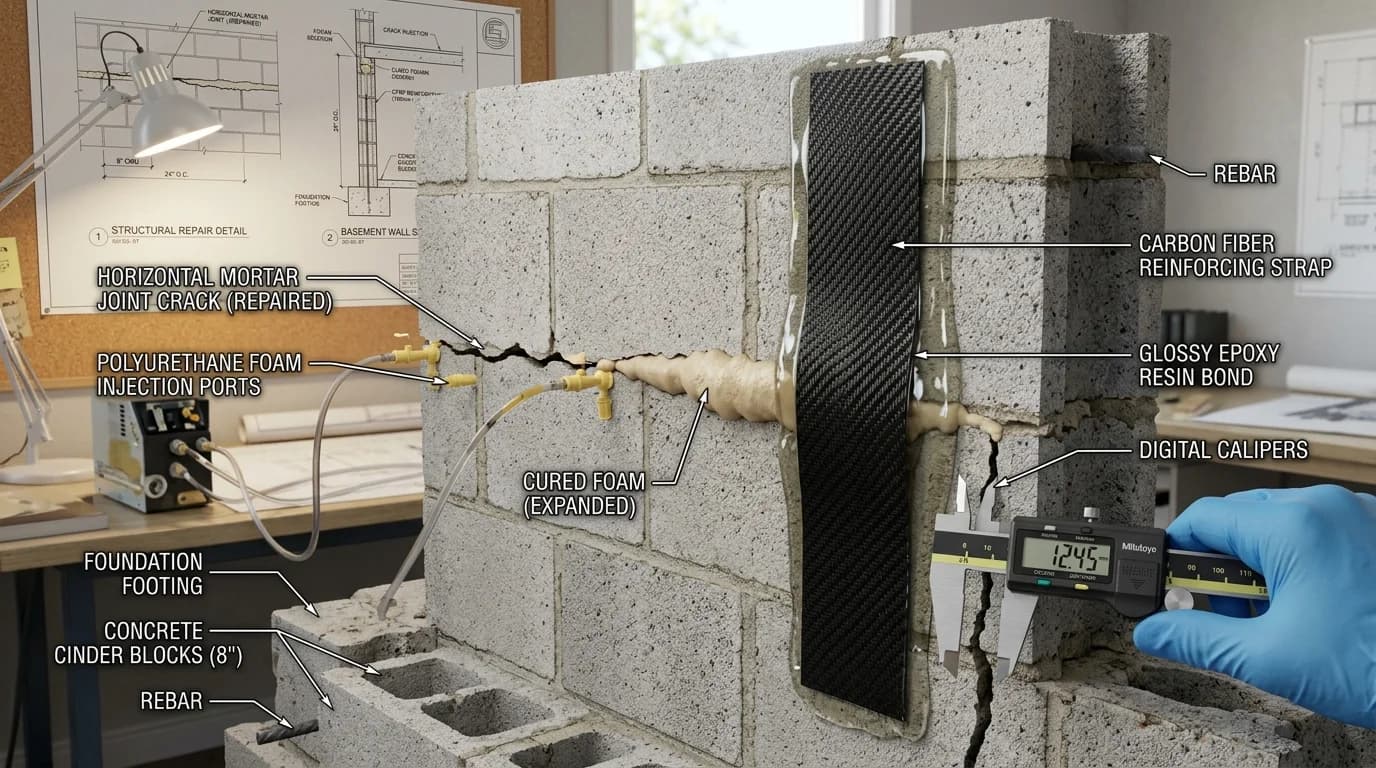
Standard subterranean walls require continuous vertical rebar and solid-filled concrete cores to prevent shear wall failure.

6

Cinder Block Basement Calculator (2026)

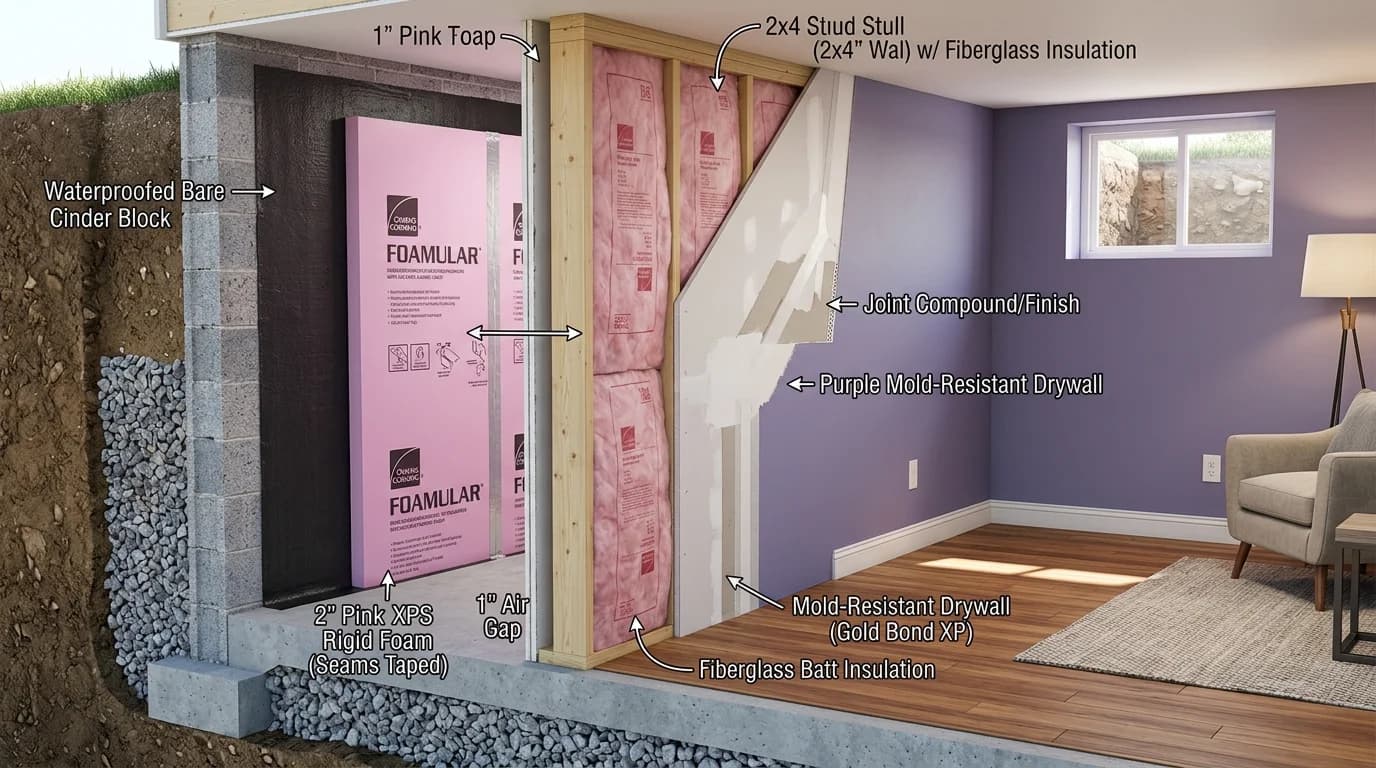
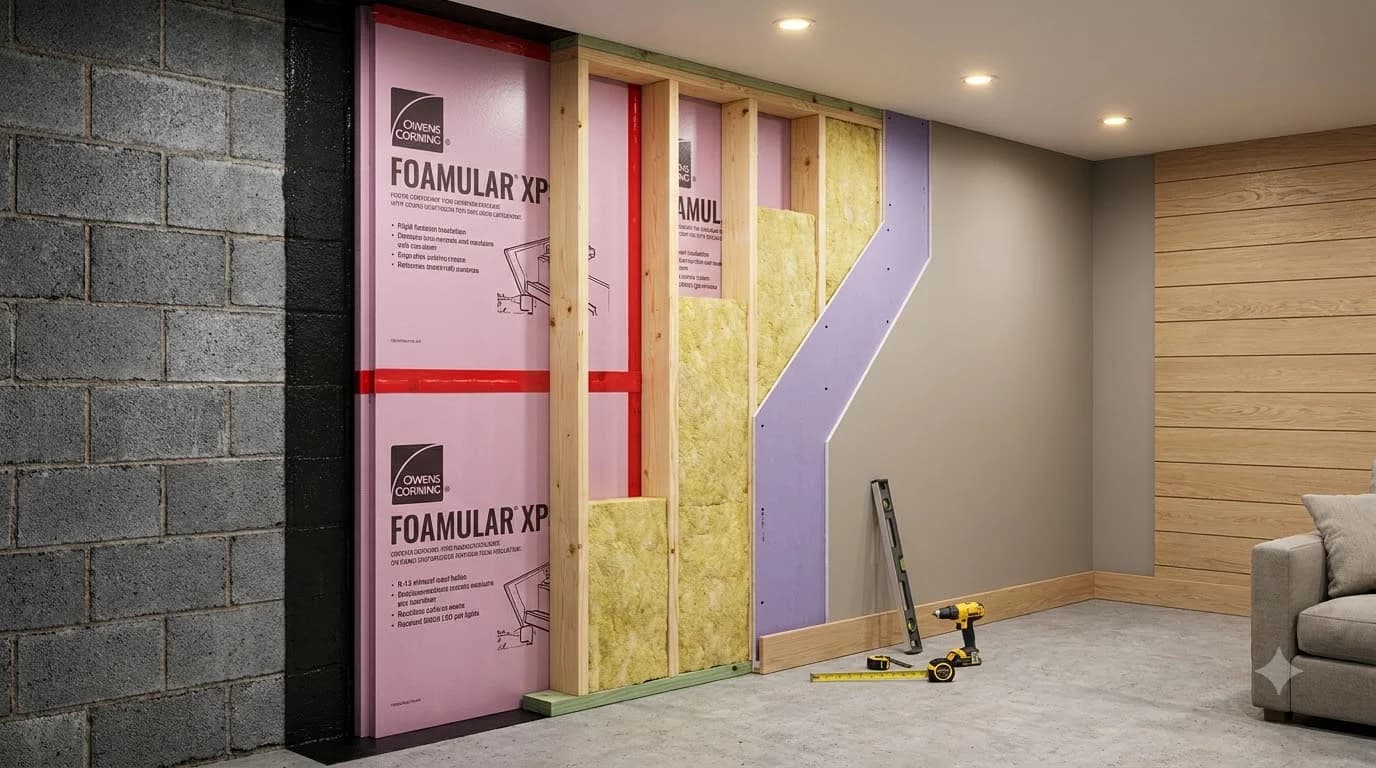
Sub-grade block walls are porous. Estimate exterior tar waterproofing membrane, footing drains, and clean gravel backfill.

Professional Basement Construction Standards

  • Solid Core Grouting: Completely filling every vertical hollow cell with heavy concrete grout is highly recommended to block groundwater seepage and maximize bending resistance.
  • French Perimeter Drain: Lay a 4-inch perforated drainage pipe wrapped in geotextile fabric at the footer base to direct hydrostatic water away.
  • Tar & Membrane Waterproofing: Roll a thick layer of elastomeric subterranean tar membrane onto clean exterior block walls before backfilling with washed stone.
  • Soil Pressure Loadings: Wet expansive clay silt profiles can exert over 60 pounds per square foot per foot of depth, requiring structural engineering signoff.

Cinder Block Thickness Standards

Choosing the correct block thickness affects structural capacity, lateral earth load resistance, and cost:

8-inch CMU

Best For:Shallow cellars (under 7 ft deep), residential basements with low-pressure well-drained soilsLoad Rating:Standard structural support, low soil pressure onlyUnit Weight:38 lbs

10-inch CMU

Best For:Standard 8 ft and 9 ft deep basements with moderate silt/clay soil pressuresLoad Rating:High shear wall load and bending capacityUnit Weight:43 lbs

12-inch CMU

Best For:Deep premium 10 ft basements, commercial structures, expansive clay soil locationsLoad Rating:Maximum structural load resistance against heavy earth loadsUnit Weight:55 lbs

Building clearances & mandatory engineering

Subterranean walls are structurally classified as retaining walls. Designing basements demands professional structural engineering plans and zoning clearance prior to beginning excavation.