How to Paint Concrete Cinder Blocks
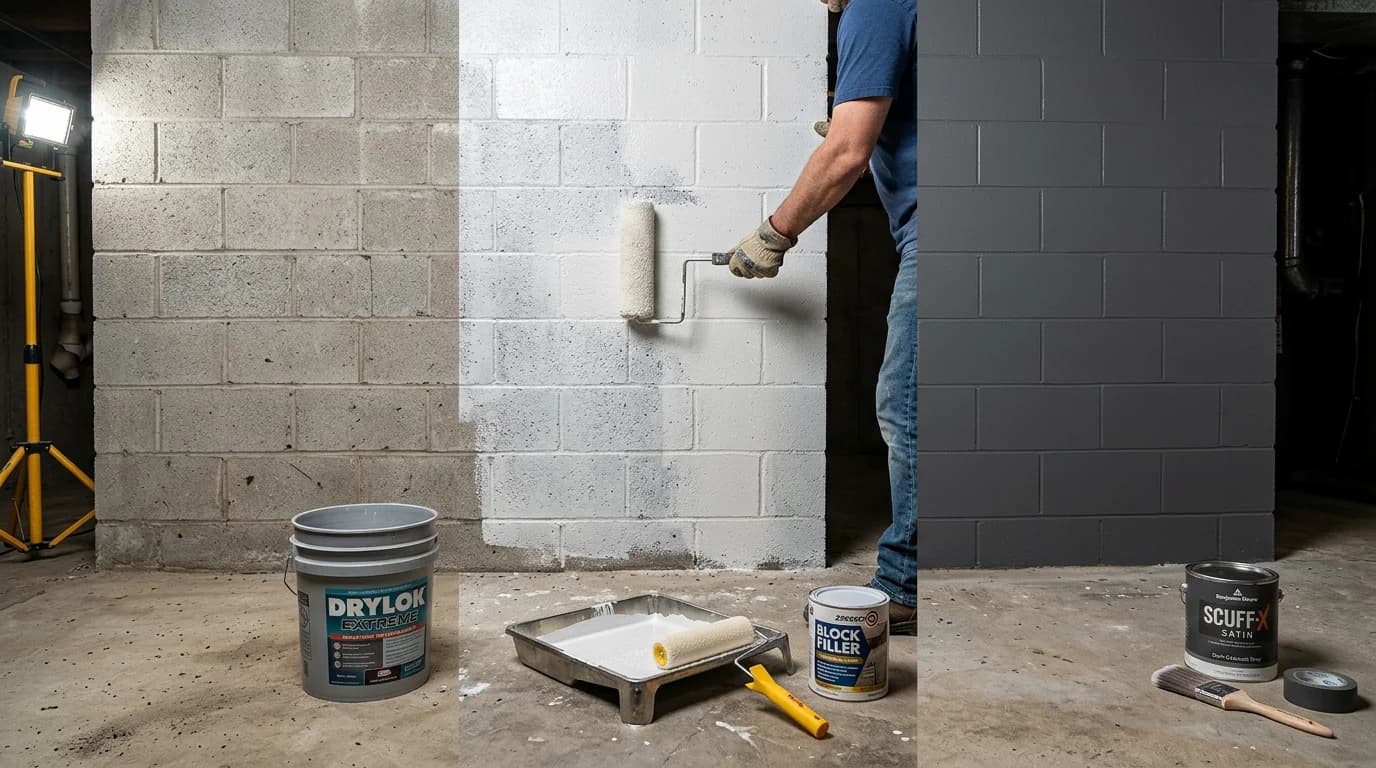
Successfully coating concrete blocks requires proper sealers and preparation to prevent bubbling and peeling:
Estimate paint and block filler primer gallons required based on masonry wall square footage and block porosity. Plan your sealing coating budget accurately.
Masonry Coating & Block Filler Material Takeoff
cinderblockscalculator.com • Inquiries: cindercalc@gmail.com
Date: 10/22/2026
Surface Profile: Standard Porous CMU
Finish Coats: 2 Acrylic Topcoat(s)
| Dimensions | 10' Wall Run × 8' Wall Height | Substrate Texture | AVERAGE |
| Total Masonry Surface Area: | 80 sq ft | ||
| Coating Layer | Specification | Required Volume | Estimated Cost |
|---|---|---|---|
| Heavy-Duty Block Filler Primer | Alkali-Resistant Latex Base (100 sq ft/gal) | 1 Gallons | $35.00 |
| 100% Acrylic Exterior Masonry Paint | Elastomeric Breathable Topcoat (200 sq ft/gal) | 1 Gallons (2 coats) | $45.00 |
| Total Estimated Coating Budget: | $80.00 | ||
Prepared By (Contractor / Painter):
Signature & Date
Client Acceptance & Authorization:
Signature & Date
Estimates based on standard masonry coverage rates. Highly split-face or porous block may require extra primer pass.
CinderCalc Verified Takeoff
Confirm product yields, unit core volumes, supplier pack sizes and local prices before ordering. Reinforcement quantities are material allowances; laps, hooks, embedment and engineered design are excluded.
Small Retaining Wall
Standard Garage Side
Residential Basement
Privacy Perimeter Wall
| Concrete Wall Application | Surface Sizing | Block Filler Primer | Acrylic Paint (2 coats) | Est. Budget Cost |
|---|---|---|---|---|
| Small Retaining Wall | 20' × 4' (80 sq ft) | ~1 gal | ~1 gal | ~$80 |
| Standard Garage Side | 30' × 8' (240 sq ft) | ~2 gal | ~3 gal | ~$205 |
| Residential Basement | 40' × 8' (320 sq ft) | ~3 gal | ~4 gal | ~$285 |
| Privacy Perimeter Wall | 100' × 6' (600 sq ft) | ~5 gal | ~7 gal | ~$490 |
Successfully coating concrete blocks requires proper sealers and preparation to prevent bubbling and peeling:
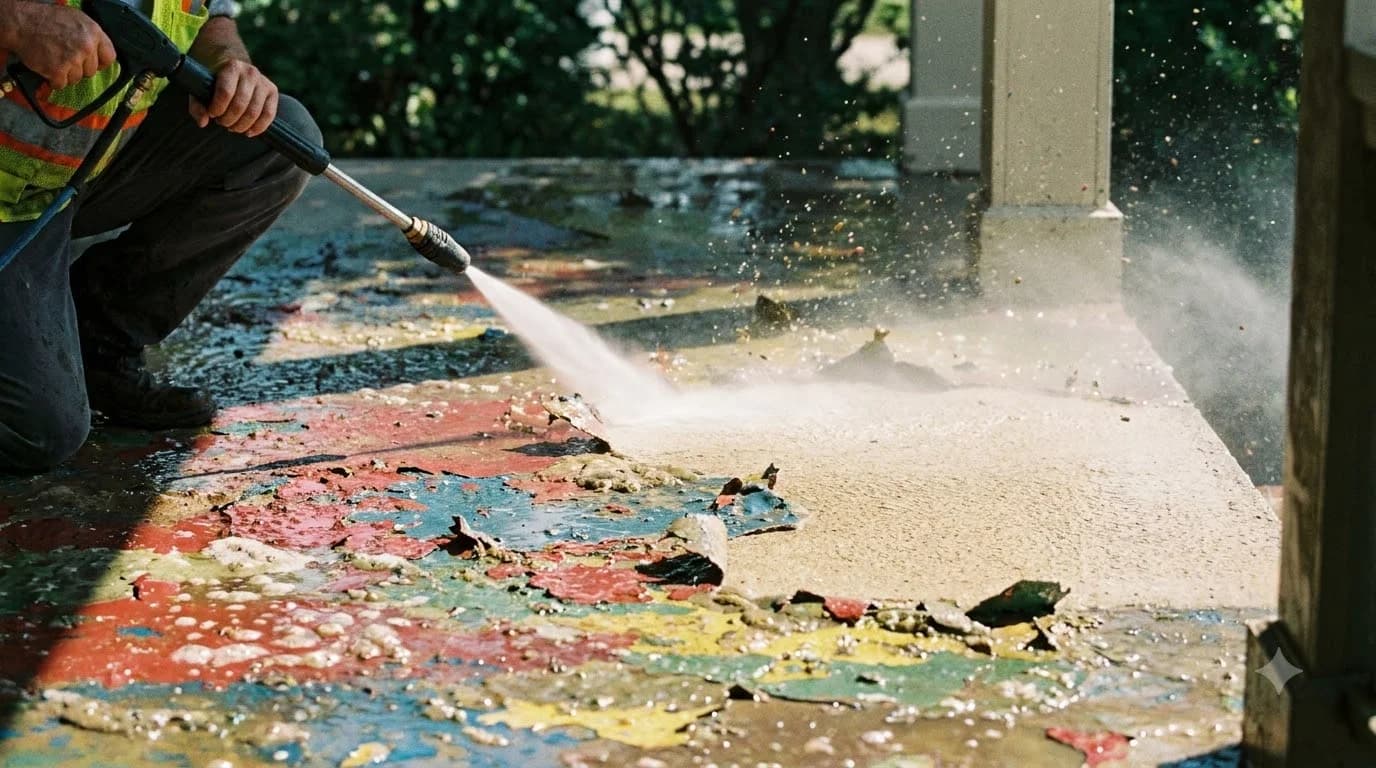
Masonry gathers dirt and white powdery salt (efflorescence). Blast off coatings and dirt with a 2,500 PSI washer.
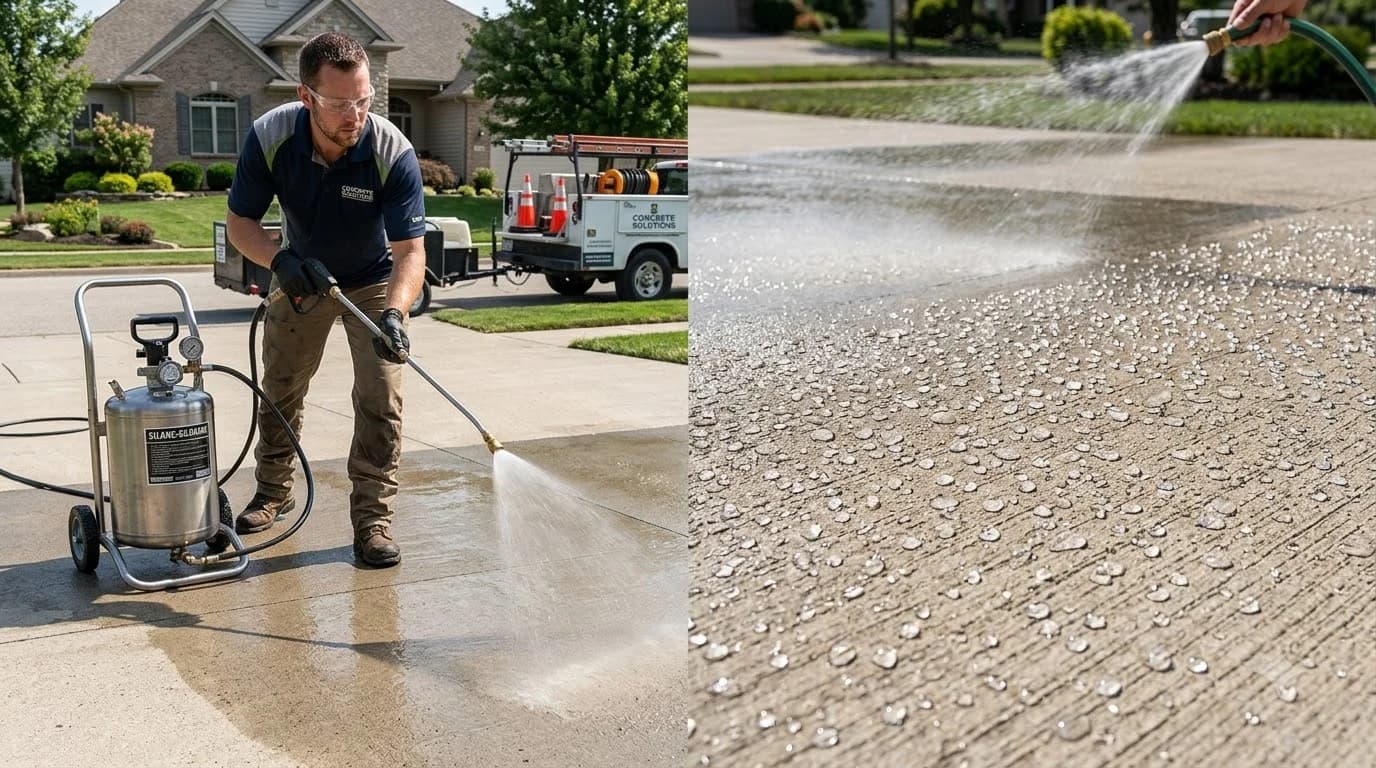
Concrete blocks hold moisture. Wait at least 48 hours of warm sunshine before painting to prevent locked-in damp bubbling.
Concrete blocks are highly porous. Roll on a thick block filler coat (yielding ~125 sq ft/gallon) to fill surface holes.
If spraying block filler, always run a thick nap roller (3/4" or 1") immediately behind the sprayer to push paint into cracks.
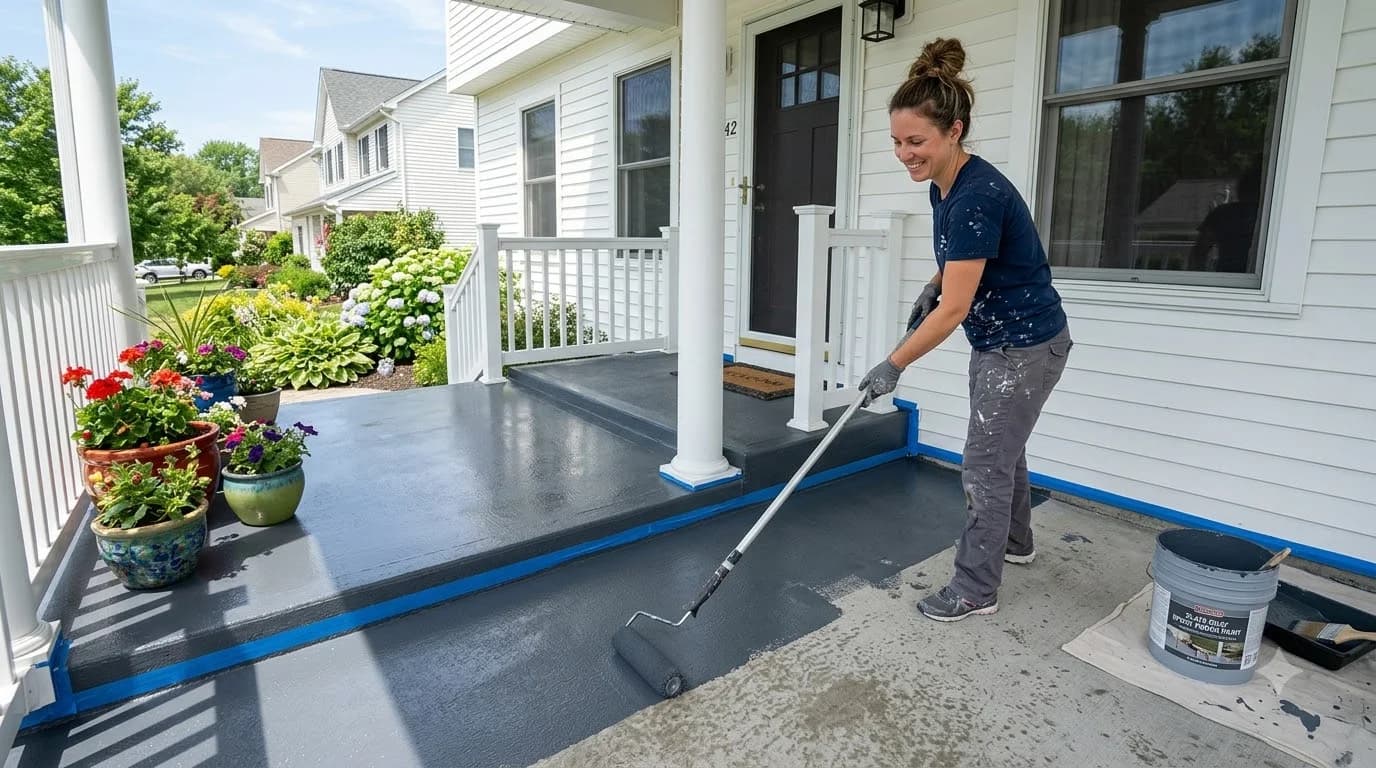
Apply 2 coats of top-tier elastomeric or 100% acrylic exterior latex finish paint to provide long-lasting UV barriers.
Keep a dry basement or retaining wall by checking gutters and slopes to ensure soil drains water away from blocks.
Masonry absorption varies greatly based on block texture and sealer condition:
Rough Split-Face Block
Smooth Standard CMU
Previously Sealed/Painted
| Masonry Surface Texture | Common Applications | Paint Coverage Yield per Gallon | Primer Specifications |
|---|---|---|---|
| Rough Split-Face Block | Split retaining panels, rugged borders, rustic designs | 100 sq ft per gallon (very high absorption) | Requires premium block filler coat |
| Smooth Standard CMU | Residential garage side, basement walls, privacy fences | 125-150 sq ft per gallon (average absorption) | Requires standard block filler coat |
| Previously Sealed/Painted | Repainting projects, pre-sealed masonry walls | 200-250 sq ft per gallon (low absorption) | Standard acrylic paint coat only |
Trapped Moisture Warning
Masonry acts as a moisture sponge. If you paint blocks before they are fully dry, sun heat vaporizes the internal dampness, ballooning and cracking your acrylic latex finish. Always confirm they are bone-dry!
Material estimates depend on the selected dimensions, product yields, and waste allowance.
Expert answers regarding masonry block filler, elastomeric acrylic finishes, and surface prep.
Illustrative takeoffs with stated assumptions; verify project quantities
Standard residential yard & garden wall run
Ready-mix yardage with 10% subgrade allowance
Editable block prices; add delivery and installation
Standard 8x8x16 nominal coverage benchmark
Specialized tools for foundation, core fill, and budgeting
Straight and multi-wall runs with mortar and waste allowances
Turnkey material costs, rebar, delivery and mason labor
Surface area converted into standard 8x8x16 block totals
Actual vs nominal dimensions and ASTM C90 specifications
Practical guides to block sizing, material estimates and project planning