Cinder Block Stucco Calculator
Estimate 80-lb pre-mixed stucco bags, masonry sand tonnage, and metal wire lath sheets for 3-coat Portland cement systems and below-grade foundation parging.
A standard 3-coat Portland cement stucco application on CMU walls requires about 12 eighty-pound mortar bags, 1.44 tons of sand, and 7 wire lath sheets per 100 sq ft at 7/8-inch thickness (with 10% waste). Direct parging requires 5 bags per 100 sq ft.
CinderCalc
CMU Stucco & Foundation Parge Material Takeoff
cinderblockscalculator.com • ASTM C926 / C847 Compliance
Date: 10/30/2026
System: 3-Coat Portland (7/8")
Waste Factor: 10% Buffer Included
1. Masonry Substrate & Coating Dimensions
| Gross Surface Area: | 500 sq ft | Openings Deducted: | 0 sq ft |
| Net Stucco Application Area: | 500 sq ft | ||
2. Material Takeoff Bill of Materials
| Material Item | Specification | Required Takeoff |
|---|---|---|
| Stucco / Type S Cement | 80-lb Pre-Mix Bags (ASTM C926 / C270) | 685 Bags (17 Pallets) |
| Plaster Sand | ASTM C897 Washed Masonry Sand | 22.92 Tons |
| Expanded Metal Lath | 2.5 lb/yd² Self-Furring (27" × 96") | 31 Sheets |
| Lath Fasteners | Corrosion-Resistant Concrete Pins | ~620 Fasteners |
3-Coat Stucco vs. Direct Parge Coating on CMU
Applying cement plaster to concrete masonry units requires selecting between two code-recognized assemblies based on climate exposure, substrate condition, and structural moisture risk:
3-Coat Portland Stucco
ASTM C926- Total Thickness: 7/8-inch (3/8" scratch + 3/8" brown + 1/8" finish).
- Substrate Isolation: Utilizes 2.5 or 3.4 lb/yd² expanded metal lath to decouple thermal shear stresses.
- Best For: Exterior building façades, freeze-thaw regions, and cracked or painted masonry.
Direct CMU Parge Coat
IRC R406.1- Total Thickness: 3/8-inch single troweled layer (or 1/4" tight skim).
- Bond Mechanism: Direct mechanical and chemical adhesion using acrylic polymer bonding agent.
- Best For: Crawl space stem walls, below-grade foundation dampproofing, and garden retaining walls.
Stucco & Parge Material Takeoff Quick Reference
Calculated at 7/8" (3-coat) and 3/8" (parge) nominal thicknesses with a 10% jobsite waste buffer:
| Wall Area (Sq Ft) | 3-Coat Bags (80-lb) | Plaster Sand (Tons) | Wire Lath (Sheets) | Parge Bags (80-lb) | Parge Sand (Tons) |
|---|---|---|---|---|---|
| 100 sq ft | 138 bags | 4.58 tons | 7 sheets | 138 bags | 4.58 tons |
| 250 sq ft | 343 bags | 11.46 tons | 16 sheets | 343 bags | 11.46 tons |
| 500 sq ft | 685 bags | 22.92 tons | 31 sheets | 685 bags | 22.92 tons |
| 750 sq ft | 1027 bags | 34.38 tons | 46 sheets | 1027 bags | 34.38 tons |
| 1000 sq ft | 1369 bags | 45.83 tons | 62 sheets | 1369 bags | 45.83 tons |
| 1500 sq ft | 2053 bags | 68.75 tons | 92 sheets | 2053 bags | 68.75 tons |
Code Mix Ratios: ASTM C926 & ASTM C270 Standards
When mixing plaster on site rather than buying pre-blended 80-lb stucco cement, contractors must follow strict volumetric proportions to ensure proper bond strength, vapor permeability, and crack resistance:
1 : 0.75 : 3.0 Ratio
1 part Portland cement (ASTM C150), 3/4 part Type S hydrated lime (ASTM C207), and 3 parts damp loose plaster sand (ASTM C897). Provides maximum keying bond into lath.
1 : 1.0 : 4.0 Ratio
1 part Portland cement, 1 part hydrated lime, and 4 parts plaster sand. Slightly leaner to balance strength and shrinkage as the base plane is straightened.
Type S or M Mortar
Type S high-flexural mortar (1,800 psi) mixed with acrylic latex bonding admixture. Resists lateral groundwater hydrostatic pressure beneath grade.
Wire Lath Installation & Fastening Rules (ASTM C1063)
Under ASTM C1063, expanded metal lath is mandatory when applying stucco over painted, slick, or moving CMU surfaces. Proper mechanical fastening prevents delamination:
Lath Grade: Use 2.5 lb/yd² or 3.4 lb/yd² self-furring diamond mesh galvanized lath (ASTM C847). The dimpled furring holds the wire 1/4-inch away from the wall so plaster completely embeds the metal.
Lap Guidelines: Minimum 1/2-inch side laps (long edges) and 1-inch end laps (short edges). Wire-tie or staple laps tightly so no loose sheets flap during troweling.
Fastener Pattern: Drive hardened masonry pins, powder-actuated concrete nails, or masonry screws with 1-1/4" washers every 16 inches horizontally and 7 inches vertically into solid CMU face shells.
Weep Screed: Install an approved foundation weep screed (ASTM C1063) a minimum of 4 inches above finished ground level or 2 inches above paved flatwork to allow trapped moisture to drain.
Step-by-Step Cinder Block Stucco Application
1Step 1: Clean & Condition the CMU Substrate
Pressure wash the concrete block to remove dust, mold, form-release agents, and efflorescence. If applying directly without lath, dampen the block with clean water until it reaches a Saturated Surface Dry (SSD) condition so the porous block does not prematurely suck water from the wet plaster.
2Step 2: Fasten Wire Lath & Corner Accessories
Install foundation weep screed at the base. Hang self-furring diamond mesh metal lath horizontally with the cups oriented upward. Fasten at 16-inch centers and install galvanized casing beads around window and door perimeters.
3Step 3: Apply the 3/8-Inch Scratch Coat
Trowel mortar firmly against the lath to embed the wire mesh completely. While still plastic, horizontally score the coat with a plasterer's scarifier or notched trowel. Moist-cure with a fine water spray twice daily for 48 hours.
4Step 4: Rod & Float the 3/8-Inch Brown Coat
Apply the brown coat over the dampened scratch coat. Use an aluminum screed rod between plaster grounds to establish a true, plumb, flat wall plane. Float with a wood or hard sponge float to densify the matrix. Moist cure for at least 48 hours.
5Step 5: Cure and Apply the 1/8-Inch Finish Coat
Allow the brown coat to cure and dry for at least 7 days to complete initial shrinkage. Apply a 1/8-inch acrylic or Portland cement decorative finish coat in your chosen texture (dash, sand, Spanish lace, or smooth trowel).
Worked Calculation Examples
Example 1: 500 Sq Ft 3-Coat Exterior Stucco
Input: 50 ft wall × 10 ft height = 500 sq ft net. System: 7/8" (0.0729 ft) 3-coat Portland stucco with 10% waste.
Volume: 500 × (0.875 / 12) × 1.10 = 40.10 cu ft wet mortar (1.49 yd³).
80-lb Bags: 40.10 cu ft ÷ 0.70 cu ft/bag = 58 bags (2 full pallets).
Masonry Sand: 58 bags × 0.12 tons = 6.96 tons.
Metal Wire Lath: 500 sq ft ÷ 16 sq ft/sheet = 32 sheets (27" × 96") + ~640 masonry fasteners.
Example 2: 300 Sq Ft Foundation Stem Wall Parge
Input: 100 LF crawl space stem wall × 3 ft height = 300 sq ft net. System: 3/8" (0.03125 ft) Type S mortar parge with 10% waste.
Volume: 300 × (0.375 / 12) × 1.10 = 10.31 cu ft wet mortar (0.38 yd³).
80-lb Bags: 10.31 cu ft ÷ 0.70 cu ft/bag = 15 bags.
Plaster Sand: 15 bags × 0.12 tons = 1.80 tons.
Bonding Agent: 300 sq ft ÷ 175 sq ft/gal = 2 gallons acrylic polymer bonding admixture.
Frequently Asked Questions: CMU Stucco & Parge
Authoritative answers on Portland plastering codes, lath schedules, and foundation waterproofing.
Material estimates depend on the selected dimensions, product yields, and waste allowance.
Popular Quick Estimates
Illustrative takeoffs with stated assumptions; verify project quantities
Block Filler Gallons
Illustrative coverage; use the selected coating label
Type S Mortar Bags
Example 30 blocks per 80-lb bag; check product yield
Crawlspace Stem Wall
Course-height example; footing design is site-specific
Cinder Blocks for a 10x10 Wall: Exact Count & Mortar Math
Standard residential yard & garden wall run
Related Calculators
Specialized tools for foundation, core fill, and budgeting
Straight and multi-wall runs with mortar and waste allowances
Type S and M bags, cubic feet and batching sand volume
Estimate stem-wall blocks using your specified dimensions
Primer, acrylic block filler and topcoat paint gallons
Blogs & Construction Guides
Practical guides to block sizing, material estimates and project planning
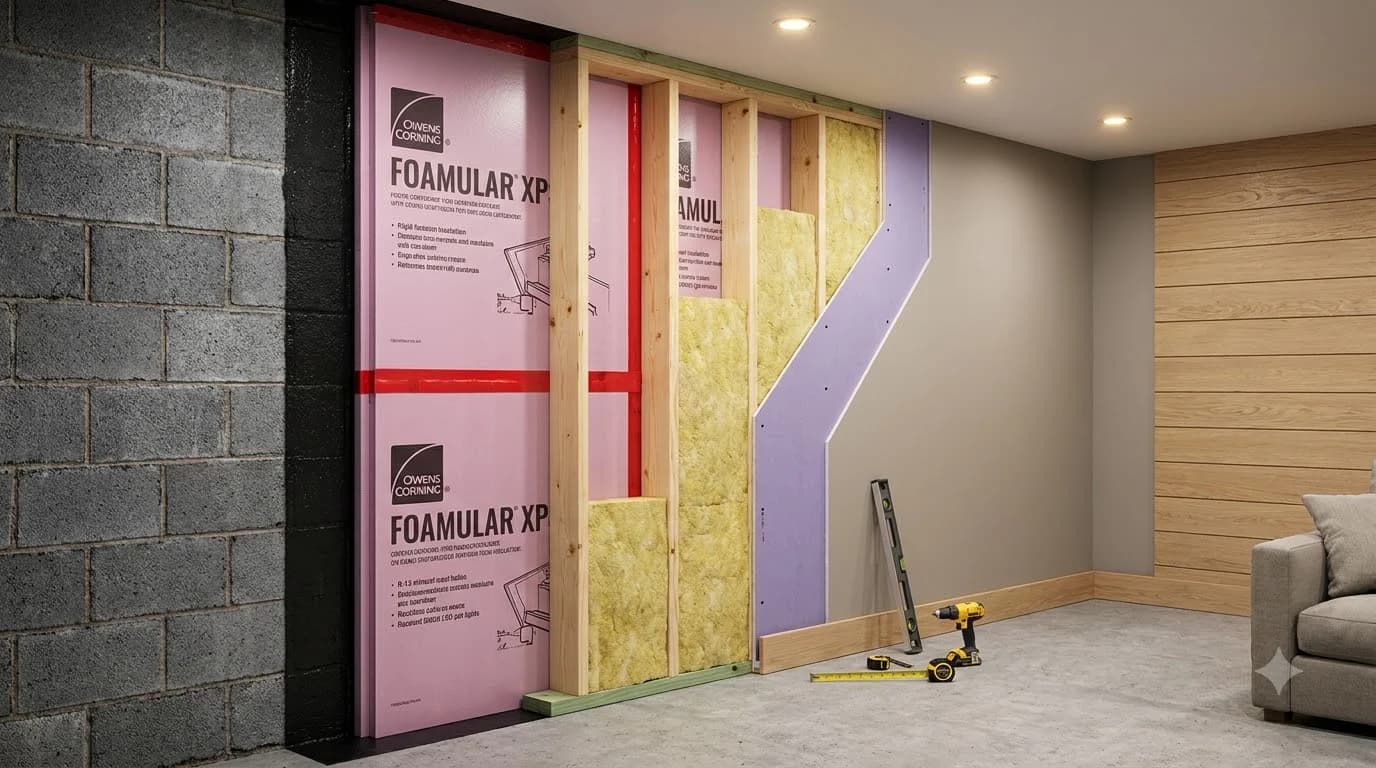
How to Cover Interior Cinder Block Walls (Top 5 Ways)
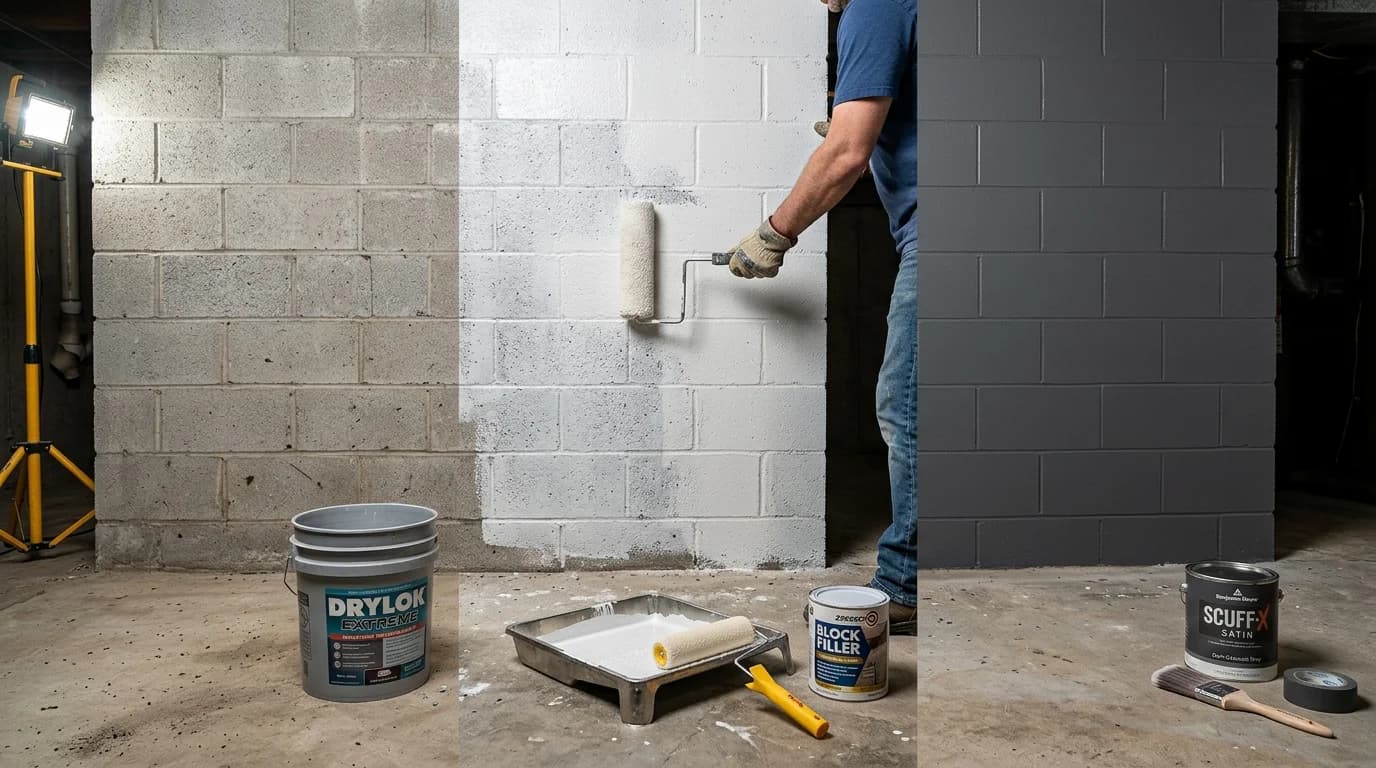
How to Paint Cinder Block Walls: Primer & Sealer Guide
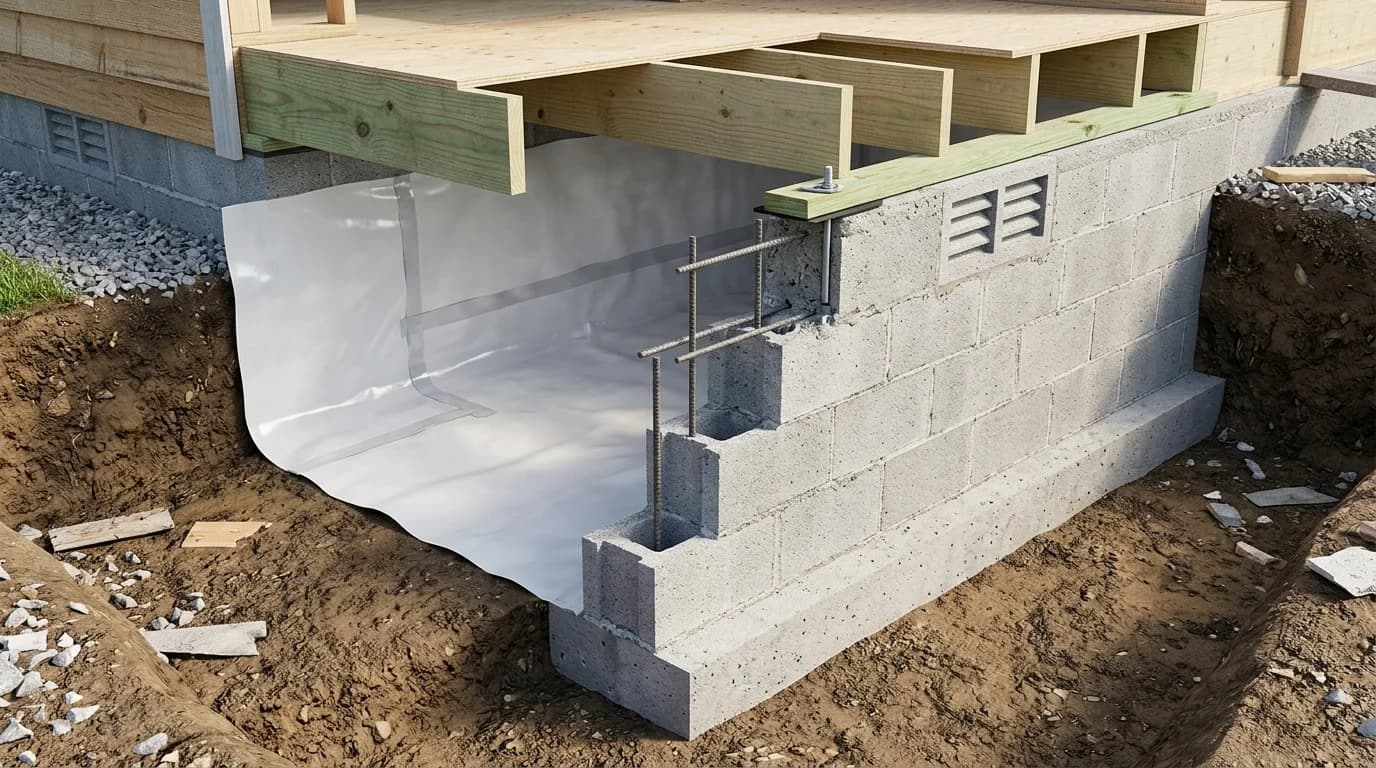
Cinder Block Foundations: Types, IRC Codes & Depth Guide