Retaining Wall Cost per Square Foot by Material Type (2026)
The total cost of a retaining wall is driven primarily by the wall material, total square footage of face area, site grading accessibility, and whether engineering certification is needed. Below is the 2026 pricing benchmark compiled from national contractor estimates and material suppliers:
| Retaining Wall Type | DIY Material Cost / Sq Ft | Installed Contractor Cost / Sq Ft | Typical Lifespan | Best Recommended Application |
|---|---|---|---|---|
| Segmental Concrete Blocks (SRW) | $12 – $22 | $25 – $55 | 50–100+ years | Curved garden terraces, driveway borders, slopes up to 8 ft |
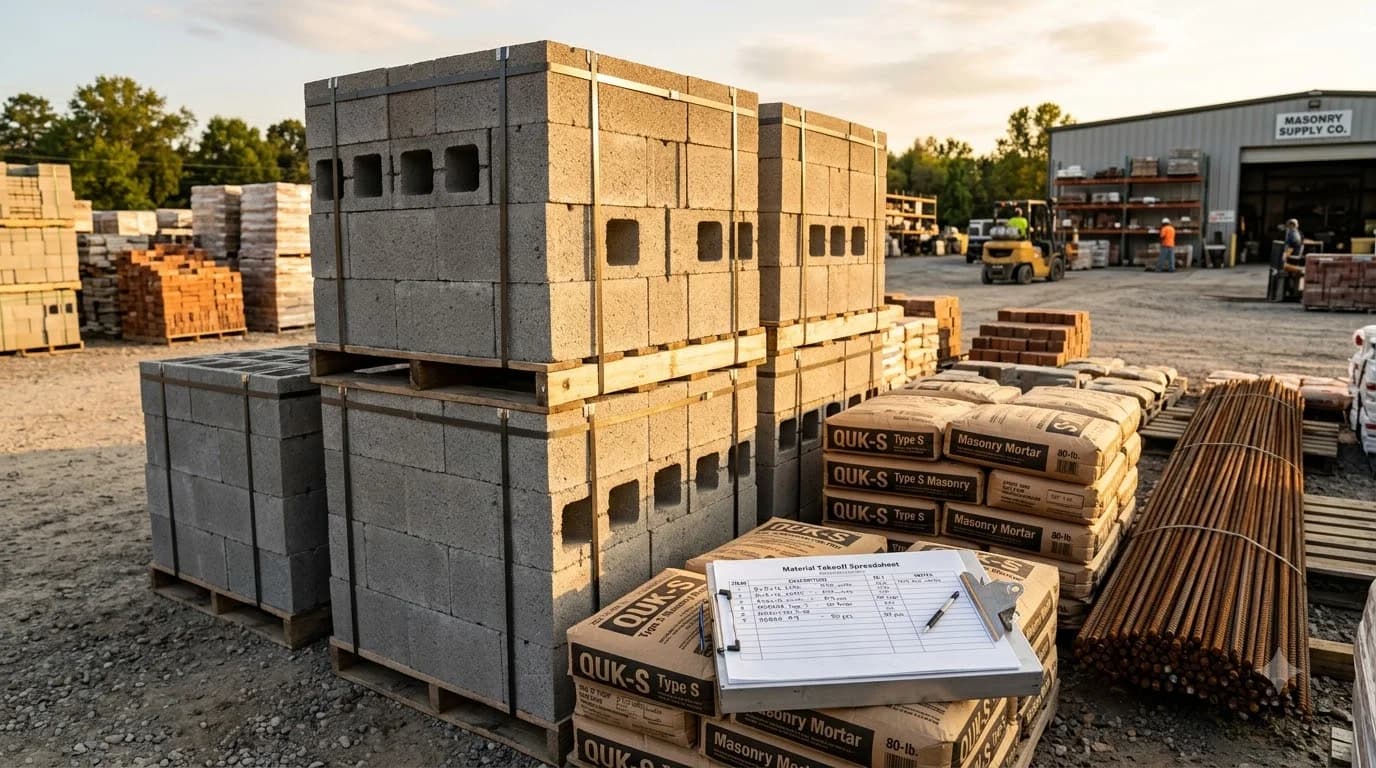
| Hollow Core CMU (Mortared & Grouted) | $8 – $16 | $28 – $65 | 75–100+ years | Straight foundation drops, property boundaries, stucco-faced walls |
| Poured Reinforced Concrete | $14 – $25 | $35 – $75 | 80+ years | Heavy structural basement cutouts, commercial parking retainers |
| Natural Stone / Boulder Benches | $16 – $35 | $40 – $95 | 100+ years | Rustic landscape architecture, aesthetic garden water features |
| Pressure-Treated Wood Timbers | $10 – $18 | $20 – $38 | 15–25 years | Temporary budget terracing under 3 feet height |
The 3 Critical Engineering Rules to Prevent Wall Blowouts
More than 80% of residential retaining wall failures result from trapped hydrostatic water pressure rather than inadequate block strength. When planning your retaining wall installation, observe these three structural rules:
1. 10% Depth Base Burial
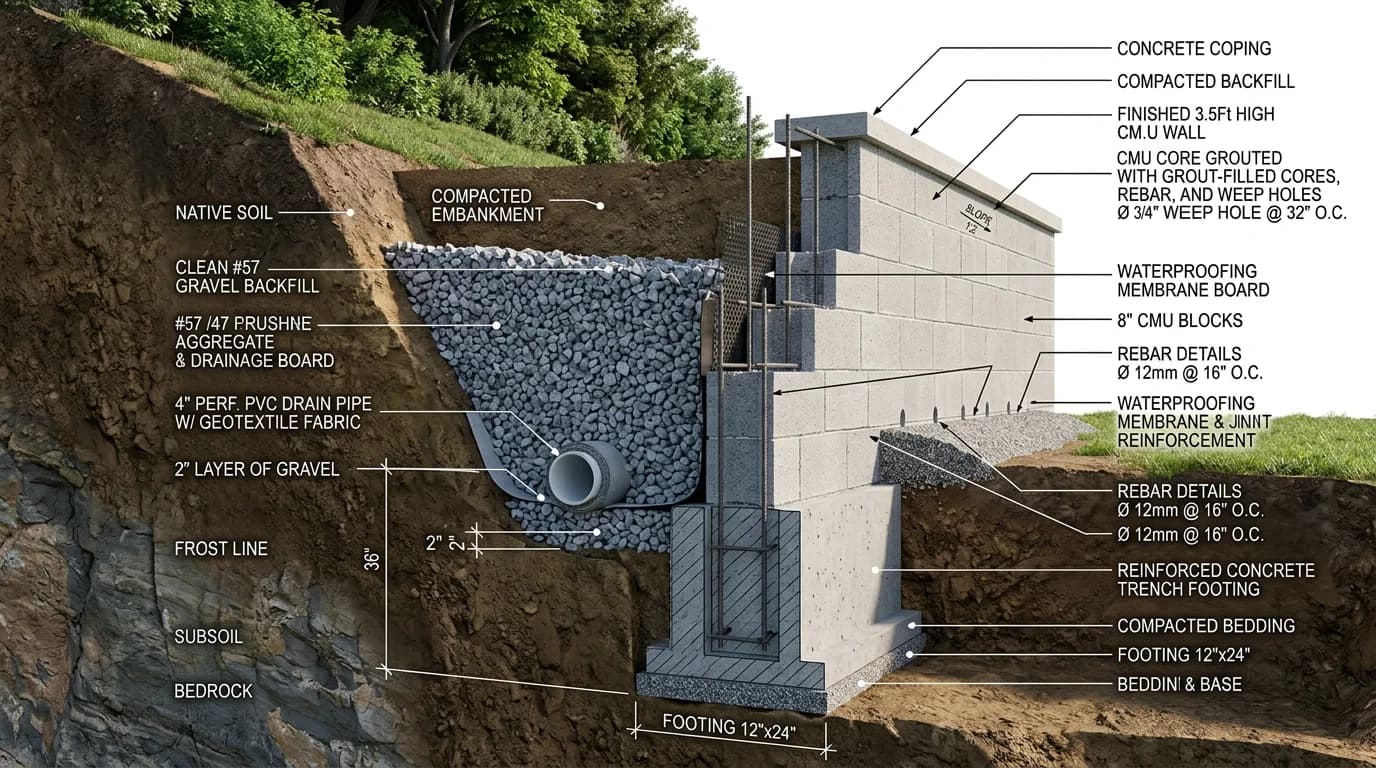
Always bury at least 10% of the total wall height below finished grade (or a minimum of 6 inches / one full course). For a 4-foot wall, excavate an 8-inch trench with 4 to 6 inches of compacted crushed gravel leveling base.
2. Clean Stone Drainage Chimney
Place at least 12 inches of angular, washed #57 stone immediately behind the wall face from the footing to 6 inches below top surface. Never backfill directly with native clay or topsoil.
3. Geogrid at 4+ Feet Height
Walls taller than 4 feet transform from simple gravity walls to reinforced soil structures. Unroll high-density polyester biaxial geogrid between courses, extending back into the slope at least 70% of wall height.
Line-Item Labor & Equipment Breakdown
When hiring a professional hardscape or masonry contractor, your bid proposal will typically itemize the following four phases:
- Trench Excavation & Grading ($8 – $15 / lin ft): Operating a mini-excavator to clear vegetation, establish proper subgrade pitch, and haul away surplus spoils.
- Compacted Aggregate Base ($6 – $12 / lin ft): Spreading 4" to 6" of ASTM D2940 crusher-run road base and compacting with a vibratory plate compactor to 95% Standard Proctor density.
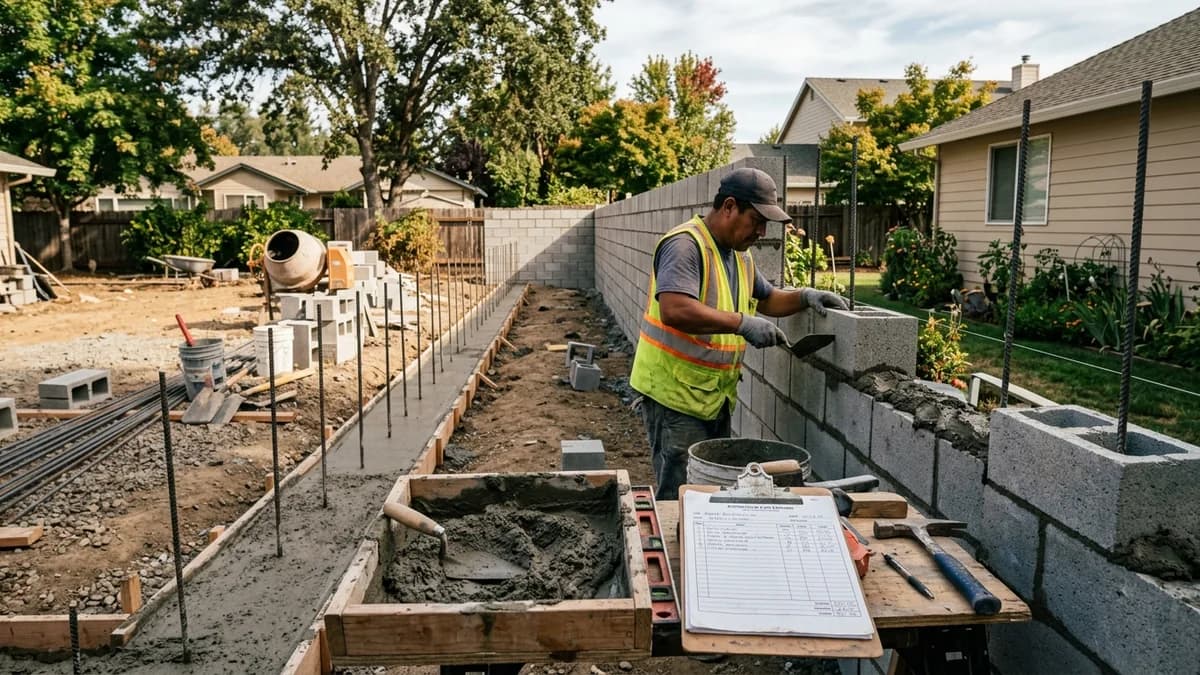
- Block Setting & Mortaring ($12 – $25 / sq ft): Setting the critical base course with a laser level, interlocking successive tiers, and cutting cap stones with a diamond wet saw.
- Drainage Pipe & Filter Fabric ($4 – $7 / lin ft): Laying 4-inch perforated corrugated or PVC SDR-35 pipe pitched to daylight or a dry well, wrapped in needle-punched non-woven geotextile fabric.
Explore Related Masonry Calculators & Guides
Formulas, modular dimensions, and material yields verified by the CinderCalc Technical Team
Frequently Asked Questions About Retaining Wall Costs
2026 real-world pricing averages, permit thresholds, and geogrid structural requirements.