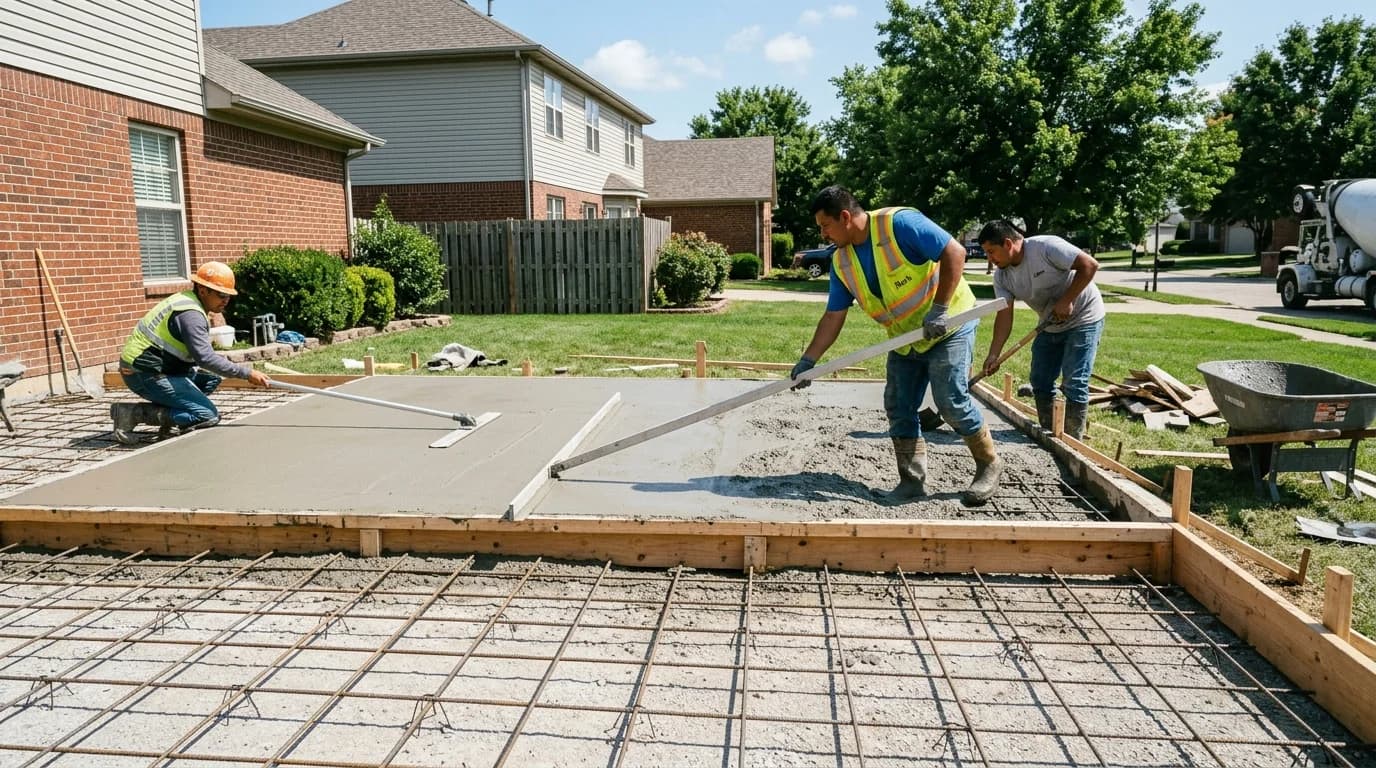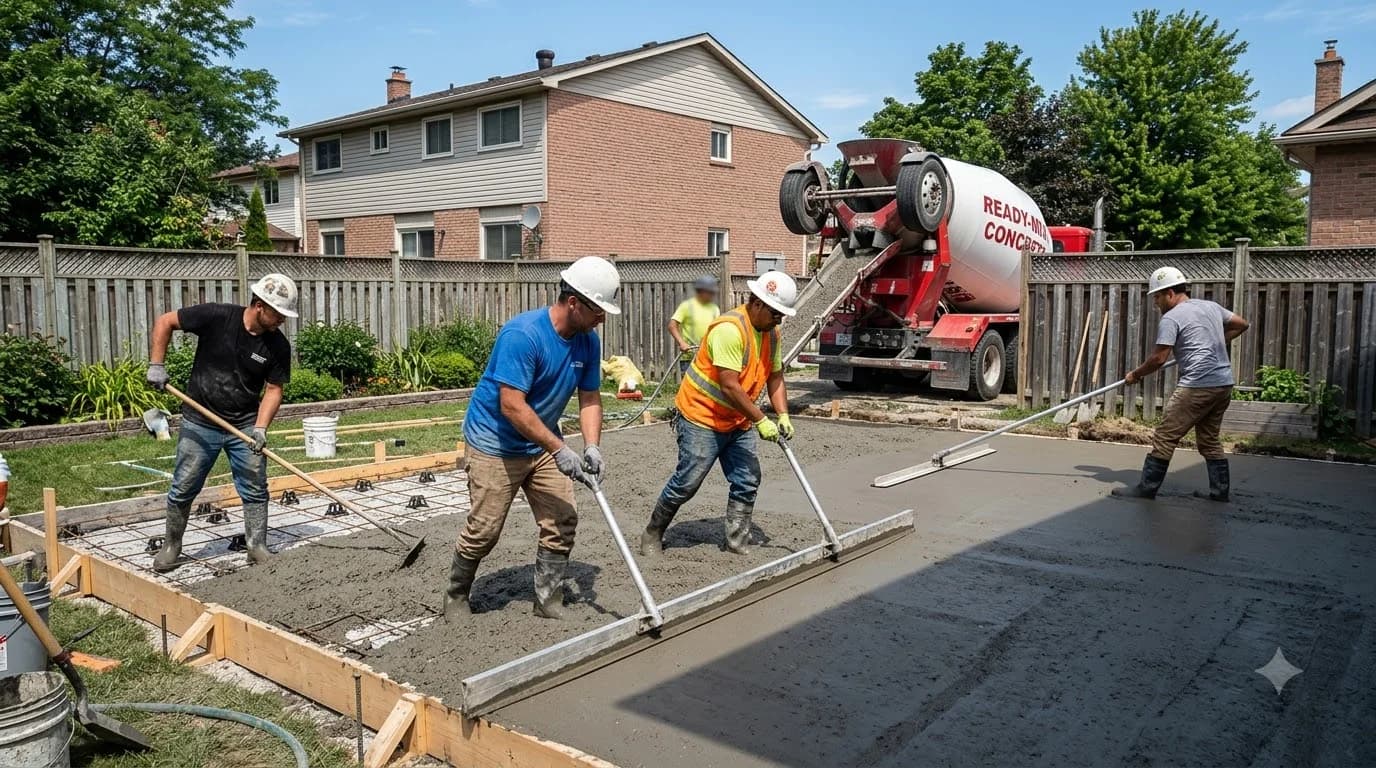
2026 Direct Answer: Average Cost to Pour a Concrete Slab
In 2026, homeowners pay an average of $8.75 per square foot for a professionally installed 4-inch concrete slab ($6.50 to $12.00/sq ft range). A standard 10x10 patio costs between $850 and $1,250, while a 20x20 two-car driveway or garage slab costs between $3,200 and $5,000. If you do all the labor yourself, materials alone cost between $3.50 and $5.25 per square foot.
1. Concrete Slab Cost Schedule by Dimensions (2026 Averages)
Review standard turnkey contractor pricing versus DIY materials-only budgets across popular slab sizes:
| Slab Dimensions | Total Area | Cubic Yards (4" w/ 10%) | DIY Materials Cost | Contractor Turnkey Installed | Common Application |
|---|---|---|---|---|---|
| 8' × 10' Small Pad | 80 sq ft | 1.1 yd³ (54 bags 80#) | $320 – $440 | $700 – $1,100 | Trash bin pad & generator slab |
| 10' × 10' Patio | 100 sq ft | 1.4 yd³ (68 bags 80#) | $380 – $520 | $850 – $1,300 | Small dining patio or grill pad |
| 12' × 16' Medium Patio | 192 sq ft | 2.6 yd³ (Ready-mix) | $750 – $1,050 | $1,600 – $2,400 | Standard backyard living space |
| 16' × 24' Large Patio | 384 sq ft | 5.2 yd³ (Ready-mix) | $1,450 – $2,000 | $3,100 – $4,600 | Pergola, hot tub & outdoor kitchen |
| 20' × 20' 2-Car Garage | 400 sq ft | 5.4 yd³ (Ready-mix) | $1,550 – $2,100 | $3,200 – $5,000 | Standard residential garage floor |
| 24' × 36' Shop Pad | 864 sq ft | 11.7 yd³ (2 truckloads) | $3,200 – $4,400 | $6,500 – $10,500 | Detached pole barn & workshop |
2. Line-Item Cost Breakdown per Square Foot (4-Inch Slab)
Every professional concrete estimate is composed of five distinct labor and material phases:
Skid-steer or mini-excavator digging 8 inches deep, sod removal, soil disposal fees, and laser level rough grading.
4 inches of crushed dense-grade aggregate (crusher run) compacted in 2-inch lifts using a heavy vibratory plate compactor.
2x4 lumber form boards, wooden stakes, duplex nails, and #4 (1/2-inch) steel rebar tied in an 18" grid on plastic chairs.
Commercial 3,500 to 4,000 PSI ready-mix truck delivery, environmental fees, fuel surcharges, and a 10% waste buffer.
3. Thickness Price Comparison: 4-Inch vs. 5-Inch vs. 6-Inch
One of the smartest investments on any residential driveway or shop pad is upgrading from 4 inches to 5 or 6 inches of concrete:
- 4-Inch Slab ($6.50 – $10.50 / sq ft): Code minimum for sidewalks, shed pads, and backyard patios. Supports pedestrians and light garden equipment.
- 5-Inch Slab ($7.75 – $12.00 / sq ft): Adds roughly $1.25/sq ft in material. Increases flexural load capacity by over 50%, preventing cracks under heavy SUVs and pickup trucks.
- 6-Inch Slab ($9.00 – $13.50 / sq ft): Adds roughly $2.25/sq ft. Provides 225% (over double) the load-bearing capacity of a 4-inch slab, engineered for motorhomes, dumpsters, and heavy farm equipment.
4. Costly Jobsite Pitfalls That Destroy Concrete Budgets
1. Concrete Pump Truck Rental ($600 – $1,000)
If ready-mix trucks cannot back up directly to your forms (due to narrow gates, soft lawns, or septic systems), wheelbarrowing 5 yards is virtually impossible with a small crew. Renting a concrete ground-line pump adds $600 to $1,000 to your bill.
2. Pouring Directly Over Raw Dirt
Skipping the 4-inch crushed gravel subbase to save $300 is the number one cause of cracked slabs. Earthen soil settles unevenly, leaving voids under the slab that cause corner breaks under vehicle loads.
3. Neglecting Rebar Elevation Chairs
Laying steel rebar directly on top of subbase gravel provides zero structural tensile strength. Workers walk on the steel during the pour, pushing it into the dirt. Rebar must be elevated into the middle third of the slab using 2-inch plastic chairs.
4. Omission of Contraction Control Joints
Concrete naturally shrinks as water hydrates. If you do not tool or saw-cut control joints every 8 to 10 feet (depth equal to 1/4 the slab thickness), random jagged shrinkage cracks will appear across the slab within 48 hours.
Calculate Slabs and Materials in Seconds
Enter your slab length, width, and thickness to calculate exact bags, truck yards, and turnkey 2026 pricing.
Frequently Asked Questions
How much does a 10x10 concrete slab cost in 2026?
A 10x10-foot (100 sq ft) concrete slab 4 inches thick costs between $850 and $1,300 fully installed by a licensed contractor ($8.50 to $13.00 per sq ft). If you excavate, build forms, and pour bagged mix yourself, total DIY materials cost roughly $380 to $520.
How much does a 20x20 two-car garage slab cost?
A 20x20-foot (400 sq ft) slab costs between $3,200 and $5,200 for a 4-inch patio or shed floor, or $4,200 to $6,800 for a 5-inch reinforced vehicular slab with thickened perimeter footings and rebar.
How much extra does a 6-inch slab cost compared to a 4-inch slab?
A 6-inch concrete slab uses 50% more concrete volume, but only increases total turnkey project cost by roughly 15% to 20% ($1.25 to $2.00 more per sq ft) because excavation, formwork labor, and finishing costs remain identical.
What is the cheapest finish for a concrete slab?
A standard textured broom finish is the most economical concrete finish ($2.00 to $3.50/sq ft labor). Smooth interior machine-troweling costs slightly more ($3.00 to $4.50/sq ft), while stamped or decorative acid-stained finishes cost $8.00 to $15.00/sq ft extra.
Do I need a building permit to pour a concrete patio slab?
Most US municipalities do not require a permit for grade-level detached concrete patios under 30 inches above surrounding ground. However, driveway extensions, structural building foundations, and slabs located within property setback lines standardly require zoning permits ($75 to $250).
Building Codes & Primary Standards Cited
International Residential Code - Concrete Floors on Ground
Prescribes 3.5-inch minimum slab thickness, base preparation, and vapor retarder requirements.
Guide to Design of Slabs-on-Ground
Authoritative American Concrete Institute manual on subgrade modulus, rebar grids, and joint spacing.
Standard Specification for Ready-Mixed Concrete
Defines batching uniformity, slump tolerances, and ready-mix delivery guidelines.
Estimations adhere to standard North American modular 3/8-inch mortar joint physics and 5% to 10% material waste factors. Local municipal building inspectors, stamped architectural blueprints, and local frost depth requirements supersede general reference guidelines.
Popular Quick Estimates
Pre-engineered takeoffs & benchmarks matched to this project
Related Calculators
Specialized tools for foundation, core fill, and budgeting
Turnkey material costs, rebar, delivery and mason labor
Cost per square foot, material prices and excavation budget
Installed cost per square foot and full budget forecast
Cubic yards, bags, and slab volume for flatwork and footings
Blogs & Construction Guides
Technical articles, IRC code standards, rebar schedules & freight logistics
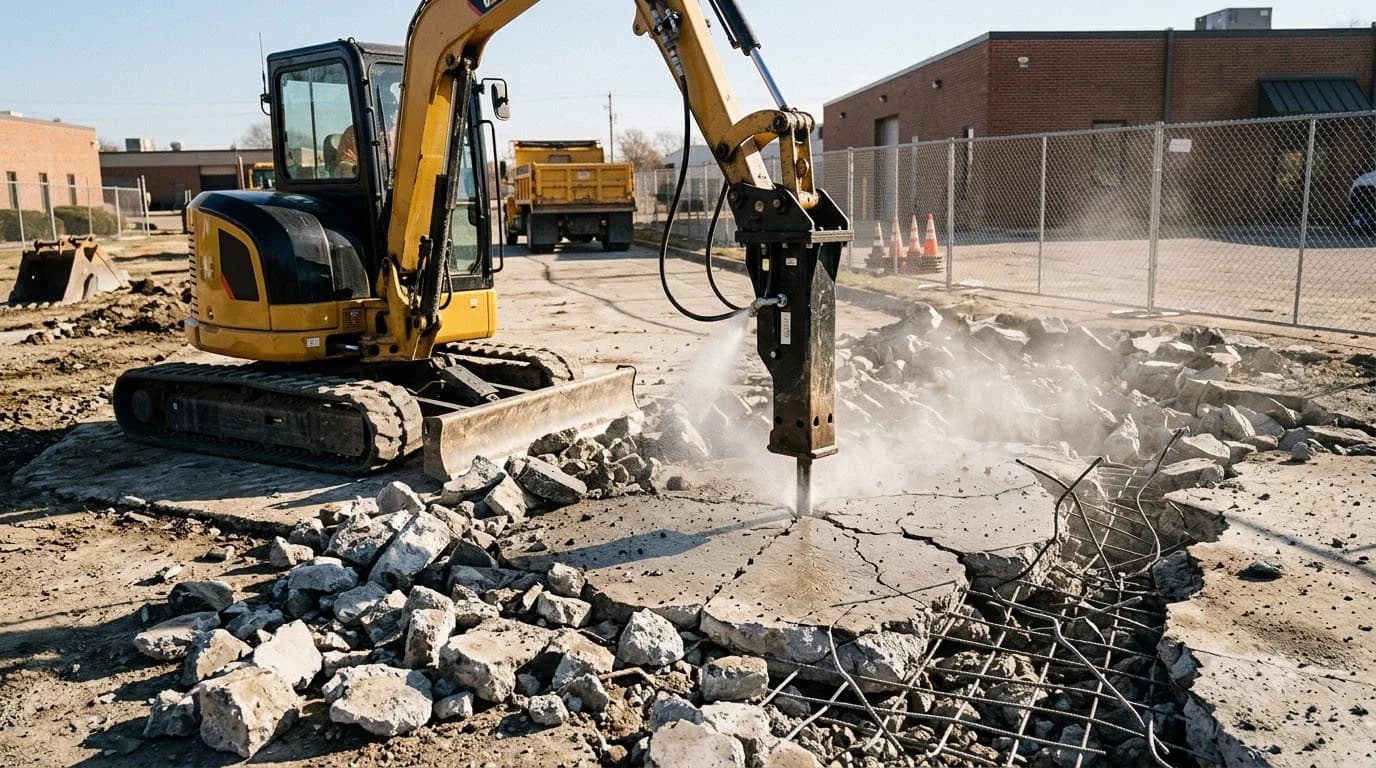
How Much Does Concrete Removal Cost? (2026 Price Guide)
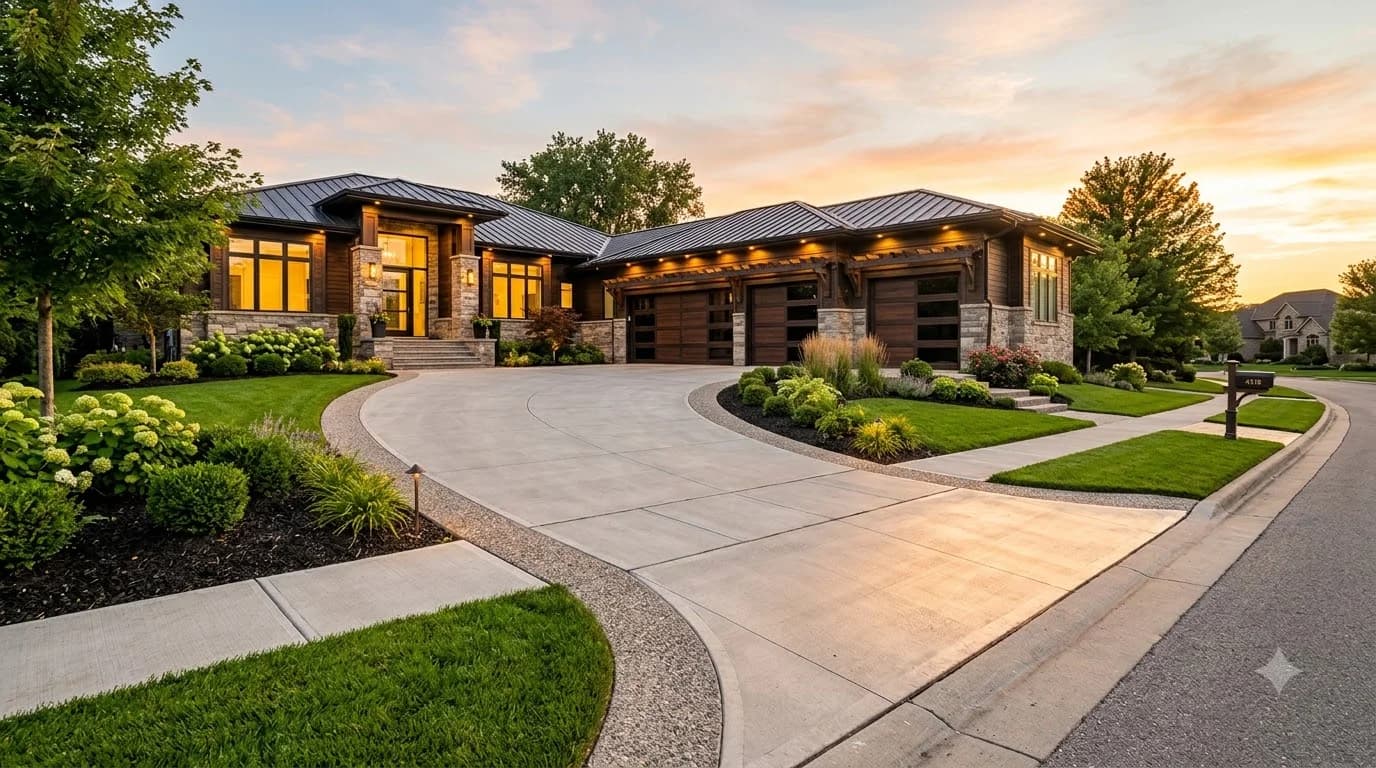
How Much Does a Concrete Driveway Cost? (2026 Guide)
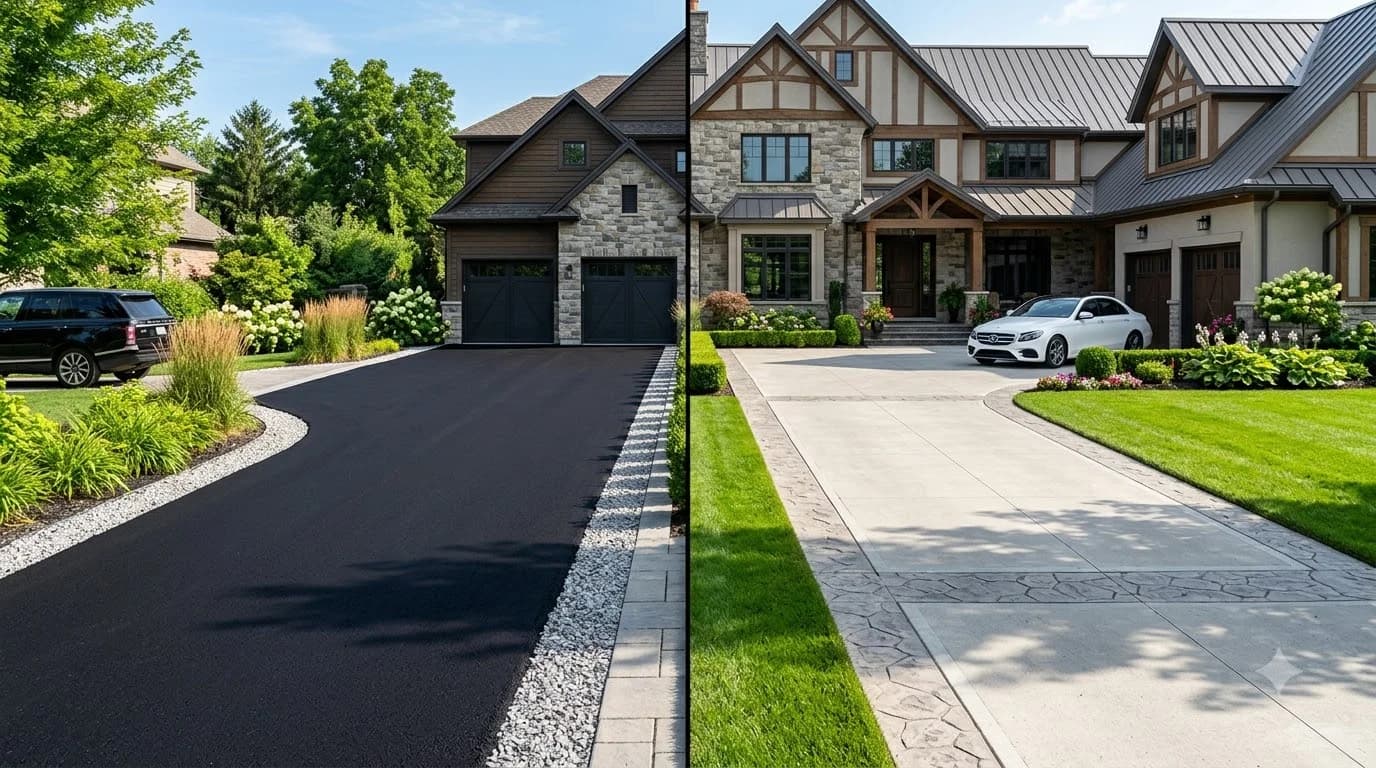
Asphalt vs Concrete: Cost, Lifespan & Driveway Guide