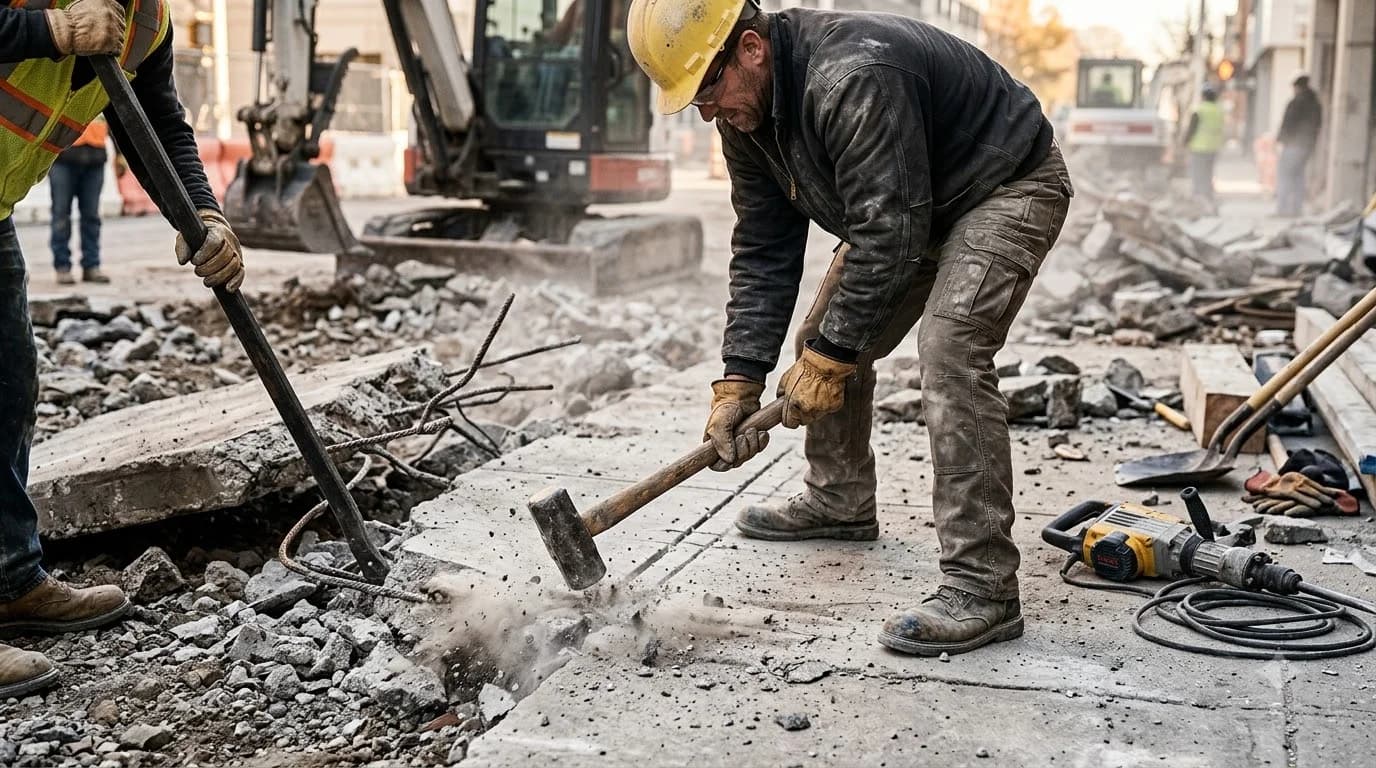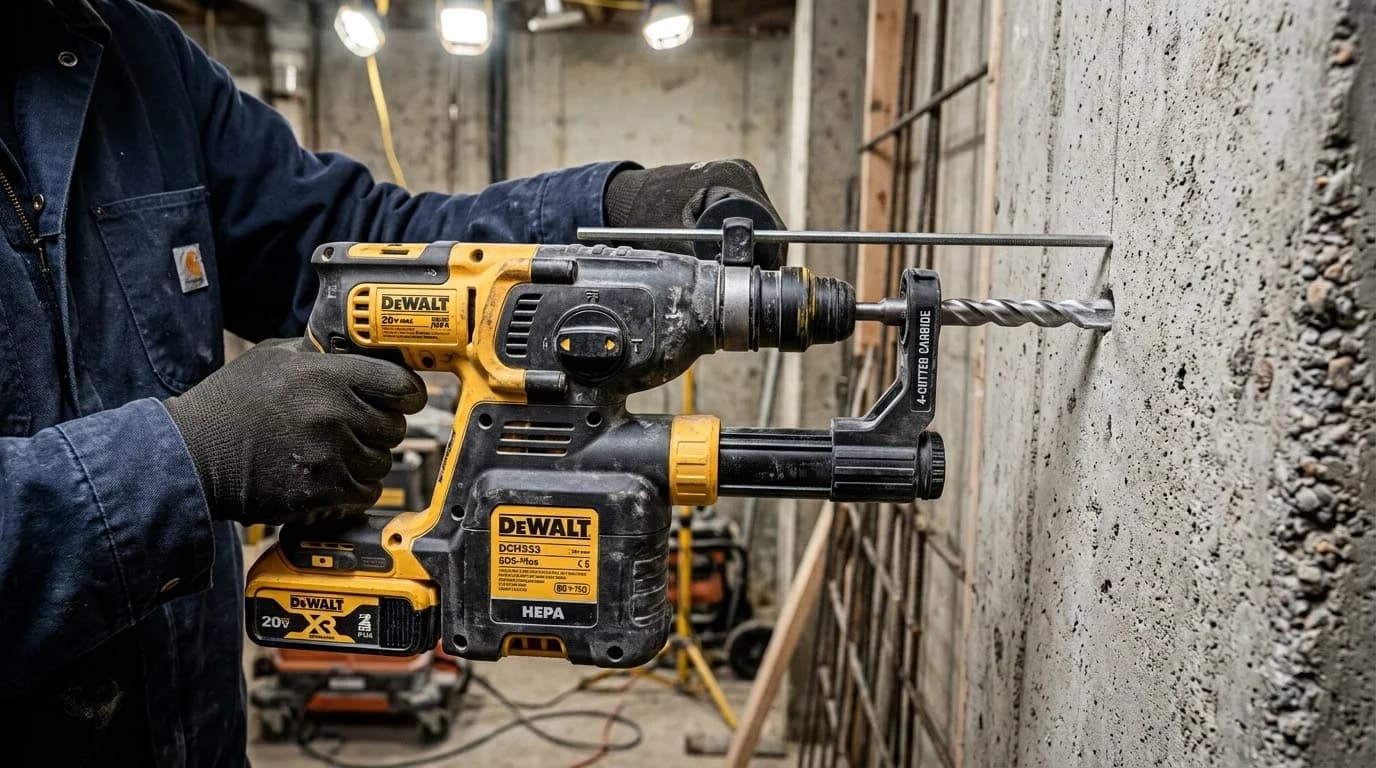
Never force a rotary-only drill into concrete. For holes up to 5/16-inch in mortar or soft block, a standard percussion hammer drill works. For 3/8-inch to 1-1/8-inch holes in 3,500+ PSI aggregate concrete, use an electro-pneumatic SDS-Plus rotary hammer running at moderate RPM (750–1,100 RPM) with firm, steady forward guidance. Let the tool hammer strike the rock, peck the bit every 10 seconds to evacuate crushed powder, and drill 1/2-inch deeper than your anchor embedment depth.
1. Tool Mechanics: Standard Drill vs. Hammer Drill vs. SDS Rotary Hammer
Concrete is not a uniform material; it is a matrix of hardened Portland cement paste binding together fine sand and dense, high-hardness mineral aggregates such as granite, river gravel, limestone, or quartz. Pure rotary motion simply scrapes the surface, generating friction temperatures exceeding 1,200°F that melt the copper brazing holding carbide cutter heads.
Pure rotation (0 BPM). Incapable of penetrating structural concrete. Using masonry bits in rotary-only mode glazes aggregate surfaces, creates vibration chatter, and destroys cutting flutes in seconds.
Uses two spinning toothed cam plates that ride over each other, creating 20,000 to 35,000 high-frequency micro-vibrations per minute. Effective for 3/16" to 1/4" Tapcon pilot holes in mortar or soft block, but requires intense operator pushing.
Employs a crankshaft-driven air piston that drives a flying striker directly against the tool anvil. Generates 1.5 to 4.0+ Joules of true kinetic impact energy at 4,000 BPM. Pulverizes 4,500 PSI concrete effortlessly with zero user fatigue.
2. Carbide Bit Metallurgy & Flute Architecture (ANSI B212.15)
Not all masonry bits are manufactured equally. The American National Standards Institute (ANSI B212.15) specifies precise outside diameter tolerances for carbide-tipped masonry drill bits. Using off-spec or worn non-ANSI drill bits yields oval or undersized holes, causing wedge anchors to bind prematurely or Tapcon screws to snap off flush with the slab.
Two-Cutter vs. Four-Cutter Heads: Entry-level SDS-Plus bits utilize a single chisel-style carbide tip (2-cutter). While fast in clean concrete, if a 2-cutter bit strikes steel rebar, it immediately binds, twists the operator's wrist, or shatters the tip. Professional 4-cutter (cross-head) solid carbide heads feature four distinct 90-degree cutting edges that grind past rebar collisions without jamming, producing a perfectly cylindrical hole.
Flute Evacuation Design: The spiral flutes on a rotary hammer bit do not cut; they act as an Archimedes screw to hoist pulverization dust out of the borehole. Quad-flute architectures isolate high-velocity dust channels, preventing aggregate dust from packing tightly around the shank and causing thermal binding.
3. Concrete Drill Bit Sizing & Fastener Compatibility Matrix
Refer to this contractor takeoff matrix to match required anchor loads, hole diameters, and exact bit specifications in 3,000 to 4,500 PSI concrete:
| Fastener / Anchor Type | Anchor Outer Diameter | Required Carbide Bit Spec | Optimal RPM / BPM Range | Min Embedment Depth | Working Load (4000 PSI) |
|---|---|---|---|---|---|
| Small Tapcon Concrete Screw | 3/16 in | 5/32 in Percussion / SDS | 900–1,200 RPM | 3,500 BPM | 1-1/4 in (Drill to 1-3/4 in) | 450 lbs shear / 350 lbs tension |
| Heavy-Duty Tapcon Screw | 1/4 in | 3/16 in Percussion / SDS | 800–1,100 RPM | 3,500 BPM | 1-1/2 in (Drill to 2-0 in) | 900 lbs shear / 650 lbs tension |
| Solid Zinc-Plated Wedge Anchor | 3/8 in | 3/8 in SDS-Plus (Exact) | 750–950 RPM | 4,000 BPM | 2-1/2 in (Drill to 3-0 in) | 2,400 lbs shear / 1,800 lbs tension |
| Structural Wedge Anchor | 1/2 in | 1/2 in SDS-Plus 4-Cutter | 650–850 RPM | 4,200 BPM | 3-1/2 in (Drill to 4-0 in) | 4,200 lbs shear / 3,100 lbs tension |
| Hollow Block Sleeve Anchor | 3/8 in | 3/8 in SDS (Rotary preferred) | 700–900 RPM | Rotary Only | 1-1/4 in Face Shell depth | 1,100 lbs shear / 750 lbs tension |
| Heavy Drop-In Machine Anchor | 1/2 in Thread (5/8 in OD) | 5/8 in SDS-Plus 4-Cutter | 550–750 RPM | 4,000 BPM | 2-0 in (Drill to 2-1/2 in) | 5,100 lbs shear / 3,900 lbs tension |
4. Step-by-Step Drilling Protocol: Speed, Feed, and Pecking
Achieving clean, perfectly perpendicular holes without bit breakage requires a disciplined step-by-step procedure:
- Spot Marking & Center Dimple: Never place a carbide tip on smooth concrete and pull the trigger at full speed; the bit will skate across the slab. Use a hardened steel center punch or tap a masonry nail with a hammer to create a 1/16" dimple.
- Start in Rotary-Only Mode: Position the drill bit perpendicular (90 degrees) into the dimple. Squeeze the trigger at low speed (200–300 RPM) for 3 to 5 seconds to establish an anchor collar before engaging percussion.
- Moderate Forward Pressure: Switch the tool to hammer mode. Apply firm, steady forward pressure (roughly 15 to 25 lbs of push force). Do not lean your entire body weight into an SDS rotary hammer; pneumatic pistons operate with an internal air spring that requires back-and-forth stroke travel. Excessive force dampens the piston stroke and slows penetration.
- Execute the "Peck Drilling" Technique: Every 10 to 15 seconds, draw the bit partially out of the hole while keeping the motor running. This ejects compacted rock dust trapped in the flutes, cooling the carbide tip and preventing flute jamming.
- Hole Cleaning (Vacuum & Blowout): Fasteners fail when torqued into loose silica dust. Insert a wire brush, twist vigorously, and blow out the hole using compressed air or an OSHA-compliant HEPA vacuum nozzle.
5. Structural Obstacles: Embedded Rebar & Hollow CMU Cells
Jobsite conditions frequently present concealed obstacles within masonry assemblies:
Striking Reinforcing Steel Rebar: When drilling into structural foundation walls or grade beams, sudden stalling accompanied by high-pitched screeching and bright metallic shavings indicates you have struck #4 or #5 reinforcing rebar. Stop immediately. Never pound a standard 2-cutter SDS bit against rebar. Switch to an SDS rebar-cutter bit running in rotary-only mode (hammer mode shatters rebar-cutter teeth) to core cleanly through the steel bar, then re-insert your masonry bit to finish the concrete.
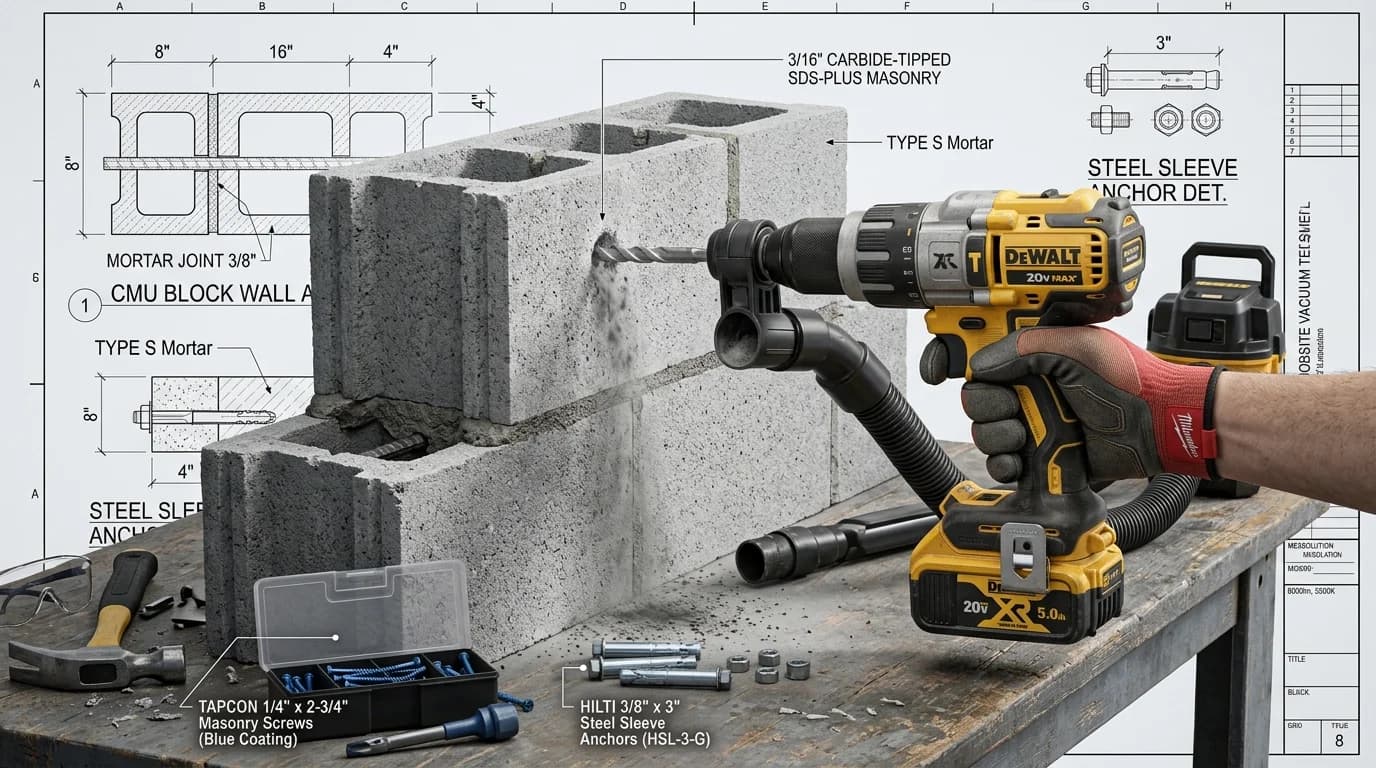
Drilling Hollow Cinder Block (CMU): Cinder block face shells are only 1-1/4 inches thick. Using heavy rotary hammer percussion against hollow CMU can blow out the backside of the face shell, leaving an enormous conical void that renders mechanical expansion anchors completely useless. Turn off hammer mode or use a lightweight drill when fastening into hollow block webs.
6. OSHA 1926.1153 Silica Dust Regulations: Dry vs. Wet Drilling
Concrete pulverization produces respirable crystalline silica (quartz dust particles smaller than 5 microns). Inhaling crystalline silica leads to silicosis, lung cancer, and irreversible pulmonary disease. OSHA standard 29 CFR 1926.1153 mandates that contractors control silica exposure using engineering controls under Table 1:
- HEPA Shrouded Dust Extractors: For indoor or repetitive commercial drilling, use a commercial vacuum producing at least 25 CFM per inch of bit diameter, equipped with a cyclonic pre-separator and a certified 99.97% HEPA filter with reverse-pulse automatic filter cleaning.
- Hollow Drill Bits (Internal Extraction): Modern SDS-Plus suction bits feature hollow flutes with intake ports right behind the carbide tip, pulling dust out directly at the point of impact before it enters the air.
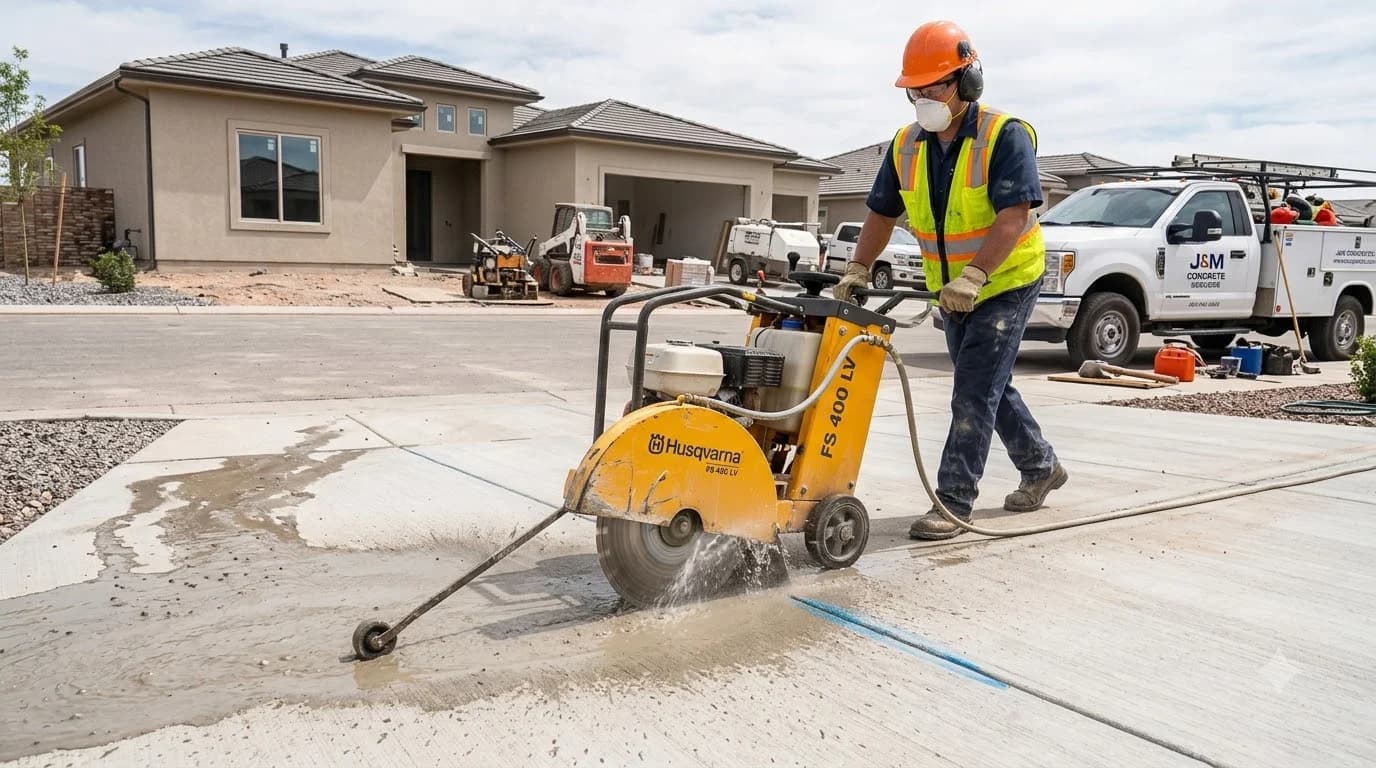
- Wet Drilling Containment: When core drilling holes 1-1/2 inches or larger, continuous water injection lubricates diamond segments and traps 100% of silica into slurry. Always connect power through an inline GFCI breaker to eliminate shock hazards.
7. Five Costly Concrete Drilling Mistakes to Avoid
Leaning full body weight against an SDS rotary hammer compresses the internal cushion spring, reducing piston velocity and causing the motor to bog down. Steady 20 lb pressure yields the fastest drilling rates.
Fasteners pack remaining dust into the bottom 1/4" of the hole. If your hole is drilled to the exact anchor length, the anchor bottoms out early, leaving the fastener head standing proud and destroying threads upon removal.
Spinning a carbide tip at 2,500+ RPM generates extreme surface friction against flint aggregates, melting brazing alloy within 45 seconds. Keep drilling speeds between 750 and 1,100 RPM.
Percussion hammering generates severe lateral radial tension. Drilling within 5 bolt diameters of an unsupported slab edge or CMU corner frequently blows off large concrete spalls. Maintain a minimum 3-inch edge setback.
Never blow into an open drilled hole with your mouth. The trapped silica dust will shoot directly into your eyes and respiratory tract. Always use an extended squeeze bulb or vacuum shroud with safety goggles.
Planning a Masonry or Foundation Build?
Calculate blocks, mortar bags, core fill grout, and 2026 material costs instantly.
Frequently Asked Questions
Why is my drill not going into the concrete?
Your drill bit stalls for three common reasons: (1) you are using a standard rotary drill without hammer action against hard quartz or granite aggregate; (2) you hit embedded steel rebar, which requires a specialized four-cutter SDS bit or dedicated rebar-cutter; or (3) you ran the drill at excessive RPM, overheating and dulling the brazed tungsten-carbide tip.
What is the difference between a hammer drill and an SDS rotary hammer?
A standard hammer drill uses mechanical cam plates vibrating at 20,000 to 35,000 BPM with minimal impact force (less than 0.3 Joules), requiring heavy user muscle. An SDS rotary hammer uses an electro-pneumatic piston striking the bit directly with 1.5 to 4.0+ Joules of hard impact energy, pulverizing 4,000 PSI concrete rapidly without operator strain.
Can you drill concrete with a regular hand drill and a masonry bit?
You can drill small holes (under 3/16 inch) into soft brick or weak mortar with a standard rotary drill, but attempting to drill into 3,000 to 5,000 PSI structural concrete will overheat the carbide bit within 30 seconds, melting the copper braze and ruining the bit without penetrating past 1/4 inch.
How deep should a concrete anchor hole be drilled?
Always drill the hole at least 1/4 inch to 1/2 inch deeper than the intended anchor embedment depth. This relief chamber accommodates packed pulverized rock dust that cannot be sucked out, preventing mechanical anchors or Tapcon screws from bottoming out prematurely and stripping.
How do you comply with OSHA silica dust rules when drilling concrete?
Under OSHA 29 CFR 1926.1153 Table 1, commercial drilling into concrete requires either an integrated tool shroud connected to a HEPA dust extractor (producing at least 25 CFM per inch of bit diameter with 99.97% filter efficiency and a filter-cleaning mechanism) or an approved wet-suppression spray system.
Building Codes & Primary Standards Cited
Respirable Crystalline Silica in Construction (Table 1)
Mandates dust collection systems with 99.97% HEPA filter efficiency for rotary hammer operations.
Carbide-Tipped Masonry Drills and Rotary Hammer Drills
Defines strict diameter and shank tolerances required to guarantee post-installed anchor pullout loads.
Standard Test Methods for Strength of Anchors in Concrete Elements
Specifies test procedures to measure tensile pullout and shear failure loads in cured structural concrete.
Estimations adhere to standard North American modular 3/8-inch mortar joint physics and 5% to 10% material waste factors. Local municipal building inspectors, stamped architectural blueprints, and local frost depth requirements supersede general reference guidelines.
Popular Quick Estimates
Pre-engineered takeoffs & benchmarks matched to this project
Related Calculators
Specialized tools for foundation, core fill, and budgeting
Heavyweight structural blocks and bond beam units
Cubic yards, bags, and slab volume for flatwork and footings
Core grout volume in cubic yards and 80-lb pre-mix bags
Cell fill requirements for low-lift and high-lift grouting
Blogs & Construction Guides
Technical articles, IRC code standards, rebar schedules & freight logistics
How to Drill into Cinder Block & Fasten Heavy Anchors
How to Cut Concrete Slabs: Circular Saw & Diamond Blades
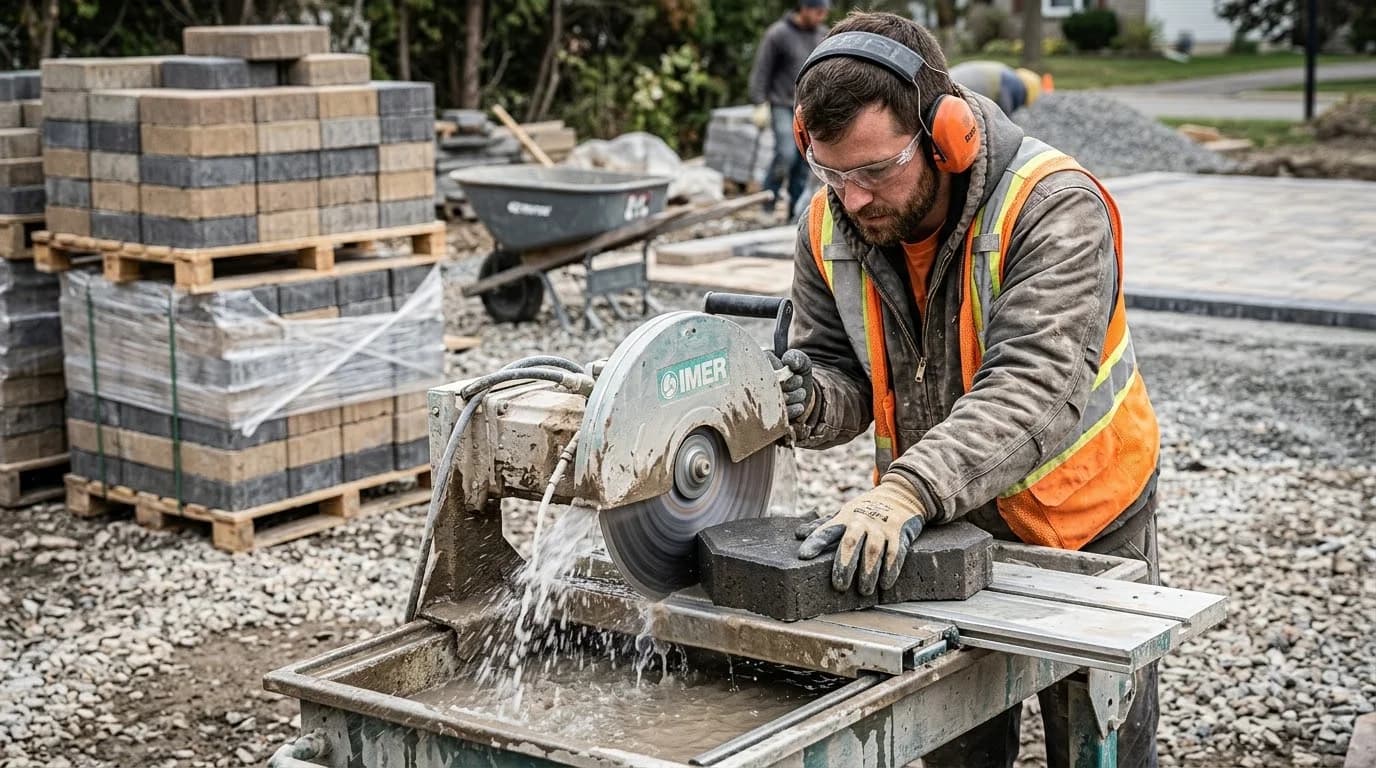
How to Cut Concrete Pavers: Angle Grinder & Splitters