Room & Addition Estimator

Room Cinder Block
Calculator

Plan and estimate blocks, mortar, rebar, and footer concrete for room additions, detached guest houses, or bedroom builds.

Room Estimation Results

Enter dimensions to calculate room addition blocks

Room Builder Tip

Calculations deduct wall space for window/door openings. Grouting and steel estimates assume standard rebar cells filled every 32 inches.

Room Configuration Quick Reference

Detached Office (4 walls)

Dimensions:10' × 10'Wall Height:8 ftEst. Blocks:~320 pcsEst. Footing:~1.0 yd³

3-Wall Room Addition

Dimensions:12' × 12'Wall Height:8 ftEst. Blocks:~290 pcsEst. Footing:~0.9 yd³

2-Wall Corner Addition

Dimensions:14' × 14'Wall Height:8 ftEst. Blocks:~275 pcsEst. Footing:~0.7 yd³

Detached Guest House (4 walls)

Dimensions:16' × 20'Wall Height:9 ftEst. Blocks:~660 pcsEst. Footing:~1.8 yd³

How to Calculate Room Addition Blocks

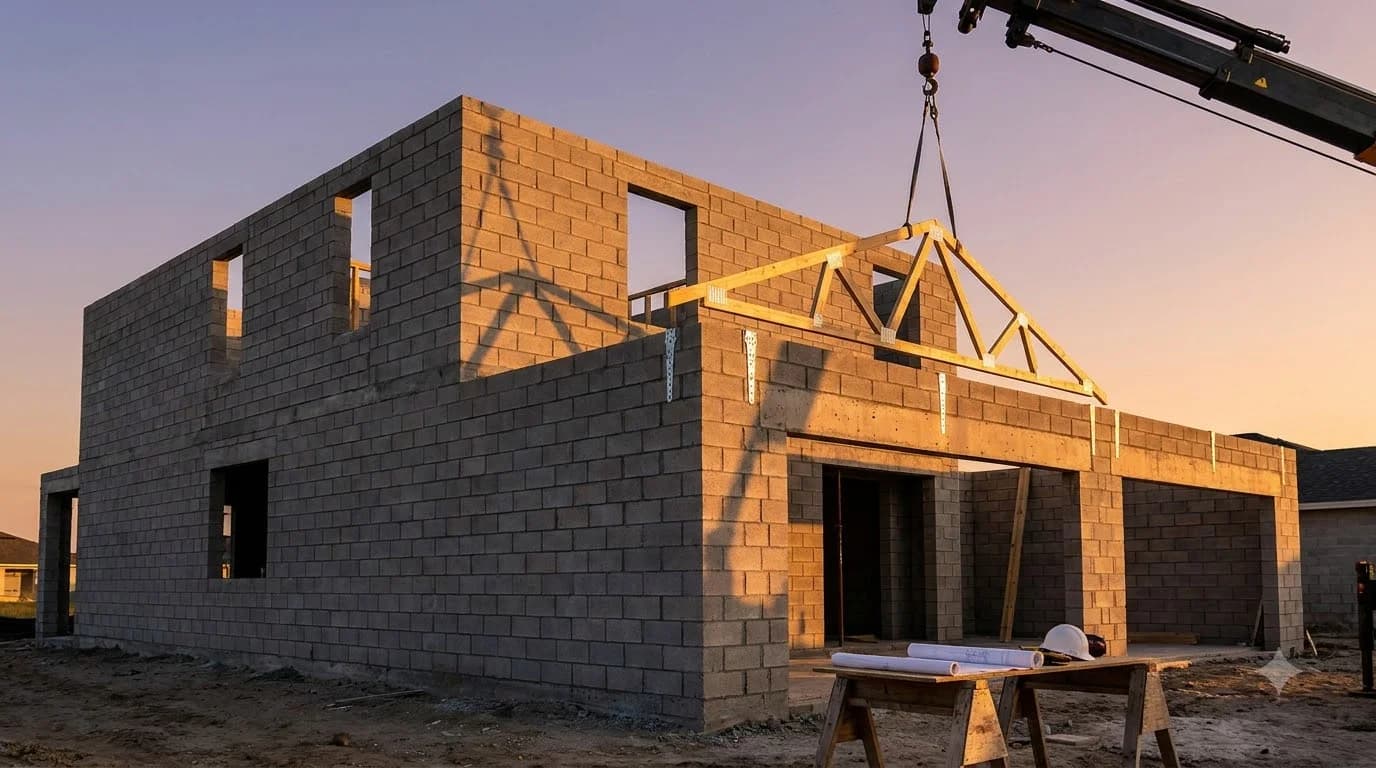
When extending an existing structure, the block count is significantly lower than a freestanding building because you can utilize existing house walls. Our calculator helps you account for this with precise wall setups:
1

Cinder Block Room Calculator (2026)

Select 1 shared wall for a standard side addition, or 2 shared walls for a corner room addition. Select 0 for standalone rooms.

2

Cinder Block Room Calculator (2026)

Only calculate the length of the new walls. A 3-wall addition of 12' × 12' requires 36 linear feet of wall structure.

3

Cinder Block Room Calculator (2026)

List all standard walk-in entry doors, closet bifold doors, and windows. Subtract their area from the gross area.

4

Cinder Block Room Calculator (2026)

Multiply new wall length by height, subtract openings, divide by 0.89 to get blocks, and add a standard 10% waste buffer.

5

Cinder Block Room Calculator (2026)

Allow for structural wall ties or dowels to connect the new block walls to your existing brick or concrete structure securely.

6

Cinder Block Room Calculator (2026)

Pour concrete footing only under the newly built walls. Our tool computes the exact footing yardage needed.

Professional Addition Best Practices

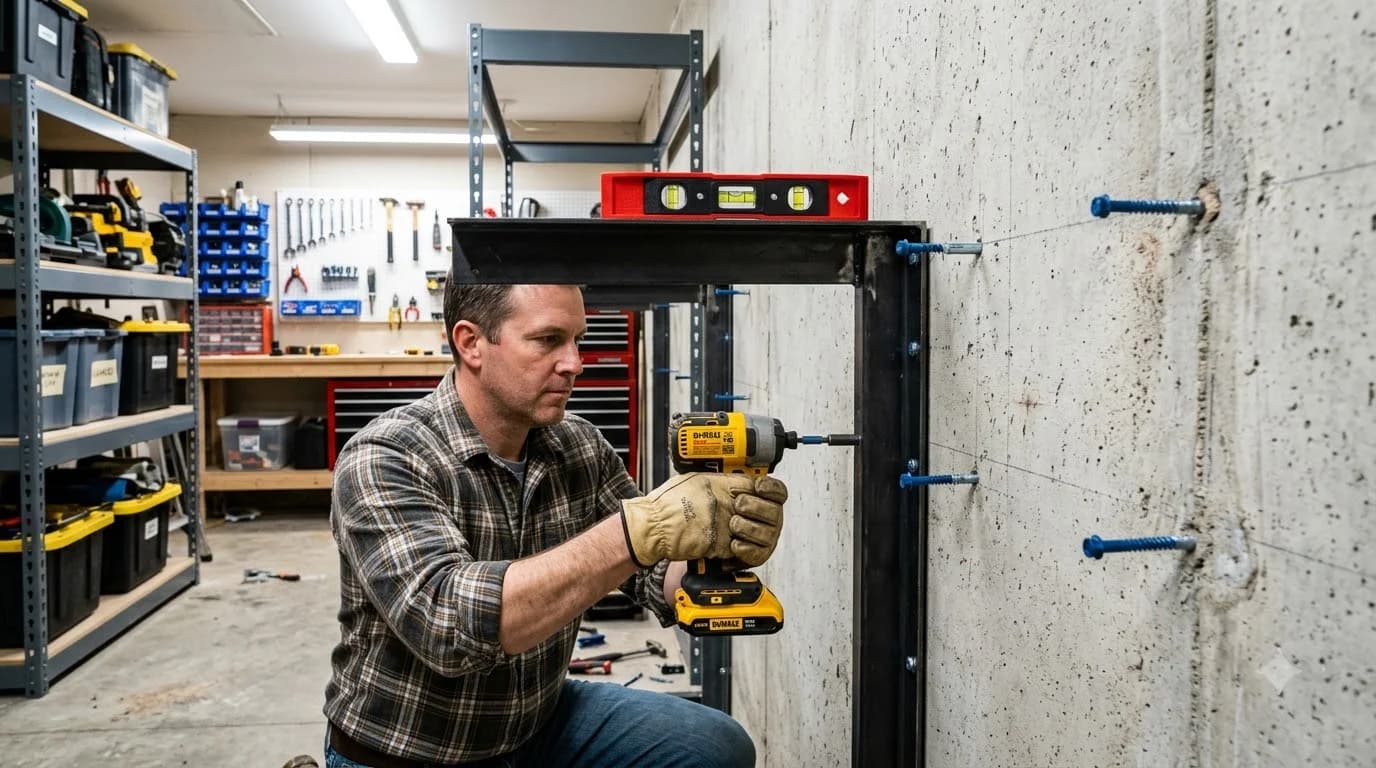
  • Doweling: Drill and epoxy horizontal #4 rebar pins into the existing home foundation and walls every 16 inches to bond the new room addition.
  • Settlement Joints: Use expansion joints at the intersection of old and new walls to prevent cracking from minor settling.
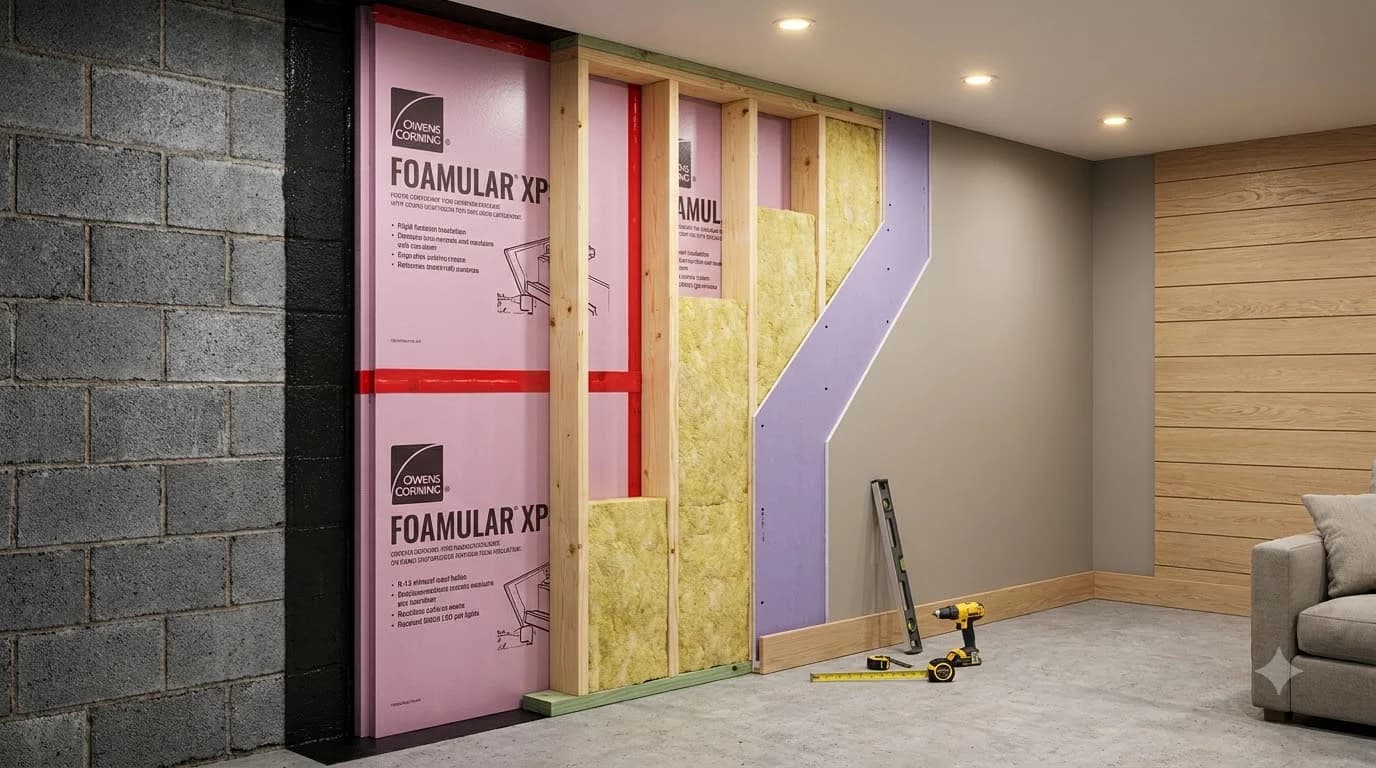
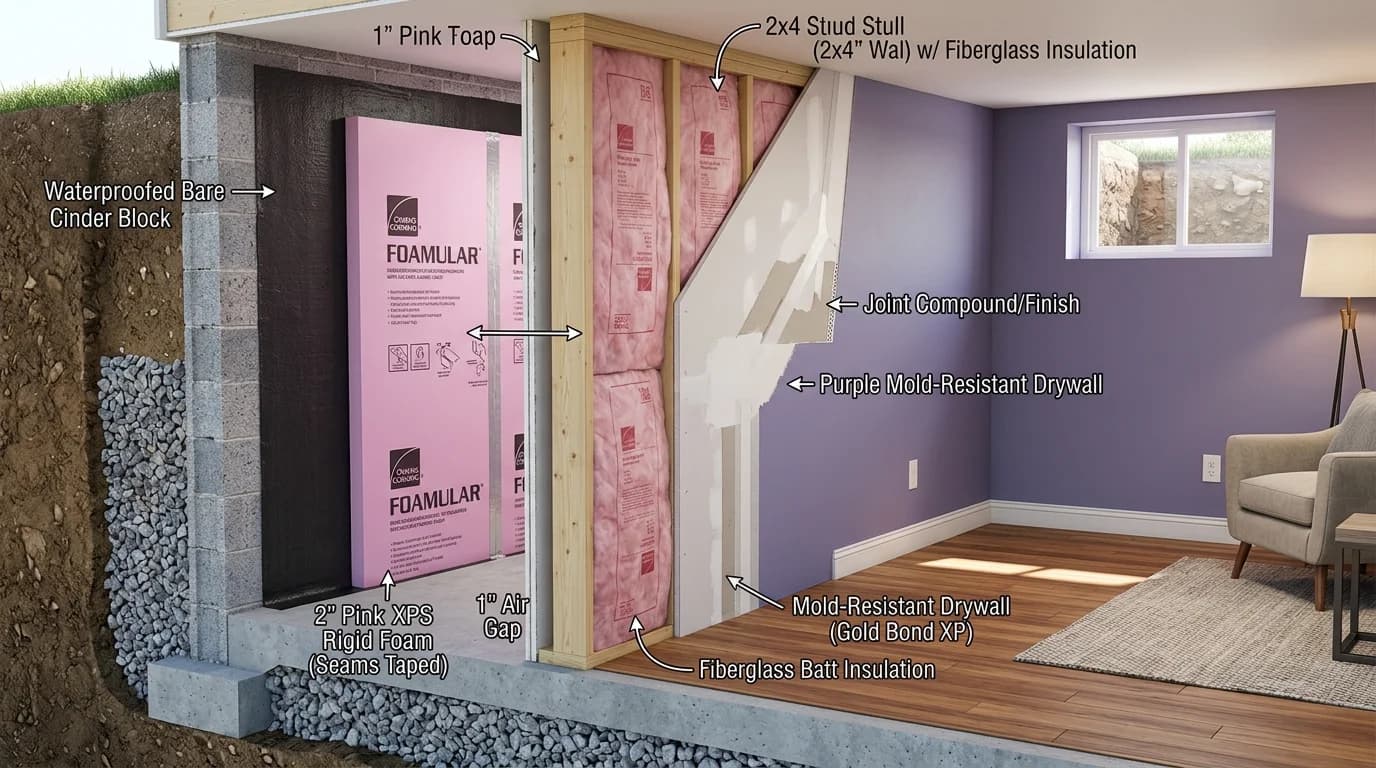
  • Vapor Barriers: Add below-grade moisture barriers and rigid foam insulation to room walls to comply with residential thermal codes.
  • Load Verification: Ensure your existing home foundation can support adjacent structural addition loads without soil deflection. Consult a structural engineer.

Cinder Block Sizing Specifications

Choosing the correct block thickness affects structural capacity, sound proofing, and cost:

6-inch Partition

Best For:Non-load-bearing room dividers, closet enclosures, internal partition wallsLoad Capacity:Partition use, lightweightWeight:28 lbs

8-inch Standard

Best For:Most structural room additions, detached guest houses, exterior load-bearing wallsLoad Capacity:Standard load, wind resistantWeight:38 lbs

10-inch CMU

Best For:Multi-story room additions, basement level room expansion wallsLoad Capacity:High wind & high load supportWeight:43 lbs

Building inspections & structural engineering

Adding structural masonry rooms or offices to an existing home foundation requires compliance with local building inspections and zoning clearances. Always work under a verified building permit.