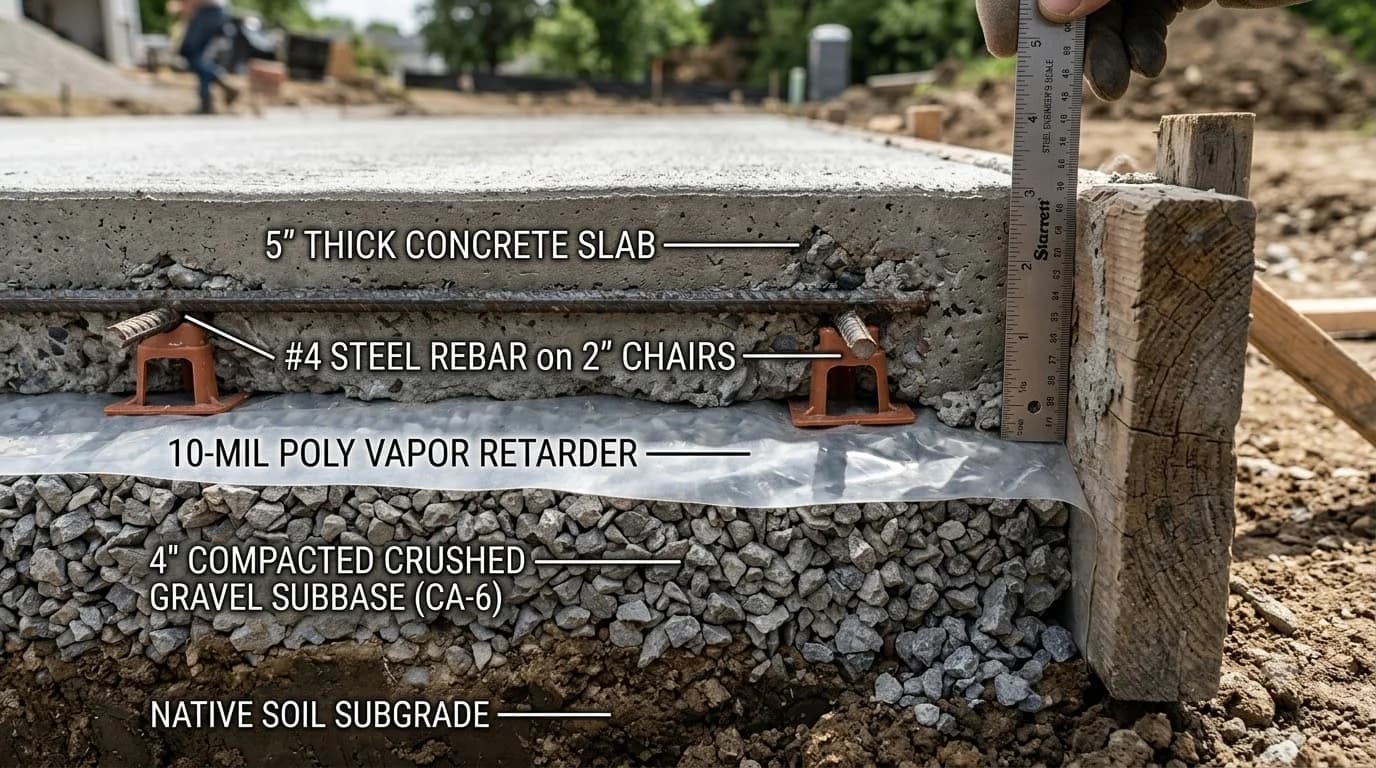
Quick Fabricator Takeoff: Rigid Melamine for Flat Surfaces, Polyurethane Rubber for Relief
Use 3/4-inch non-porous melamine for architectural flatwork (countertops, hearths, fire pit caps, modern steps). Pre-drill and screw from the exterior, seal internal corners with 100% silicone caulk tooled to a 1/8-inch radius, and incorporate 1 to 2 degrees of draft angle on inner cores. For textured stone veneers, relief medallions, or undercut geometries, cast a flexible negative mold using Shore 40A to 60A liquid polyurethane rubber over a rigid mother mold.
1. Mold Material Selection: Melamine vs. MDO vs. Rubber
In concrete formwork governed by ACI 347 (Guide to Formwork for Concrete), the mold material dictates surface texture, moisture retention, dimensional stability, and edge sharpness:
- 3/4-Inch Melamine Particle Board: The premier choice for indoor precast architectural elements (kitchen countertops, table slabs, integrated ramp sinks). The factory-applied thermal-fused melamine resin skin is impervious to moisture, preventing concrete bleed water absorption that causes blotchy discoloration. It yields a polished, zero-grain casting face right out of the form.
- MDO & HDO Plywood (Medium/High Density Overlay): Structural exterior-grade fir plywood faced with a phenolic resin-impregnated cellulose fiber overlay. Highly resistant to impact, moisture swelling, and alkaline cement paste. While more expensive than melamine, MDO panels can be reused 20 to 50 times in commercial wall and stair forming.
- Polyurethane & Silicone Casting Rubbers: When reproducing organic textures (split-face ledger stone, wood grain, detailed reliefs) or casting shapes with undercut profiles, rigid molds are physically impossible to demold. Two-part liquid polyurethane elastomers (Shore 40A to 60A hardness) poured over a master model produce flexible, high-tear-strength molds that peel effortlessly off cured concrete.
- Extruded Polystyrene (XPS Foam): High-density rigid foam (25 to 60 psi compressive strength) carved with a hot-wire cutter or CNC router. Perfect for single-use lightweight negative forms, sink knockouts, curved radiuses, and decorative corbels.
2. Formwork Material Engineering Comparison Matrix
Compare formwork materials based on surface finish, stiffness, reusability, and 2026 retail material pricing:
| Mold Material | Surface Finish | Deflection Rigidity | Typical Reusability | Best Architectural Application | 2026 Material Cost |
|---|---|---|---|---|---|
| 3/4-in Melamine Board | Mirror-smooth, high-gloss | High (Requires 2x4 ribs) | 2 to 4 Pours | Precast countertops, fireplace hearths | $38 - $48 / sheet (4x8) |
| 3/4-in MDO Form Ply | Smooth matte architectural | Very High (Exterior cross-ply) | 20 to 50 Pours | Structural walls, stair forms, footings | $75 - $95 / sheet (4x8) |
| Polyurethane Rubber (50A) | Exact microscopic clone | Flexible (Requires jacket) | 100+ Pours | Faux stone veneer, concrete pavers, pavers | $110 - $150 / gallon kit |
| Extruded Polystyrene (XPS) | Slightly textured foam | Low (Compression prone) | 1 Pour (Sacrificial) | Undermount sink knockouts, radius curves | $24 - $36 / 2-in sheet |
3. Hydrostatic Bursting Pressure & Form Bracing (ACI 347)
When freshly mixed concrete is poured and vibrated, it behaves mechanically as a dense liquid. Under ACI 347, the lateral pressure ($P$) exerted on vertical form walls is calculated using fluid head mechanics:
While a 1.5-inch countertop edge experiences negligible pressure (~0.13 psi), a 24-inch vertical stair riser or garden retaining wall form experiences over 300 lbs of outward bursting force per linear foot along its base.
Deflection Criteria: To prevent unsightly outward bowing, formwork deflection must not exceed $L/360$ of the span under full wet load. For melamine countertop tables, place 2x4 stiffener ribs spaced no more than 16 inches on center beneath the casting deck. For vertical wall forms, install horizontal 2x4 walers paired with high-tensile snap ties or all-thread tie rods.
4. Step-by-Step Melamine Form Building & Silicone Sealing
Follow this standardized 6-step fabrication protocol for building professional precast concrete molds:
- Precision Ripping & Cutting: Cut all melamine panels on a table saw equipped with a sharp 80-tooth triple-chip grind (TCG) carbide blade. Score the underside or use zero-clearance inserts to eliminate chip-out on the brittle melamine skin. Ensure all side walls are cut perfectly parallel.
- Exterior Fastening (Pocket Screws): Never drive nails or screws through the casting face of the mold. Secure side walls to the base using pre-drilled 2-1/2-inch coarse-thread pocket screws or through-screw from the bottom of the base plate. Space screws 4 to 6 inches apart.
- Draft Angles on Internal Blockouts: When creating knockouts for sinks, faucets, or rebar dowels, machine a 1 to 2-degree taper (draft angle) on all vertical faces. The wider side must face the open pour direction. Without draft angles, natural concrete shrinkage will clamp the mold tightly, breaking concrete corners during demolding.
- Watertight Silicone Radiuses: Concrete paste will leak through raw wood seams, causing honeycombing and chip-out. Lay a continuous 1/8-inch bead of 100% silicone caulk along every internal seam. Tool the caulk using a spherical rubber corner tool or the back of a plastic spoon dipped in denatured alcohol. Remove all excess caulk squeeze-out immediately; residual silicone smudges on the melamine face will leave permanent cloudy imprints on the cured concrete.
- Chemically Active Form Release Application: Wipe down the entire mold cavity with clean denatured alcohol to remove sawdust and fingerprint oils. Apply an ultrathin, atomized coat of a chemically active fatty-acid release agent using a microfiber cloth. Buff the surface dry until only a microscopic sheen remains. Puddled release agent causes unsightly air pinholes (bugholes) and soft surface dusting.
- Vibration & Demolding Timeline: Consolidate fresh concrete using an orbital palm sander run along the outside of the melamine form, or an internal pencil vibrator operated briefly. Allow standard mixes to cure for 48 hours; high-performance GFRC mixes can be stripped in 18 to 24 hours. Carefully back out perimeter screws, tap the mold walls with a dead-blow rubber mallet, and gently separate the casting.
5. Liquid Polyurethane Rubber Mold Casting Protocol
When casting ornate stone textures, concrete pavers, or complex 3D concrete elements, follow this rubber casting method:
Master Pattern Preparation: Anchor your master model (such as a split-face granite stone or hand-carved wood relief) to a flat melamine base plate using hot glue or countersunk screws. Seal porous master items with two coats of clear acrylic lacquer.
Containment Box & Sealant: Construct a melamine containment box around the master model, maintaining at least 1/2 to 3/4 inch of clearance on all sides. Seal all box seams with sulfur-free modeling clay or silicone.
Rubber Mixing & De-Airing: Select a two-part Shore 40A to 50A polyurethane mold rubber. Measure parts A and B by weight on a digital gram scale. Mix thoroughly for 3 minutes, scraping bucket walls. If available, vacuum-degas the mixed liquid at 29 inches of mercury to eliminate air bubbles.
Pouring the Rubber: Pour the mixed liquid rubber in a thin, continuous stream into the lowest corner of the containment box, allowing the liquid to rise naturally across the master. This prevents air entrapment against the pattern details. Allow to cure for 16 to 24 hours at 70°F before stripping the containment box and peeling the flexible rubber mold.
5 Costly Concrete Mold-Making Mistakes to Avoid
1. Underestimating Lateral Hydrostatic Pressure
Fresh concrete exerts ~1.04 psi per foot of depth. Failing to install heavy 2x4 exterior ribs on vertical molds leads to catastrophic form blowouts or bowed, distorted castings that cannot be installed.
2. Omitting Draft Angles on Internal Cores
Building perfectly 90-degree square knockouts for sink basins or dowel pockets creates a mechanical vacuum lock as concrete shrinks. Always machine a 1 to 2-degree outward draft angle so cores release effortlessly.
3. Over-Applying Oily Form Release Agents
Puddling release oil inside the mold creates thousands of trapped surface bugholes and leaves a soft, chalky cement skin that ruins surface finish. Apply release micro-thin and buff completely dry with microfiber towels.
4. Using Standard Wood Glue on Raw Melamine Edges
Raw particle board edges exposed inside the mold rapidly swell when exposed to concrete mixing water. Always seal cut edges with waterproof PVC iron-on edge banding or 100% pure silicone caulk.
5. Stripping Formwork Before Reaching Green Strength
Demolding precast slabs within 12 to 18 hours when concrete compressive strength is below 1,000 psi causes corner fracture, edge spalling, and severe micro-cracking across long unsupported spans.
Calculating Concrete Mold Volume & Mix Quantities?
Calculate cubic feet, cubic yards, dry bagged concrete bags, and 2026 material costs instantly.
Frequently Asked Questions
Why is 3/4-inch melamine the industry standard for precast concrete molds?
Melamine particle board features a factory-fused resin laminate skin that is 100% non-porous and ultra-smooth. This impermeable barrier prevents concrete mixing water from soaking into the wood, ensuring an glass-like, mirror-smooth cast finish with minimal surface bugholes and pinholes.
What is a draft angle and why is it critical in rigid concrete formwork?
A draft angle is a subtle taper of 1 to 2 degrees machined onto internal mold cores, sink blockouts, and vertical walls. Because concrete shrinks slightly and forms high frictional resistance, perfectly 90-degree square cores become mechanically locked in place. A draft angle allows the cured concrete to release instantly upon demolding.
What is the difference between barrier oils and reactive form release agents?
Barrier release agents (diesel, mineral oil) simply place a greasy film between the mold and wet cement, often leaving dark surface stains and dusting. Reactive release agents contain fatty acids that chemically react with calcium hydroxide in fresh concrete paste to form a microscopic, insoluble calcium soap layer that delivers clean release without bugholes.
How much lateral pressure does fresh wet concrete exert on vertical forms?
Fresh concrete behaves as a dense fluid with a wet unit weight of 150 lbs/cu ft. Under ACI 347, lateral hydrostatic pressure increases by approximately 1.04 psi per vertical foot of depth. A 3-foot-tall form experiences over 450 lbs per linear foot of bursting pressure along the bottom edge, requiring heavy exterior 2x4 waler bracing.
How long should concrete cure in the mold before demolding?
For standard Portland cement mixes, wait 48 to 72 hours before demolding. For high-early-strength Glass Fiber Reinforced Concrete (GFRC) or fast-setting CSA cement mixes, molds can often be stripped within 18 to 24 hours once compressive strength exceeds 1,500 psi (ASTM C1074 maturity).
Building Codes & Primary Standards Cited
Guide to Formwork for Concrete
American Concrete Institute engineering standard governing lateral fluid pressure calculations, allowable deflection limits, and safety factors.
Guide to Cast-in-Place Architectural Concrete Practice
Detailed recommendations for form materials, non-staining chemical release agents, corner tooling radiuses, and bughole prevention.
Standard Practice for Estimating Concrete Strength by the Maturity Method
Establishes temperature-history maturity guidelines to accurately determine minimum concrete compressive strength prior to formwork stripping.
Estimations adhere to standard North American modular 3/8-inch mortar joint physics and 5% to 10% material waste factors. Local municipal building inspectors, stamped architectural blueprints, and local frost depth requirements supersede general reference guidelines.
Popular Quick Estimates
Pre-engineered takeoffs & benchmarks matched to this project
Related Calculators
Specialized tools for foundation, core fill, and budgeting
Cubic yards, bags, and slab volume for flatwork and footings
Heavyweight structural blocks and bond beam units
Core grout volume in cubic yards and 80-lb pre-mix bags
Cell fill requirements for low-lift and high-lift grouting
Blogs & Construction Guides
Technical articles, IRC code standards, rebar schedules & freight logistics
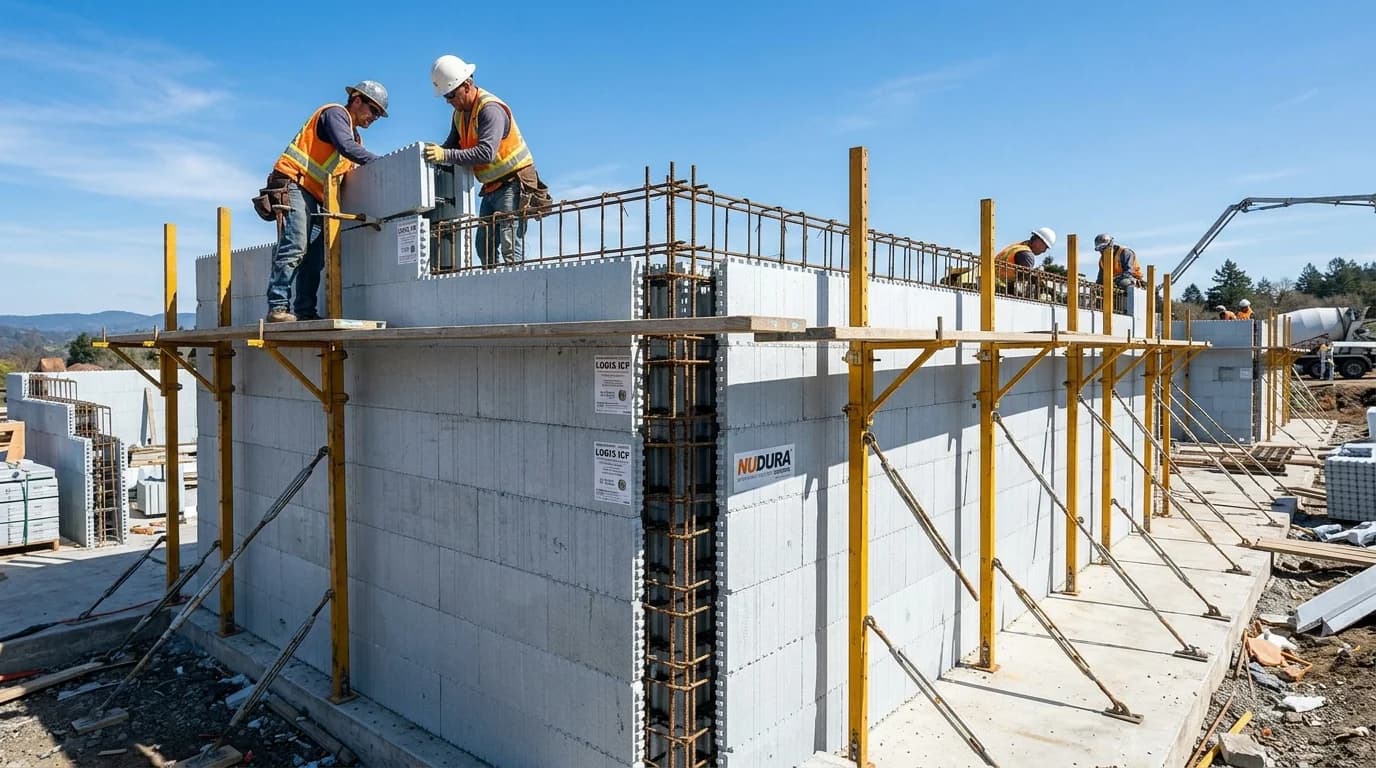
Insulated Concrete Forms: Complete ICF Wall & Cost Guide
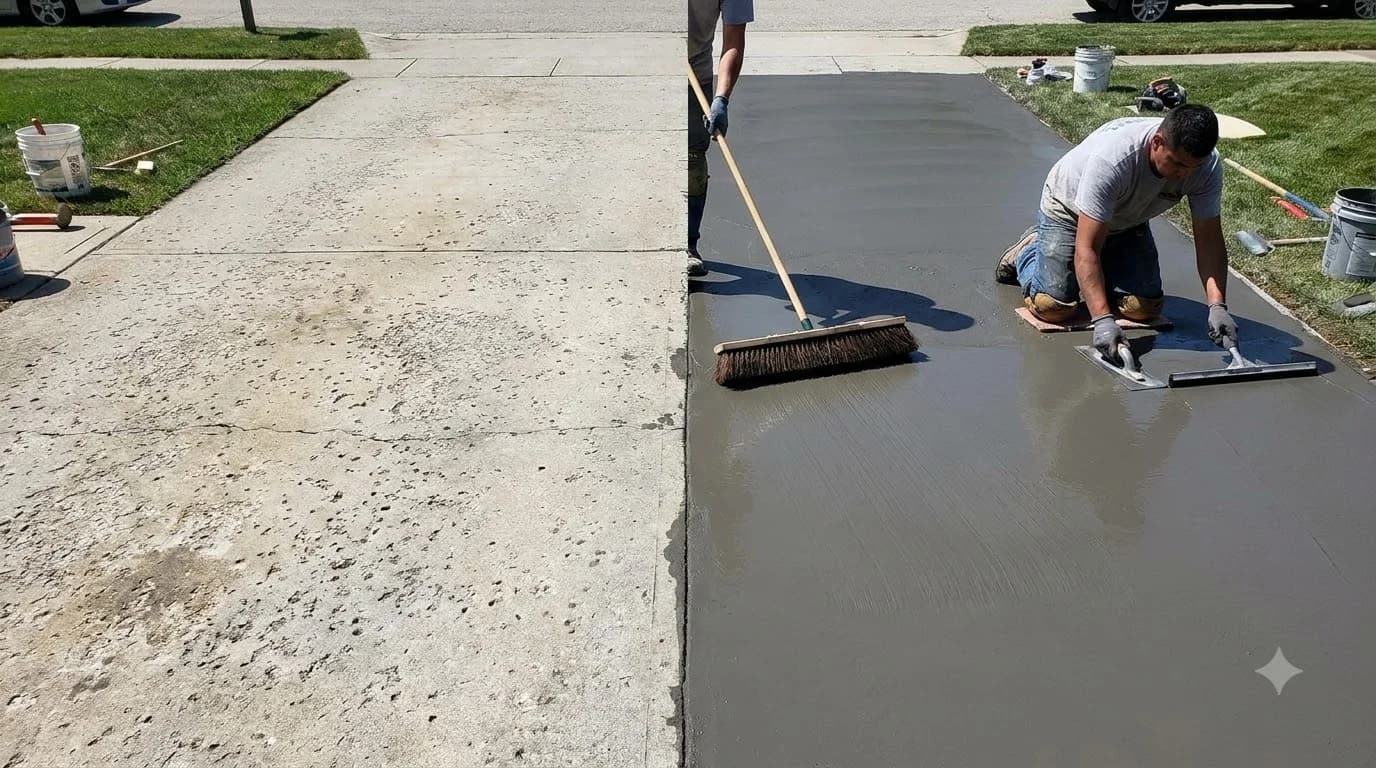
How to Resurface Concrete: Overlays & Micro-Toppings
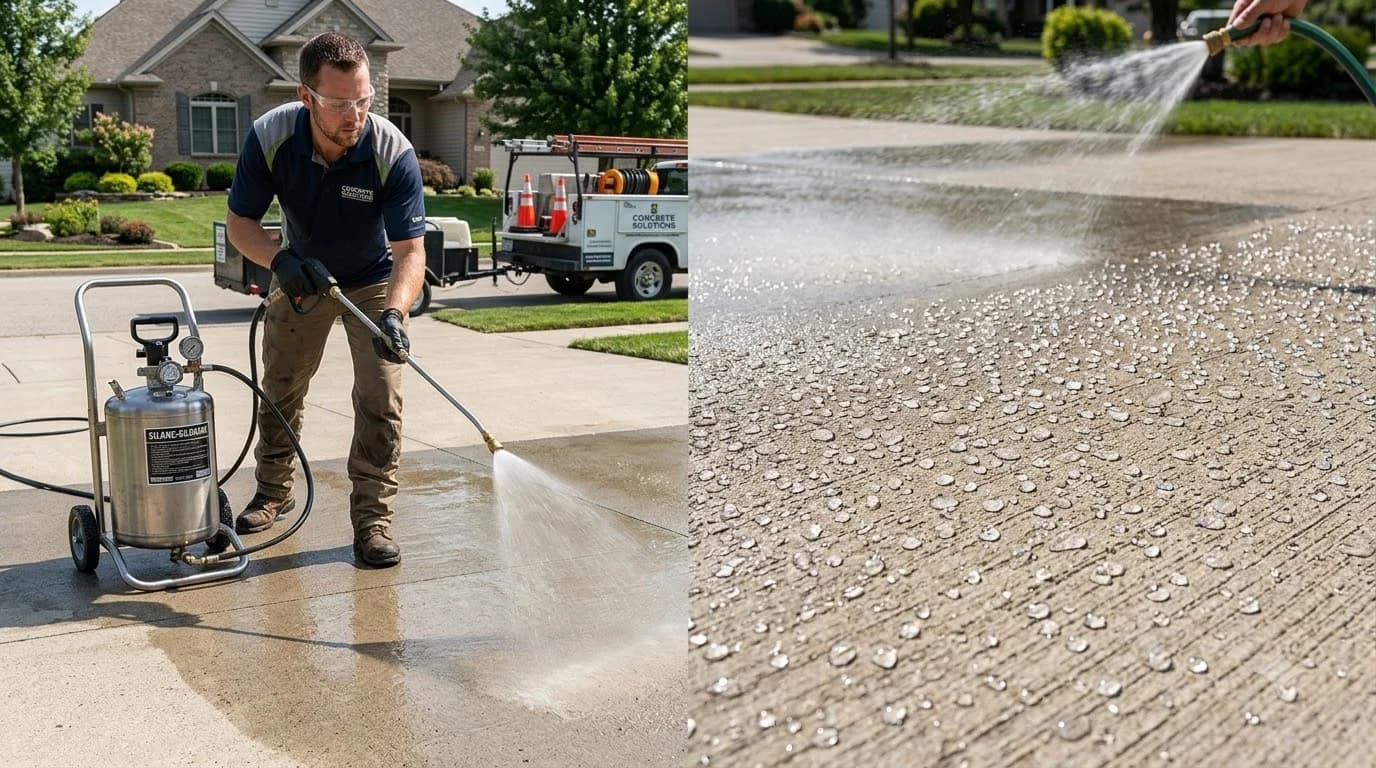
How to Seal Concrete: Siloxane vs Acrylic Sealers