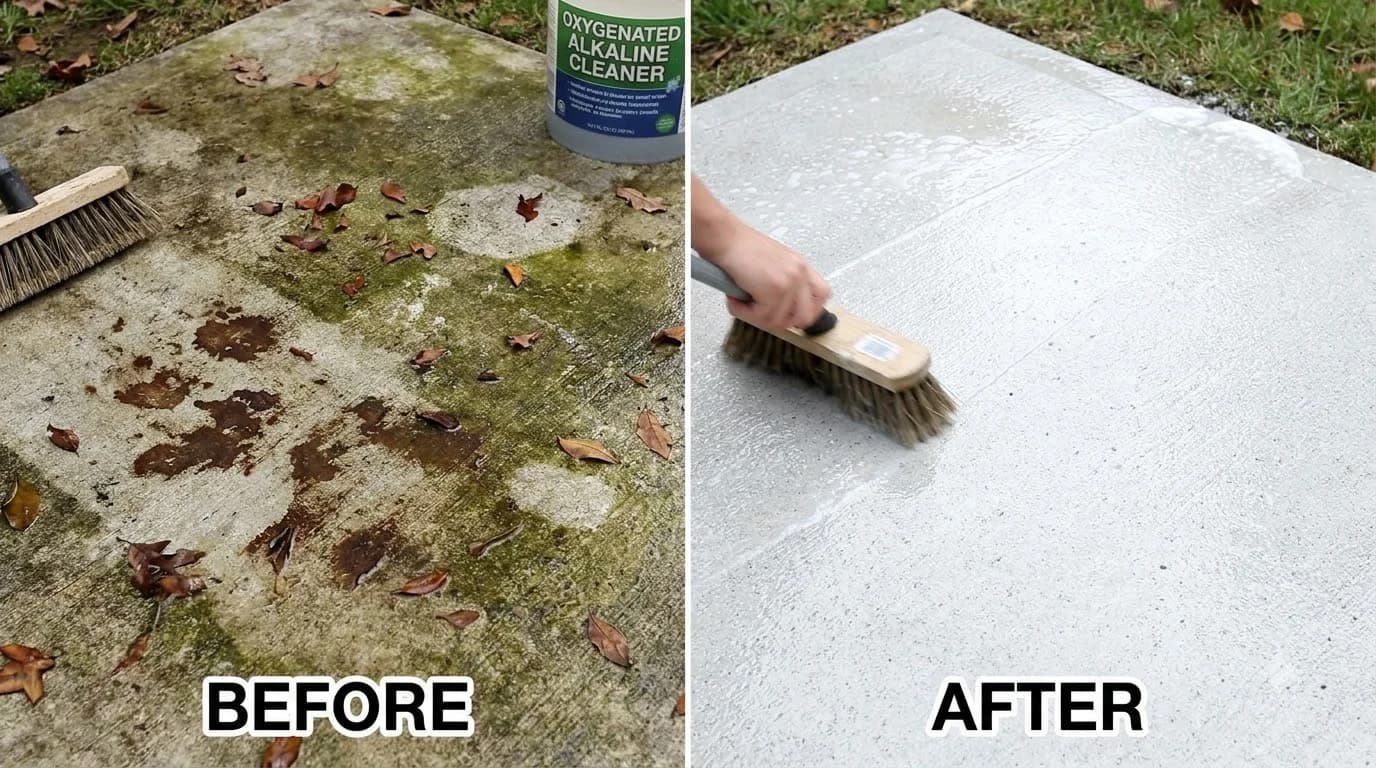
1. The Chemistry of Efflorescence: The Three-Legged Stool
Efflorescence is the migration of mineral salts to the surface of porous masonry, where it forms an unsightly chalky deposit. In civil engineering, efflorescence is governed by the "Three-Legged Stool" principle—it can only occur if all three conditions exist simultaneously:
1. Soluble Salt Source
Portland cement naturally releases free water-soluble calcium hydroxide, Ca(OH)&sub2;, during hydration. Aggregates and clay soil also contain sodium and potassium sulfates.
2. Migrating Moisture
Liquid water (from rain, over-watering sprinklers, or high water tables) must penetrate the concrete to dissolve the dormant salt crystals into a liquid solution.
3. Capillary Evaporation
Capillary pores draw the salt solution toward the drying surface. When water evaporates, the calcium reacts with atmospheric CO&sub2; to precipitate insoluble calcium carbonate (CaCO&sub3;).
2. Master Efflorescence Removal Methods Comparison
Compare the mechanical and chemical methods used by masonry restoration contractors:
| Method / Chemical | Salt Severity | Safety & Fumes | Risk of Surface Etching | Effectiveness |
|---|---|---|---|---|
| Dry Stiff Nylon Brushing | Light / Powdery | Zero fumes (100% safe) | Zero etching | Removes 60–80% of loose salts |
| Buffered Sulfamic Acid Crystals | Moderate to Severe | Odorless, non-volatile | Very Low (Controlled reaction) | Highest (Contractor Standard) |
| Organic Poly-Carboxylic Cleaners | Light to Moderate | Plant-safe, zero VOC | Zero etching | Excellent for pavers and brick |
| Phosphoric Acid Solutions | Heavy Crusts | Mild acidic odor | Low to Moderate | Fast action on dense CMUs |
| Muriatic (Hydrochloric) Acid | Severe Hardened | Lethal fumes, highly caustic | Severe (Aggressive pitting) | AVOID (Bleaches & damages) |
3. The 5-Step Protocol to Remove Efflorescence Permanently
Follow this field-proven contractor protocol to eliminate efflorescence without worsening salt migration:
- Step 1: Mechanical Dry Scraping: Before introducing a single drop of liquid, scrub the dry wall or slab with a stiff-bristled wire or coarse nylon masonry brush. Collect the fallen white powder with a shop vacuum. Never wash dry salts with water first.
- Step 2: Pre-Wet the Concrete (SSD Condition): Flood the concrete with clean water just before applying any acid cleaner. Pre-saturating the capillaries ensures the acid stays on the outer surface to dissolve salt crusts rather than soaking deep into the slab core.
- Step 3: Apply Buffered Sulfamic Acid: Mix 1 lb of sulfamic acid crystals per 1 gallon of warm water (roughly an 8:1 dilution). Apply with a plastic pump sprayer. The solution will immediately effervesce (fizz) as it dissolves calcium carbonate into soluble calcium sulfamate.
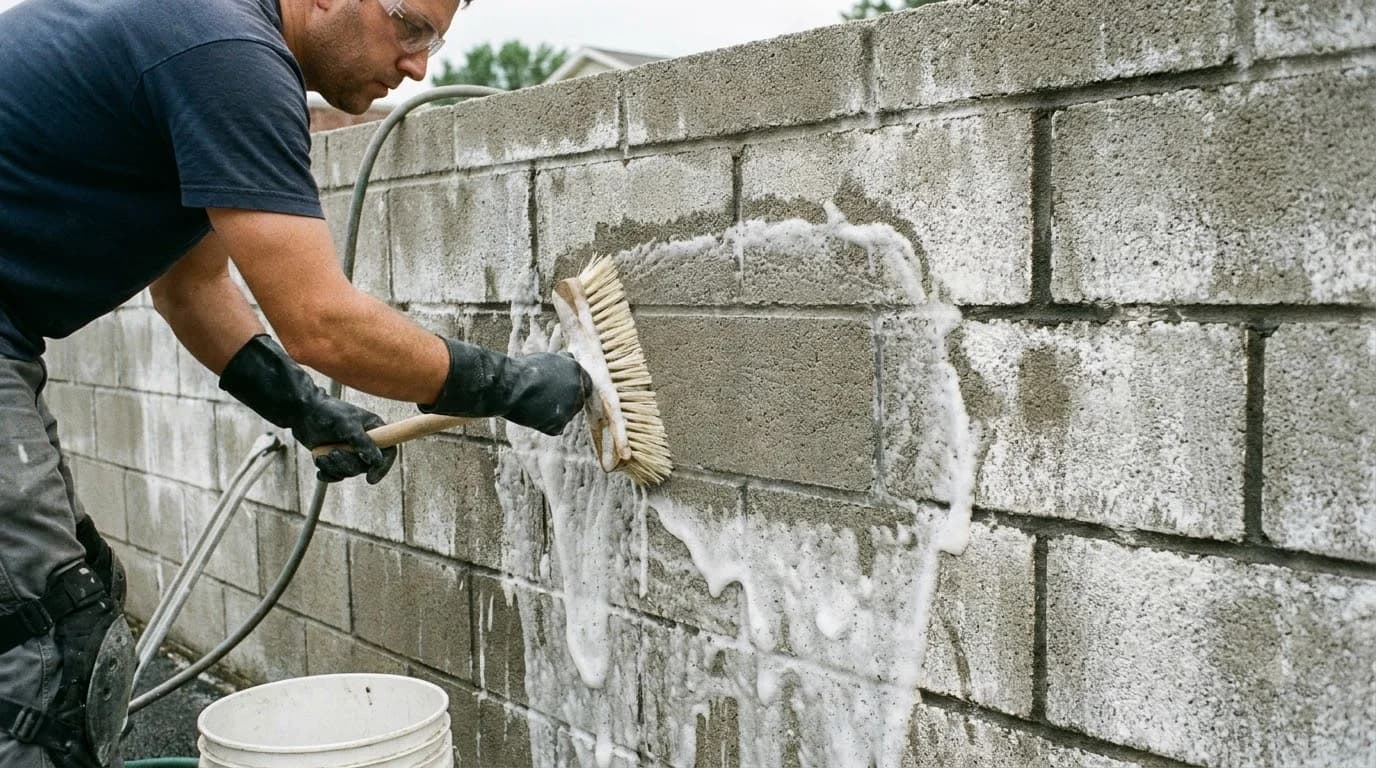
- Step 4: Agitate & Flush Copiously: Scrub with a stiff deck broom for 3 to 5 minutes. Flush immediately with copious amounts of clean water to wash dissolved salts off the wall. Neutralize with a dilute wash of baking soda (1 cup per 2 gallons) to restore neutral surface pH.
- Step 5: Fix Underlying Water Drainage: Clean gutters, extend downspouts at least 6 feet away from the wall, and install perforated French drains with aggregate backfill behind retaining walls.
4. Five Costly Mistakes That Worsen Efflorescence
1. Sealing with Topical Acrylics While Wet
Applying an impermeable acrylic "wet-look" sealer traps residual moisture and migrating salts beneath the plastic film. Within 30 days, the trapped salts form opaque white blotches that can only be removed by chemical stripping.
2. Blasting with High-Pressure Washers
Using 3,500 PSI water forces gallons of moisture 2 inches deep into the concrete masonry cores. The moisture dissolves dormant lime pockets, resulting in massive efflorescence blooms 3 days later.
3. Applying Full-Strength Muriatic Acid
Muriatic acid attacks the calcium silicate hydrate binder faster than the salt deposits, causing deep aggregate pitting, mortar joint softening, and yellow acid stains.
4. Ignoring Sprinkler Spray Patterns
Lawn irrigation heads that hit concrete block retaining walls twice daily provide a continuous supply of dissolved mineral water, creating an endless cycle of new secondary efflorescence blooms.
5. Long-Term Protection: Breathable Penetrating Sealers
Once the concrete has completely dried (minimum 72 hours of sunny weather after acid washing), protect the surface permanently:
- Specify 100% Breathable Silane-Siloxane: Unlike film-forming coatings that trap moisture, deep-penetrating silane-siloxane water repellents (ASTM C309/C1315) penetrate 1/4 to 3/8 inch into concrete pores. They line capillary walls with microscopic silicone spikes that reject liquid water droplets while permitting internal moisture vapor to escape freely (100% vapor permeable).
- Stop Capillary Wicking from Soil: On retaining walls, apply a rubberized asphalt waterproofing membrane or dimpled drainage sheet on the positive (earth-facing) side of the wall before backfilling with 3/4-inch washed drainage stone.
6. Cryptoflorescence: The Hidden Sub-Surface Threat
While surface efflorescence is primarily an aesthetic flaw, a related phenomenon called cryptoflorescence is structurally destructive:
Crystallization Pressure
If evaporation occurs just below the surface within capillary throats, growing salt crystals exert hydraulic pressures up to 4,000 PSI, exceeding concrete tensile strength and causing surface spalling.
Lime Run (Calcium Leaching)
Unlike powdery efflorescence, lime run occurs when water continuously flows through cracks, forming hard stalactite-like limestone deposits that require chisel mechanical scraping.
Sub-Slab Vapor Barriers
Installing a 15-mil polyolefin vapor retarder (ASTM E1745 Class A) beneath interior slabs eliminates groundwater salt transmission at the root source.
Frequently Asked Questions
Is efflorescence harmful to concrete or human health?
No, efflorescence consists of naturally occurring mineral salts (predominantly calcium carbonate, sodium sulfate, and potassium chloride) which are non-toxic and non-hazardous. However, structurally, efflorescence is a critical warning sign that water is migrating through the concrete, which can eventually corrode internal steel rebar, foster black mold behind drywall, or cause freeze-thaw spalling.
Why does efflorescence come back after washing it with water?
Washing efflorescence with a garden hose simply re-dissolves the surface salt crystals and flushes them back into the concrete's open capillary pores. As the slab dries in the sun over the next 48 to 72 hours, capillary action draws the dissolved salts right back to the surface, where they re-crystallize in an identical white chalky deposit.
What is the safest and most effective acid to remove stubborn efflorescence?
Sulfamic acid crystals or buffered organic phosphoric acid cleaners are the industry gold standard. Unlike dangerous muriatic (hydrochloric) acid, sulfamic acid produces zero pungent choking vapors, does not bleach colored pavers, and gently dissolves hard calcium carbonate crystals without violently etching and pitting the underlying cement cream.
Can you seal concrete that has active efflorescence?
Never apply a film-forming topical acrylic, epoxy, or polyurethane sealer over concrete with active efflorescence. Trapped moisture vapor will continue to push salts against the underside of the plastic film, creating unsightly white hazing, bubbling, and catastrophic coating peel within months. You must eliminate the moisture source and apply a breathable penetrating silane-siloxane sealer.
What is the difference between primary and secondary efflorescence?
Primary efflorescence appears within 24 to 72 hours of pouring as excess mix water evaporates during initial hydration. It is typically soft, powdery, and easily swept away. Secondary efflorescence appears months or years later, fueled by external water intrusion (roof runoff, rising ground dampness, or failed waterproofing) and forms hard, crusty insoluble calcium carbonate.
Building Codes & Primary Standards Cited
Standard Test Methods for Sampling and Testing Concrete Masonry Units and Related Units
Establishes absorption, moisture content, and efflorescence testing procedures for concrete blocks.
Standard Test Methods for Sampling and Testing Brick and Structural Clay Tile
Defines wick-testing and visual rating criteria for mineral salt efflorescence deposits.
Guide to Selecting Protective Materials for Concrete
Recommends breathable penetrating water repellents for mitigating moisture vapor transmission.
Selecting and Specifying Concrete Surface Preparation for Sealers and Coatings
Standards for acid cleaning, surface neutralization, and profilometry prior to sealing.
Estimations adhere to standard North American modular 3/8-inch mortar joint physics and 5% to 10% material waste factors. Local municipal building inspectors, stamped architectural blueprints, and local frost depth requirements supersede general reference guidelines.
Popular Quick Estimates
Pre-engineered takeoffs & benchmarks matched to this project
Related Calculators
Specialized tools for foundation, core fill, and budgeting
Cubic yards, bags, and slab volume for flatwork and footings
Heavyweight structural blocks and bond beam units
Core grout volume in cubic yards and 80-lb pre-mix bags
Cell fill requirements for low-lift and high-lift grouting
Blogs & Construction Guides
Technical articles, IRC code standards, rebar schedules & freight logistics
How Much Does Concrete Removal Cost? (2026 Price Guide)
How to Remove Concrete Anchors: Extraction & Cutting
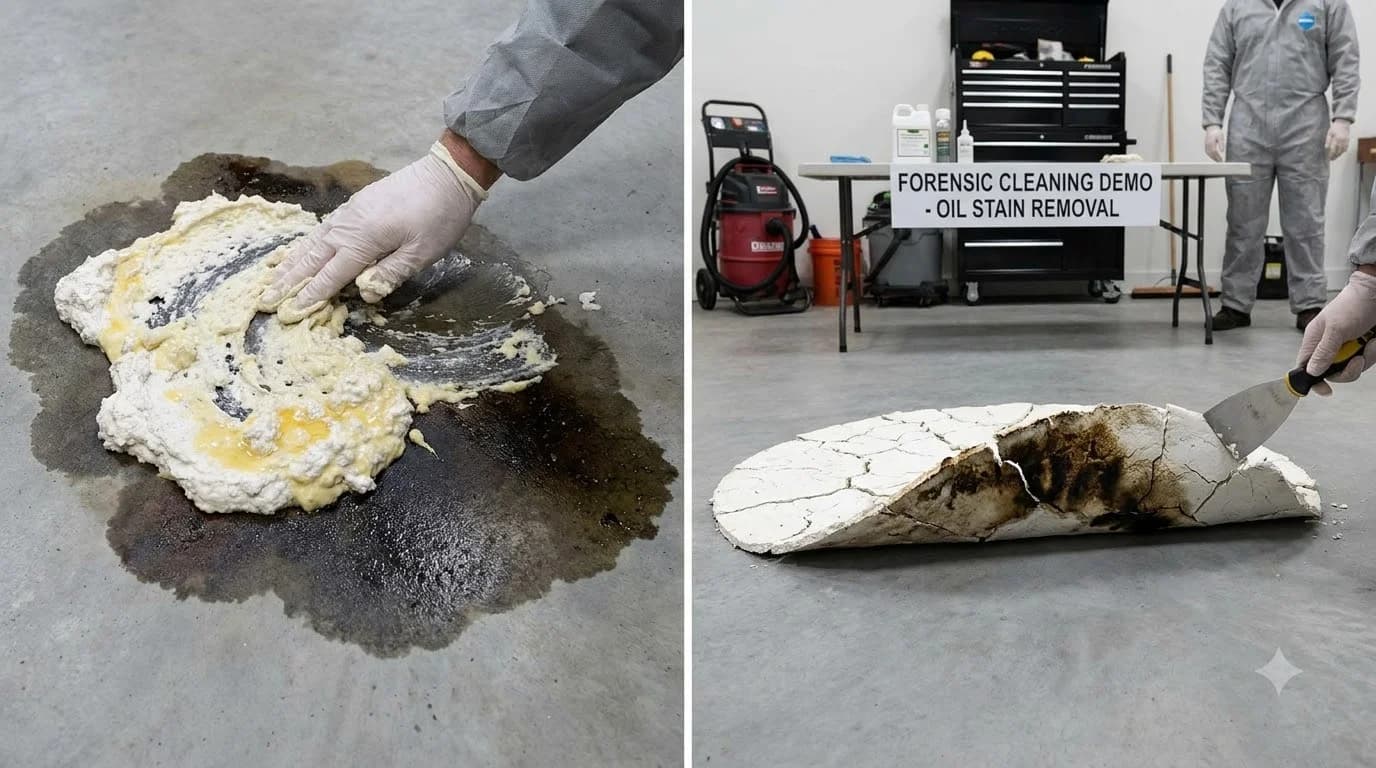
How to Remove Oil Stains from Concrete: Best Methods