1. Why Concrete Stains: Porosity, Capillaries & Wicking
Standard residential concrete has a capillary pore volume between 12% and 18%. When viewed under an electron microscope, cured concrete resembles an interconnected web of microscopic tunnels (capillaries) formed as excess mix water evaporated during curing.
When liquids like red wine, melted hamburger fat, or rainwater carrying leaf tannins touch unsealed concrete, capillary suction draws the contaminants 1/16 to 1/2 inch below the surface. Simply scrubbing the surface with soapy water washes off the top layer, but as the concrete dries, moisture evaporates from the surface, drawing deeper trapped pigments back up in a frustrating cycle known as wicking or stain shadowing.
2. Master Concrete Stain-to-Chemistry Action Matrix
Select the exact chemical reagent formulated for the molecular structure of the specific contaminant:
| Stain Type | Underlying Chemistry | Recommended Reagent | Dwell Time | Application Method |
|---|---|---|---|---|
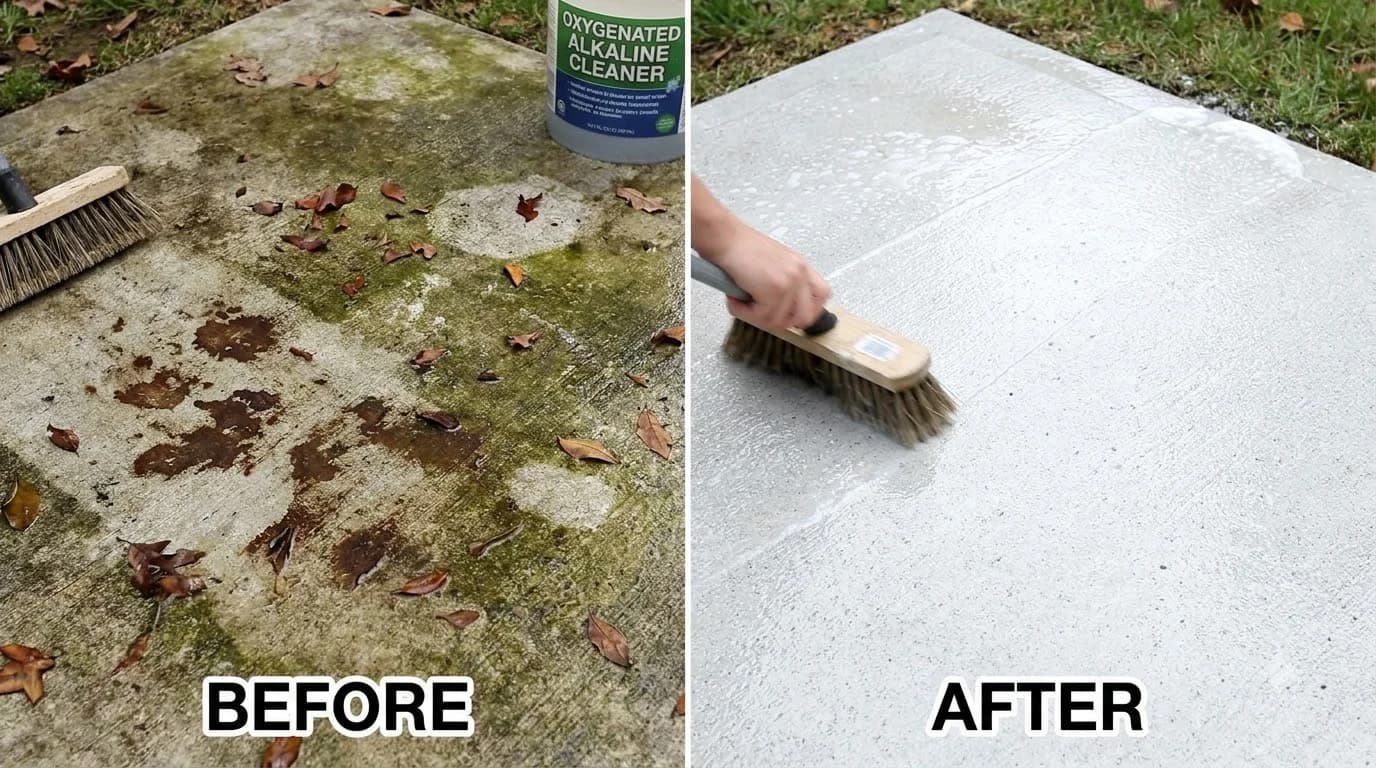
| Fallen Leaves / Acorns | Polyphenol vegetable tannins | Sodium Percarbonate (Oxygen Bleach) | 20 – 30 mins | Hot water scrub with stiff push broom |
| Wood Deck Runoff / Sap | Lignin & cedar/redwood resins | Trisodium Phosphate (TSP) + Denatured Alcohol | 15 – 25 mins | Alkaline scrub followed by high-volume hose rinse |
| BBQ Grease / Animal Fats | Triglycerides & burnt lipids | Bio-Enzymatic Concrete Cleaner / Degreaser | 2 – 4 hours | Bacterial digestant breaks down hydrocarbon chains |
| Red Wine & Fruit Juice | Anthocyanin pigments & fruit acids | 12% Hydrogen Peroxide + Baking Soda | 12 – 24 hours | Absorbent poultice paste covered with plastic film |
| Bird Droppings / Mold | Uric acid crystals & fungal spores | Dilute Sodium Hypochlorite (5:1 with water) | 10 – 15 mins | Spray mist, agitate with nylon brush, rinse immediately |
3. The Poultice Protocol: Extracting Deep Embedded Pigments
When surface scrubbing fails to remove stains that have soaked deep into the slab, professional masonry restoration contractors turn to the poultice extraction technique:
- Mix the Absorbent Medium: Combine an inert, high-surface-area absorbent powder (diatomaceous earth, unscented talc, or baking soda) with your liquid chemical reagent (such as 12% hydrogen peroxide for wine, or citrus solvent for grease) until it forms a creamy paste with the consistency of peanut butter.
- Pre-Wet the Concrete: Dampen the stained area with clean water. This prevents the dry concrete from immediately drinking the solvent out of the poultice.
- Trowel 1/4-Inch Thick: Spread the poultice evenly over the stain, extending 1 inch past the perimeter borders.
- Cover and Seal:Place plastic polyethylene wrap over the poultice and tape down all four edges with painter's tape. This prevents rapid evaporation, forcing the active chemicals to dissolve the pigment inside the concrete.
- Uncover and Let Dry: After 24 hours, peel off the plastic film and allow the paste to dry completely into a chalky cake. As the liquid evaporates through the powder, capillary draw pulls dissolved stains upward into the powder. Sweep up and discard.
4. Five Fatal DIY Mistakes That Permanently Damage Concrete
1. Applying Muriatic Acid to Grease Stains
Homeowners frequently pour muriatic acid onto oily spots. Acid does not digest hydrocarbons; it dissolves cement paste around the oil, driving greasy residues deeper into the slab while leaving an etched white crater.
2. Etching Lines with 0-Degree Pressure Tips
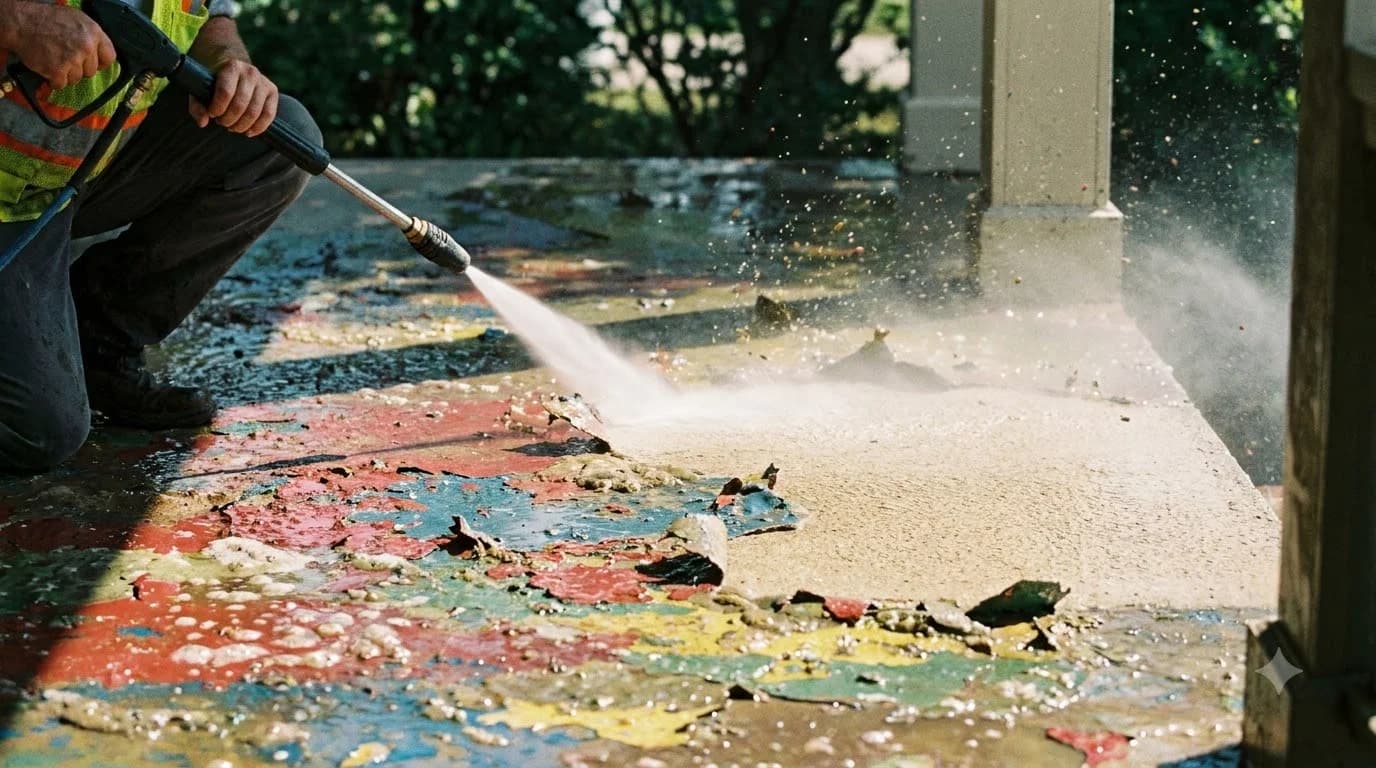
The red 0-degree pressure washer tip acts like a liquid scalpel. Holding it close to concrete strips the surface cream, exposing rough aggregate sand in permanent "tiger stripe" scars.
3. Mixing Household Bleach with Ammonia
Never mix chlorine bleach with ammonia or commercial degreasers containing ammonium hydroxide. The chemical reaction generates lethal chloramine gas clouds within seconds.
4. Using Wire Brushes on Decorative Concrete
Scrubbing concrete with carbon steel wire brushes leaves microscopic steel bristles embedded in the rough pores. Within weeks, the steel fragments rust in rain, causing hundreds of orange rust dots. Always use nylon or poly bristles.
5. Long-Term Protection: Penetrating Silane vs. Oleophobic Sealers
Once stains are thoroughly removed, protect your patio, walkway, or garage from future discoloration:
- Penetrating Silane-Siloxane Water Repellents: Penetrate 1/4 inch deep into concrete pores, lining capillaries with hydrophobic silicone molecules. Water, leaf tannins, and winter slush bead up without altering the natural matte appearance or slip resistance.
- Fluoropolymer Oleophobic Sealers: Specialized food-grade repellents engineered for outdoor barbecue kitchens and dining patios. In addition to repelling water, they repel cooking oils, melted animal grease, and red wine, keeping them on the surface for easy sponge cleanup.
6. Surface pH Neutralization & ASTM D4262 Testing
After utilizing strong chemical reagents (especially caustic sodium metasilicates or acidic chelators), you must verify the slab's surface pH prior to sealing:
ASTM D4262 pH Testing
Place several drops of distilled water on the clean dry slab. Press a wide-range pH test strip against the wet puddle for 30 seconds; target a neutral reading between 7.0 and 8.5.
Neutralizing Caustic Cleaners
If high-pH alkaline degreasers leave a residual basic film (pH > 9.5), apply a mild rinse of food-grade citric acid (4 oz per gallon of water) followed by a high-volume flush.
Drying Time Before Sealing
Even if concrete feels dry to the touch, deep moisture remains in pores. Allow a minimum of 24 to 48 hours of sunny weather before applying breathable penetrating sealers.
Frequently Asked Questions
How do you remove stubborn leaf and tannin stains without toxic chemicals?
Mix pure powdered sodium percarbonate (oxygen bleach, such as pure OxiClean) with hot water at a ratio of 1 cup per gallon. Spread generously over the damp leaf stains, scrub with a stiff synthetic push broom to generate active oxygen foam, allow a 30-minute dwell time, and rinse thoroughly. Oxygen bleach oxidizes organic vegetable tannins into colorless water-soluble compounds without killing nearby lawn turf.
Does red wine cause permanent discoloration on unsealed concrete?
Unsealed concrete absorbs red wine tannins deep into its capillary pores within minutes, but the stain is not permanent. Create an oxidizing poultice paste using baking soda or diatomaceous earth mixed with 12% food-grade hydrogen peroxide and a few drops of clear dish soap. Pack it 1/4-inch thick over the stain, cover with plastic wrap for 24 hours, and allow it to dry completely. As moisture evaporates outward, capillary suction draws the wine pigments out of the stone.
Why shouldn't you use muriatic acid to remove organic stains or grease?
Muriatic acid (hydrochloric acid) reacts violently with the alkaline calcium hydroxide in cement paste, etching and dissolving the surface matrix. However, acid has zero chemical effect on organic tannins or hydrocarbon oils. In fact, acid-etching opens the concrete capillaries wider, driving oil and grease deeper into the slab while permanently pitting the broom finish.
How do you prevent outdoor concrete patios from absorbing tree and leaf stains?
Apply a breathable, deep-penetrating silane-siloxane or fluoropolymer oleophobic concrete sealer (ASTM C309/C1315). Penetrating sealers chemically react with free lime inside the pores to create an invisible hydrophobic barrier, preventing liquid tannins and grease from soaking below the surface where they can be rinsed away with a garden hose.
What is the proper pressure washer nozzle for cleaning concrete without gouging?
Never use the red 0-degree pinpoint nozzle or hold a green 25-degree tip closer than 12 inches to residential concrete. The concentrated 3,000+ PSI water stream strips the top cream finish, exposing underlying sand grains in permanent wand lines. Use a 25-degree or 40-degree white fan tip, or ideally a dual-nozzle rotary surface cleaner attachment operated at 2,200 to 2,800 PSI.
Building Codes & Primary Standards Cited
Selecting and Specifying Concrete Surface Preparation for Sealers and Coatings
Establishes chemical cleaning, degreasing, and mechanical profile standards for concrete slabs.
Standard Specification for Liquid Membrane-Forming Compounds for Curing Concrete
Governs moisture barrier retention and sealing specifications for exterior concrete.
Standard for Safer Cleaning Products and Biodegradable Surfactants
Defines environmental standards for oxygen bleach, bio-enzymes, and non-toxic concrete cleaners.
Guide to Selecting Protective Materials for Concrete
Technical recommendations for barrier systems resistant to chemical and stain penetration.
Estimations adhere to standard North American modular 3/8-inch mortar joint physics and 5% to 10% material waste factors. Local municipal building inspectors, stamped architectural blueprints, and local frost depth requirements supersede general reference guidelines.
Popular Quick Estimates
Pre-engineered takeoffs & benchmarks matched to this project
Related Calculators
Specialized tools for foundation, core fill, and budgeting
Heavyweight structural blocks and bond beam units
Cubic yards, bags, and slab volume for flatwork and footings
Core grout volume in cubic yards and 80-lb pre-mix bags
Direct wall dimensions with window and door deductions
Blogs & Construction Guides
Technical articles, IRC code standards, rebar schedules & freight logistics
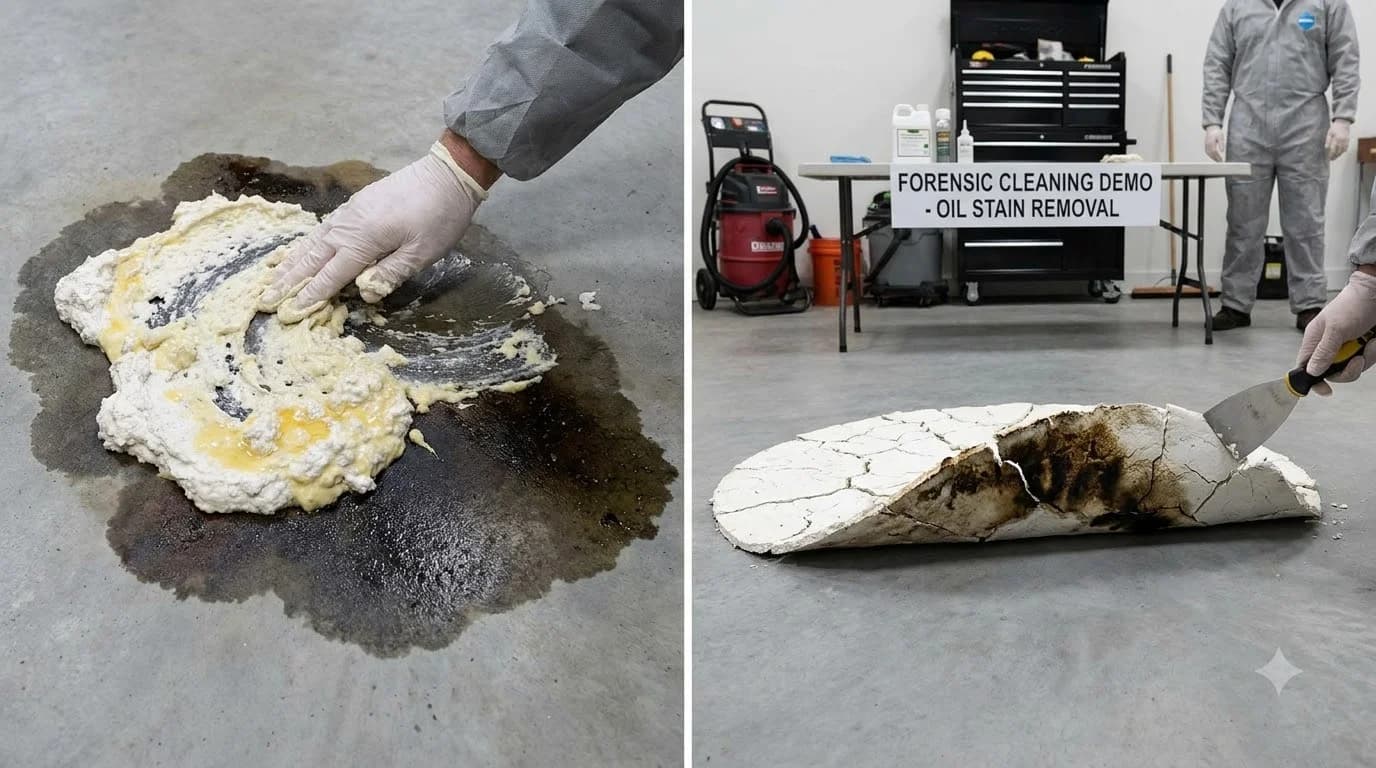
How to Remove Oil Stains from Concrete: Best Methods
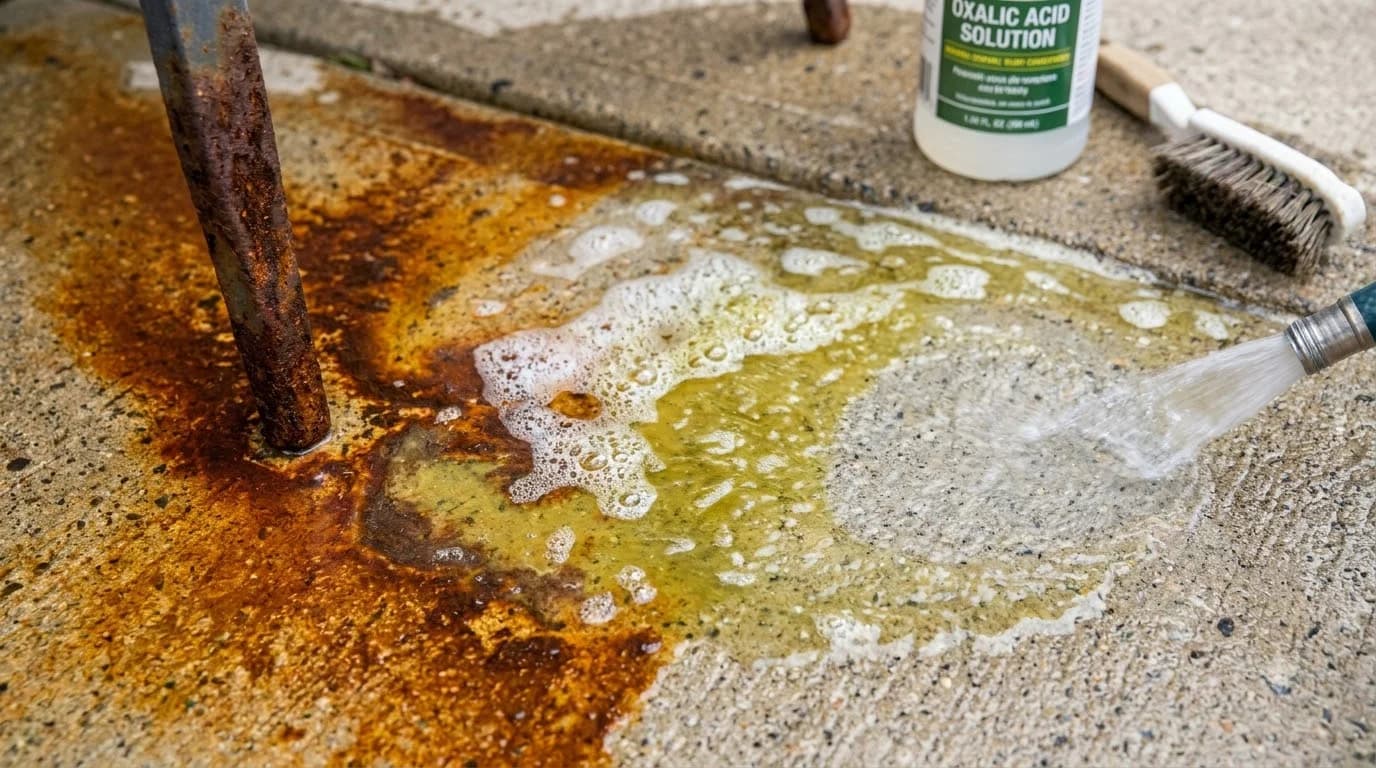
How to Remove Rust Stains from Concrete: Best Acids
How Much Does Concrete Removal Cost? (2026 Price Guide)