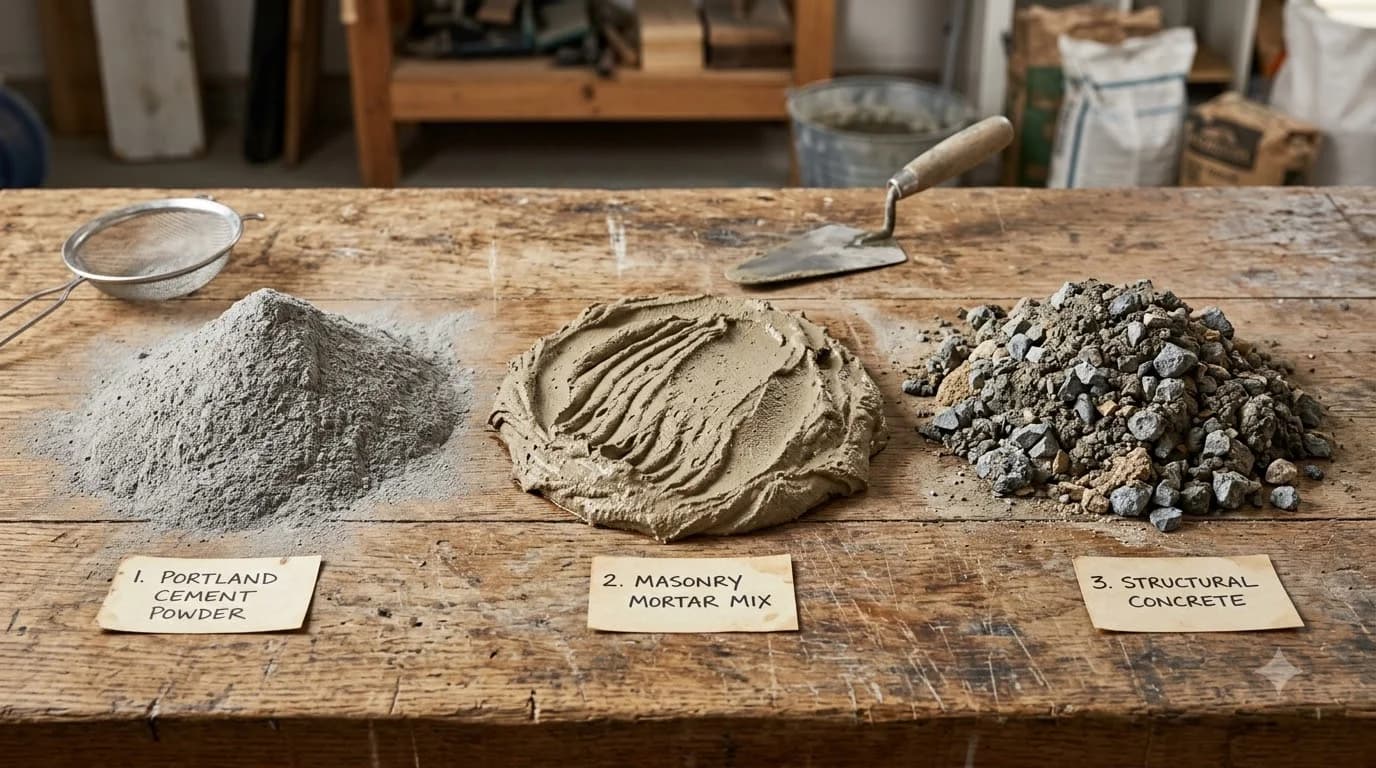
Mortar Mixer Batch Calculator
Calculate exact shovel counts, Portland cement sacks, Type S hydrated lime bags, and water gallons for 6, 8, 9, and 12 cu ft towable mechanical paddle mortar mixers under ASTM C270 specifications.
CMU estimates use nominal face dimensions and illustrative mortar yields (30 standard 8-inch units per 80-lb premix bag before waste; thickness adjustments apply). Confirm product yields, unit core volumes, supplier pack sizes and local prices before ordering. Reinforcement quantities are material allowances; laps, hooks, embedment and engineered design are excluded.
CinderCalc
Mechanical Mortar Mixer Batch Recipe & Takeoff Sheet
Project Takeoff Sheet
Generated: 10/30/2026
1. Equipment & Mix Specifications
| Mixer Drum Size | 9 cu ft mechanical paddle mixer | Mortar Classification | ASTM C270 Type S |
| Planned Batches | 1 drum load(s) | Target Blocks Laid | ~50 CMU blocks |
| Shovel Factor | 4.5 shovels per cu ft sand | Volumetric Ratio | 1 : 0.5 : 4.00 |
2. Single Drum Loading Recipe
| Component | Measurement | Standard Packaging | Loading Order |
|---|---|---|---|
| Mixing Water | ~6 Gallons | Clean potable water | 75% first, 25% temper |
| Damp Masonry Sand | 18 Shovels | ~4.0 cu ft (ASTM C144) | Half with water, half after binders |
| Portland Cement | 1 Sack(s) | 94-lb paper sack (ASTM C150 Type I/II) | Second (into sand slurry) |
| Hydrated Lime | 0.5 Bag(s) | 50-lb bag (ASTM C207 Type S Lime) | With Portland cement |
3. Total Job Materials Order (1 Batches)
| Material | Exact Needed | Order Quantity | Approx Unit Range |
|---|---|---|---|
| Portland Cement (94-lb sacks) | 1.00 sacks | 1 sack(s) | $13.50 – $17.50 / sack |
| Hydrated Type S Lime (50-lb bags) | 0.50 bags | 1 bag(s) | $11.00 – $15.00 / bag |
| Washed Mason Sand (Tons) | 18 shovels (0.15 yd³) | ~0.2 tons | $45.00 – $65.00 / ton bulk |
Proposal note: Pricing and counts are illustrative planning benchmarks under ASTM C270. Verify current supplier prices with a dated local quote before ordering.
ASTM C270 Mechanical Mixer Drum Batching Matrix
Contractor jobsite proportioning reference showing exact Portland cement sacks, hydrated lime bags, and calibrated #2 shovel counts across standard mixer drum sizes.
| Mixer Drum Size | Mortar Type | Portland (94-lb) | Lime (50-lb) | Sand Shovels (#2) | Wet Mortar Yield | CMU Block Yield |
|---|---|---|---|---|---|---|
| 6 cu ft (Compact) | Type S (1800 PSI) | 0.5 sack (47 lb) | 0.25 bag (12.5 lb) | 10 shovels | ~1.9 cu ft | ~25 blocks |
| 6 cu ft (Compact) | Type M (2500 PSI) | 0.5 sack (47 lb) | 0.125 bag (6.25 lb) | 8 shovels | ~1.7 cu ft | ~22 blocks |
| 8 cu ft (Mid-Size) | Type S (1800 PSI) | 1.0 sack (94 lb) | 0.50 bag (25 lb) | 18 shovels | ~3.6 cu ft | ~48 blocks |
| 9 cu ft (Multiquip) | Type S (1800 PSI) | 1.0 sack (94 lb) | 0.50 bag (25 lb) | 18 shovels | ~3.8 cu ft | ~50 blocks |
| 9 cu ft (Multiquip) | Type N (750 PSI) | 1.0 sack (94 lb) | 1.00 bag (50 lb) | 24 shovels | ~4.2 cu ft | ~55 blocks |
| 12 cu ft (Commercial) | Type S (1800 PSI) | 1.5 sacks (141 lb) | 0.75 bag (37.5 lb) | 26 shovels | ~5.7 cu ft | ~75 blocks |
| 12 cu ft (Commercial) | Type M (2500 PSI) | 1.5 sacks (141 lb) | 0.375 bag (18.8 lb) | 23 shovels | ~5.4 cu ft | ~70 blocks |
How Shovel Counts Are Calibrated for Jobsite Batching
Under ASTM C270, mortar proportions are legally defined by loose volume rather than weight. Because jobsites do not possess certified volumetric cubic-foot measuring boxes (known as gauge boxes), contractors calibrate standard square-point masonry shovels to volumetric equivalents.
A standard contractor #2 square-point shovel scooped into damp sand holds approximately 0.22 cubic feet (approx. 21 to 23 lbs of damp mason sand). Exactly 4.5 shovels equal 1.0 cubic foot.
Damp masonry sand (4% to 6% moisture) bulks up by 20% to 25% compared to bone-dry sand due to surface tension. ASTM C270 proportion specifications explicitly assume damp, loose conditions when defining aggregate ratios.
ASTM C270 Table 1 requires damp sand volume to equal not less than 2.25 and not more than 3.0 times the sum of the volumes of cementitious materials. For Type S (1 cement + 0.5 lime = 1.5 cu ft), sand must measure 3.38 to 4.50 cu ft (15 to 20 shovels).
Never Overload a Mortar Mixer: Rated Drum Volume vs Wet Batch Yield
A common misconception among newer tenders is attempting to mix 9 cubic feet of wet mortar in a 9 cu ft mixer. In commercial mechanical paddle mixers (such as Multiquip Whiteman, Toro, or Crown), the drum rating refers to geometric drum shell displacement.
To mix efficiently, the horizontal rotating paddles and neoprene wiper blades must push the mix up the side of the drum and let it cascade back into the center. Overfilling past 50% to 60% of total drum volume prevents this folding action, creates unmixed dry pockets near the shaft seals, splashes slurry across the engine shroud, and rapidly overheats the gas engine or electric motor drive belt.
Portland & Lime (ASTM C270) vs Masonry Cement (ASTM C91)
There are two distinct methods for producing site-batched mortar in mechanical paddle mixers:
Method 1: Portland Cement & Hydrated Lime (ASTM C270)
The gold standard for structural CMU, foundation stem walls, and commercial engineering. Uses pure Portland cement (94-lb sack) and pure Type S hydrated lime (50-lb bag). Provides superior flexural bond strength, excellent board life, and autogenous healing of microscopic hairline shrinkage fissures over time.
Method 2: Factory Pre-Blended Masonry Cement (ASTM C91)
Manufactured with Portland cement, ground limestone, and plasticizing air-entraining agents pre-blended in a 70-lb or 75-lb bag. Tenders only need to add sand and water without handling separate lime bags. While convenient, it exhibits lower flexural tensile bond than pure Portland-lime mixes.
Illustrative Jobsite Mortar Material Cost Benchmarks
Pricing figures are illustrative planning benchmarks. Always verify current prices with a dated local supplier quote before placing jobsite purchase orders.
Material estimates depend on the selected dimensions, product yields, and waste allowance.
Mortar Mixer Batching & Proportions FAQ
Authoritative contractor answers on shovel counts, drum loading order, mixing times, and ASTM C270 volume standards.
Popular Quick Estimates
Illustrative takeoffs with stated assumptions; verify project quantities
Type S Mortar Bags
Example 30 blocks per 80-lb bag; check product yield
Cinder Block Grout Calculator: Cubic Yards & Bag Math
Example: 0.22 ft³ cores × 1/6 fill; excludes waste
4-in Patio Slab Takeoff
Ready-mix yardage with 10% subgrade allowance
24x24 Garage Slab
576 ft² × 5/12 ft ÷ 27; excludes waste and design
Related Calculators
Specialized tools for foundation, core fill, and budgeting
Hydrostatic lateral fluid head pressure, blowout risk, and external wall bracing
Type S and M bags, cubic feet and batching sand volume
Brick, block, and stone joint mortar bags and masonry sand
Calculate ASTM C144 masonry sand tons, cubic yards, and bulking
Blogs & Construction Guides
Practical guides to block sizing, material estimates and project planning
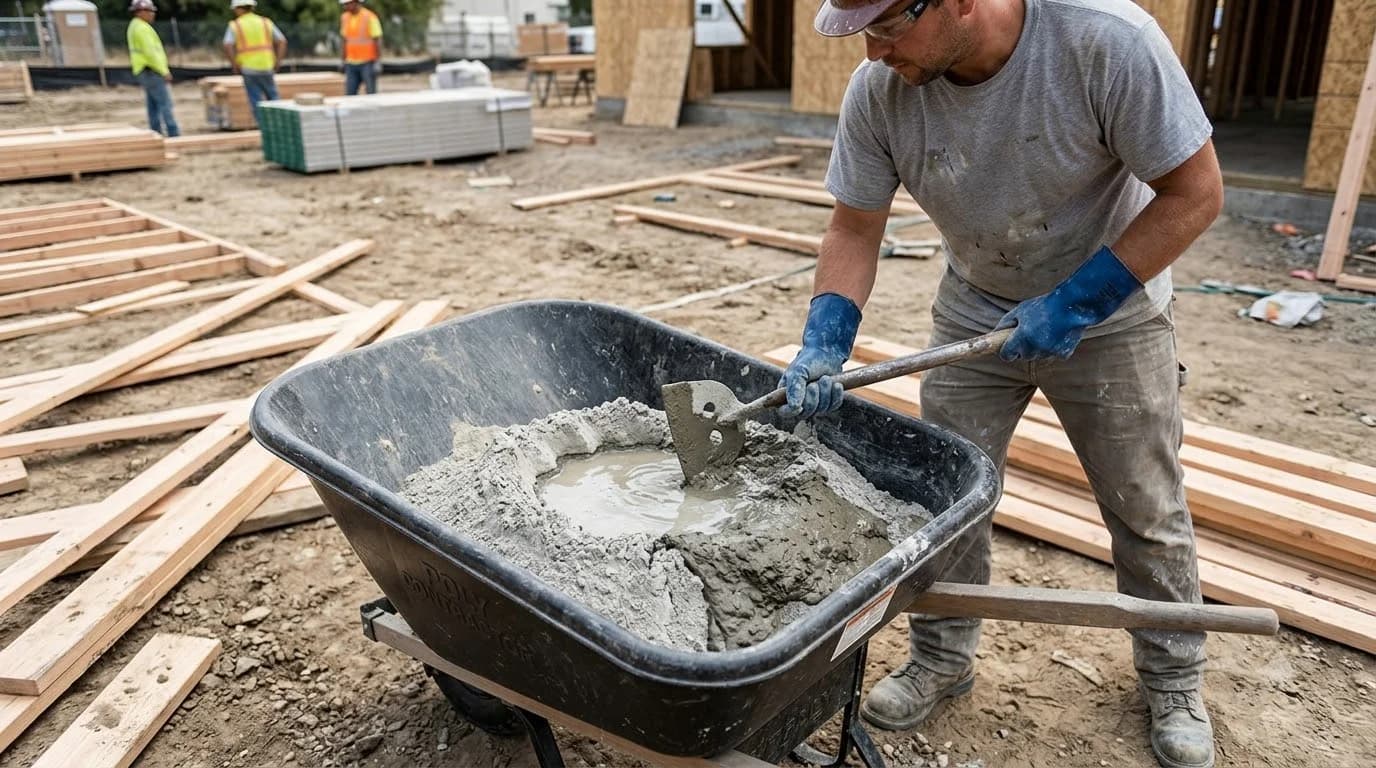
How to Mix Concrete by Hand: Wheelbarrow & Trough Math
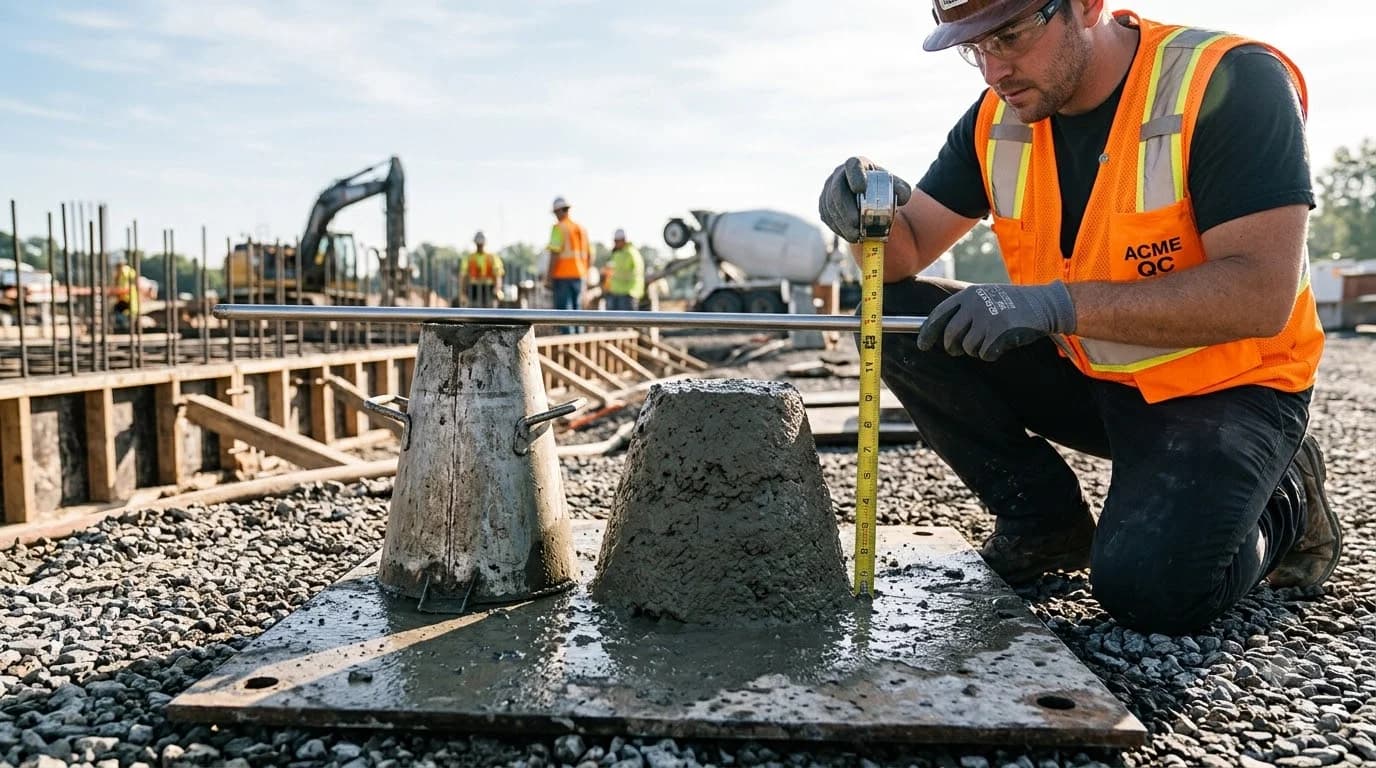
Concrete Slump Test: ASTM C143 Procedures & Values
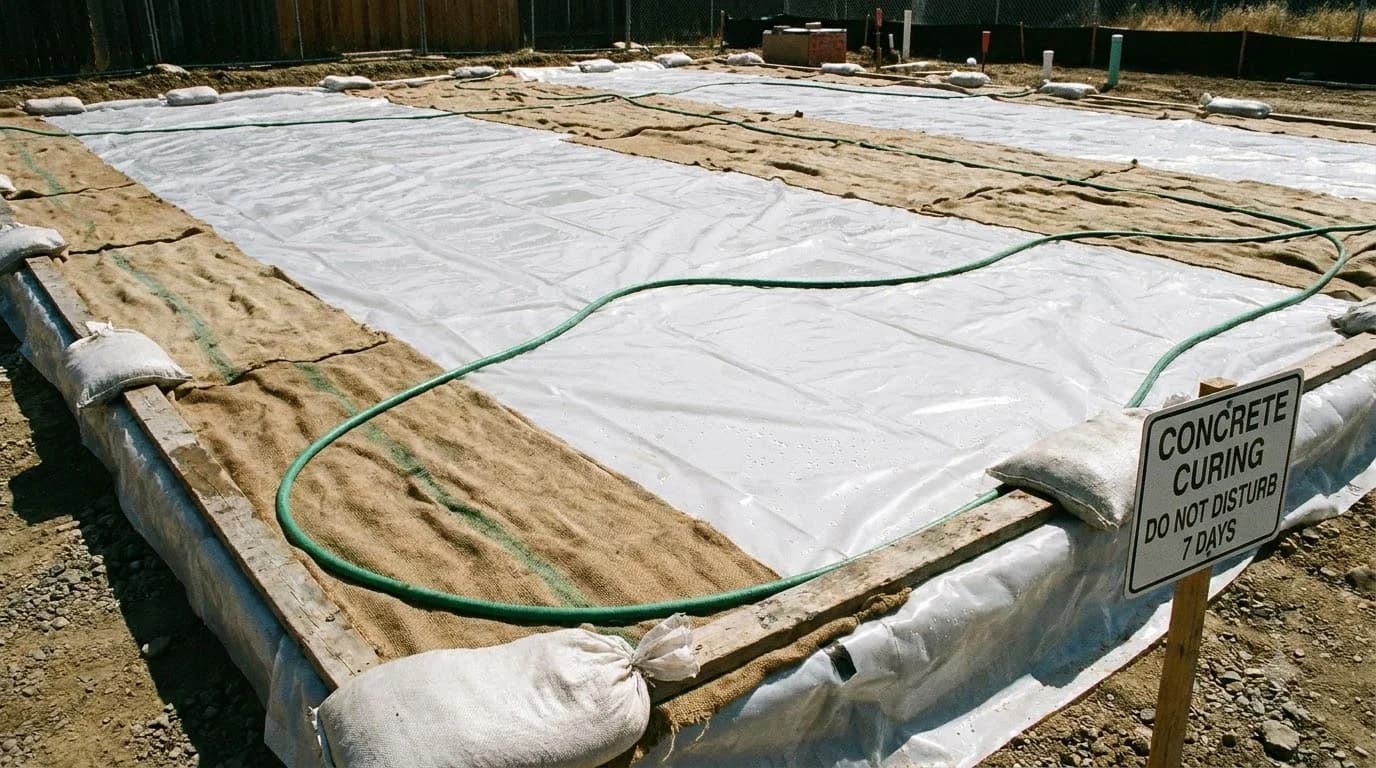
How to Cure Concrete: Wet Curing vs Curing Compounds