Portland Lime Mortar Calculator
Calculate site-mixed 94-lb Portland cement sacks, 50-lb Type S hydrated lime bags, damp masonry sand volume, and water ratios for ASTM C270 Type M, S, N, and O field mortar batches.
ASTM C270 Table 1: Mortar Proportions by Volume
Official proportion specification requirements for field-mixed unit masonry mortar. Proportions are calibrated by loose dry volume where 1 sack of Portland cement equals 1.0 cubic foot.
| Mortar Type | Portland Cement (ASTM C150) | Hydrated Lime (ASTM C207 Type S) | Damp Masonry Sand (ASTM C144) | Min. Compressive Strength (28-day) | Primary Applications |
|---|---|---|---|---|---|
| Type M | 1 part | 1/4 part (0.25) | 2¼ to 3× sum (3.0 – 3.75 parts) | 2,500 psi | Below-grade foundations, heavy retaining walls, manholes, high earth pressure |
| Type S | 1 part | 1/2 part (0.50) | 2¼ to 3× sum (3.38 – 4.5 parts) | 1,800 psi | Structural CMU block walls, seismic design, wind-load shear walls, standard CMU |
| Type N | 1 part | 1 part (1.00) | 2¼ to 3× sum (4.5 – 6.0 parts) | 750 psi | Above-grade exterior walls, brick/stone veneer, chimneys, non-load parapets |
| Type O | 1 part | 2 parts (2.00) | 2¼ to 3× sum (6.75 – 9.0 parts) | 350 psi | Interior non-load partitions, historic masonry restoration, soft brick repointing |
Note: ASTM C270 establishes that sand volume must measure not less than 2¼ times and not more than 3 times the sum of the separate volumes of cementitious materials.
Jobsite Mechanical Paddle Mixer Loading Sequence
To achieve uniform binder dispersion and prevent unhydrated cement or lime balls from sticking to mixer paddles, follow the standardized 4-step sequence compliant with ASTM C270 Section 5.3:
Initial Water & Cushion Sand
Start the mechanical mixer drum. Pour approximately 75% of total mixing water (~4 gallons for a 1-sack Type S batch) into the drum, immediately followed by half of the damp masonry sand (9 shovels). This lubricates the rubber wiper paddles and drum walls.
Charge Cement & Hydrated Lime
Add the full 94-lb sack of Portland cement and the measured 25-lb half bag of ASTM C207 Type S hydrated lime directly into the swirling water-sand bed. Allow the rotating paddles to blend the materials into a rich, clump-free slurry for 60 seconds.
Add Final Sand & Temper Water
Add the remaining half of the damp masonry sand (9 shovels). Gradually add remaining water in small increments while observing mortar consistency until the mix rolls smoothly off the paddle blades with a rich, buttery spread.
Timed 3-to-5 Minute Mechanical Mix
Mix continuously for a minimum of 3 minutes and a maximum of 5 minutes after all materials are in the drum. Mixing under 3 minutes leaves dry pockets; mixing over 5 minutes entrains excess air voids that compromise 28-day compressive strength.
Key Material Standards: Portland, Lime & Sand
Portland Cement (ASTM C150)
Use standard 94-lb bags of ASTM C150 Type I (normal) or Type II (moderate sulfate resistance / heat of hydration). Blended hydraulic cements conforming to ASTM C595 (such as Type IL Portland-limestone cement) are also broadly code-approved under TMS 602.
Type S Hydrated Lime (ASTM C207)
Only Type S (Special) hydrated lime provides the 85% minimum water retention and immediate plasticity needed for blockwork. Never use agricultural lime or Type N lime, which can cause unhydrated magnesium oxide pops in finished masonry joints.
Masonry Sand (ASTM C144)
Aggregate must be clean, natural or manufactured damp masonry sand conforming to ASTM C144 gradation. Concrete coarse sand is too sharp and rocky for bed joints, while fine beach sand lacks structural gradation and causes shrinkage cracking.
Contractor Shovel-to-Volume Conversion Rules
Because jobsite mixers rarely measure bulk sand in volumetric cubic-foot boxes, masons calibrate shovel counts using standard #2 contractor shovels:
- Standard #2 Square-Point Shovel: A moderately heaped #2 shovel contains approximately 0.22 cubic feet of damp loose sand. This equates to 4.5 shovels per 1.0 cubic foot of sand.
- 1-Sack Type S Mortar Batch (4.5 cu ft sand): Requires exactly 18 shovels of damp loose sand with 1 sack Portland cement and 0.5 bag hydrated lime.
- Moisture Bulking Factor: Sand containing 4% to 6% surface moisture bulks in volume by up to 25% compared to bone-dry sand. ASTM C270 volumetric proportioning accounts for this damp loose jobsite condition.
- Round-Point Shovels: Round-point shovels carry 10% to 15% less sand per scoop than square-point spades. If using round-point shovels, increase count from 18 to 20 shovels per 1-sack Type S batch.
Illustrative Material Planning Costs
Planning cost benchmarks for site-mixed raw ingredients across US building material suppliers. Delivery, pallet deposits, and local taxes are excluded:
Pricing figures are illustrative planning benchmarks only. Always verify current prices with a dated local supplier quote before placing jobsite purchase orders.
Material estimates depend on the selected dimensions, product yields, and waste allowance.
Portland & Lime Mortar Proportions FAQ
Expert contractor answers on ASTM C270 batch ratios, lime types, shovel counts, and CMU block wall mortar requirements.
Popular Quick Estimates
Illustrative takeoffs with stated assumptions; verify project quantities
Type S Mortar Bags
Example 30 blocks per 80-lb bag; check product yield
Cinder Blocks for a 10x10 Wall: Exact Count & Mortar Math
Standard residential yard & garden wall run
1000 Sq Ft Sizing
High-volume logistics & bulk pallet freight
Cinder Block Grout Calculator: Cubic Yards & Bag Math
Example: 0.22 ft³ cores × 1/6 fill; excludes waste
Related Calculators
Specialized tools for foundation, core fill, and budgeting
Mechanical paddle mixer shovel counts, cement bags and water gallons
Type S and M bags, cubic feet and batching sand volume
Preblended ASTM C91 masonry cement 70-lb bags, ASTM C144 sand, and water ratios
Repointing mortar bags, raked joint linear feet, diamond grinding blades, and labor
Blogs & Construction Guides
Practical guides to block sizing, material estimates and project planning
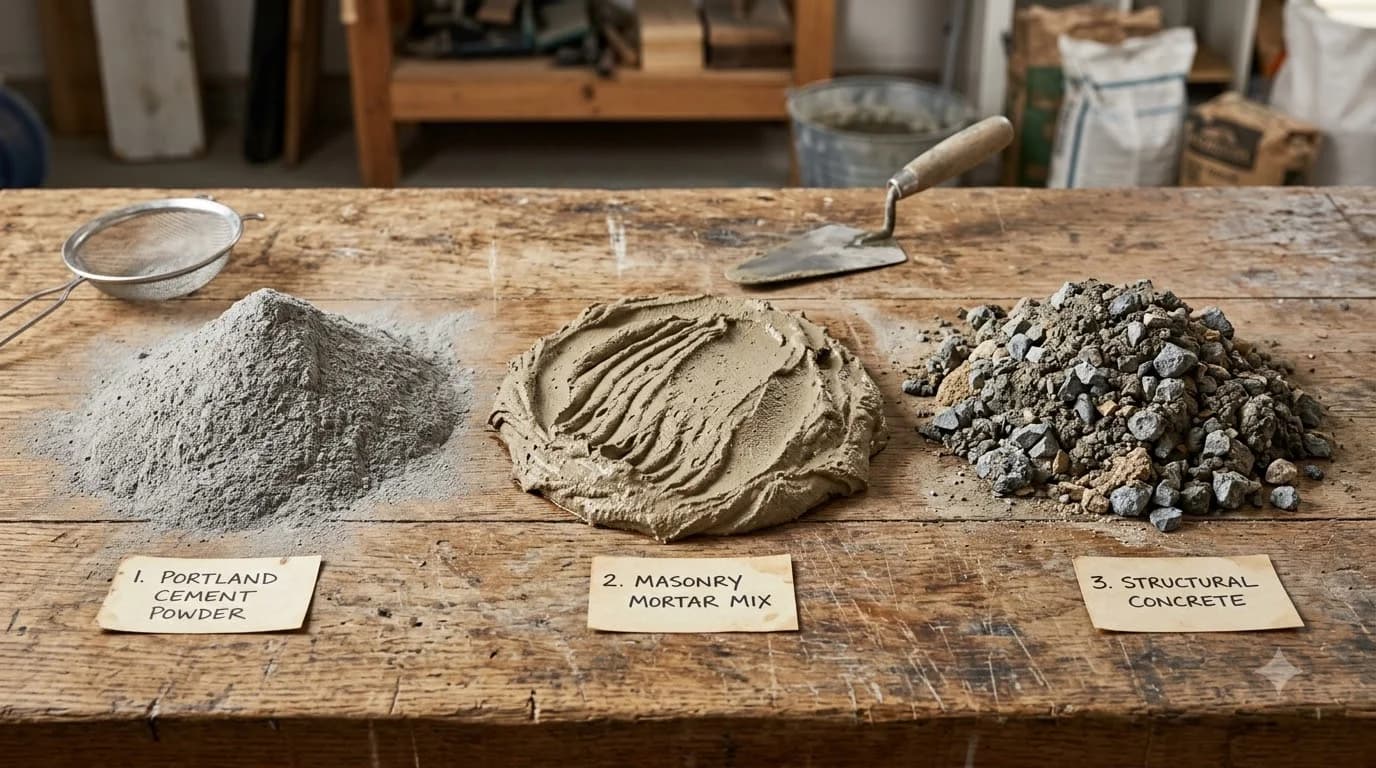
Concrete vs Cement vs Mortar: Key Differences & Mixes
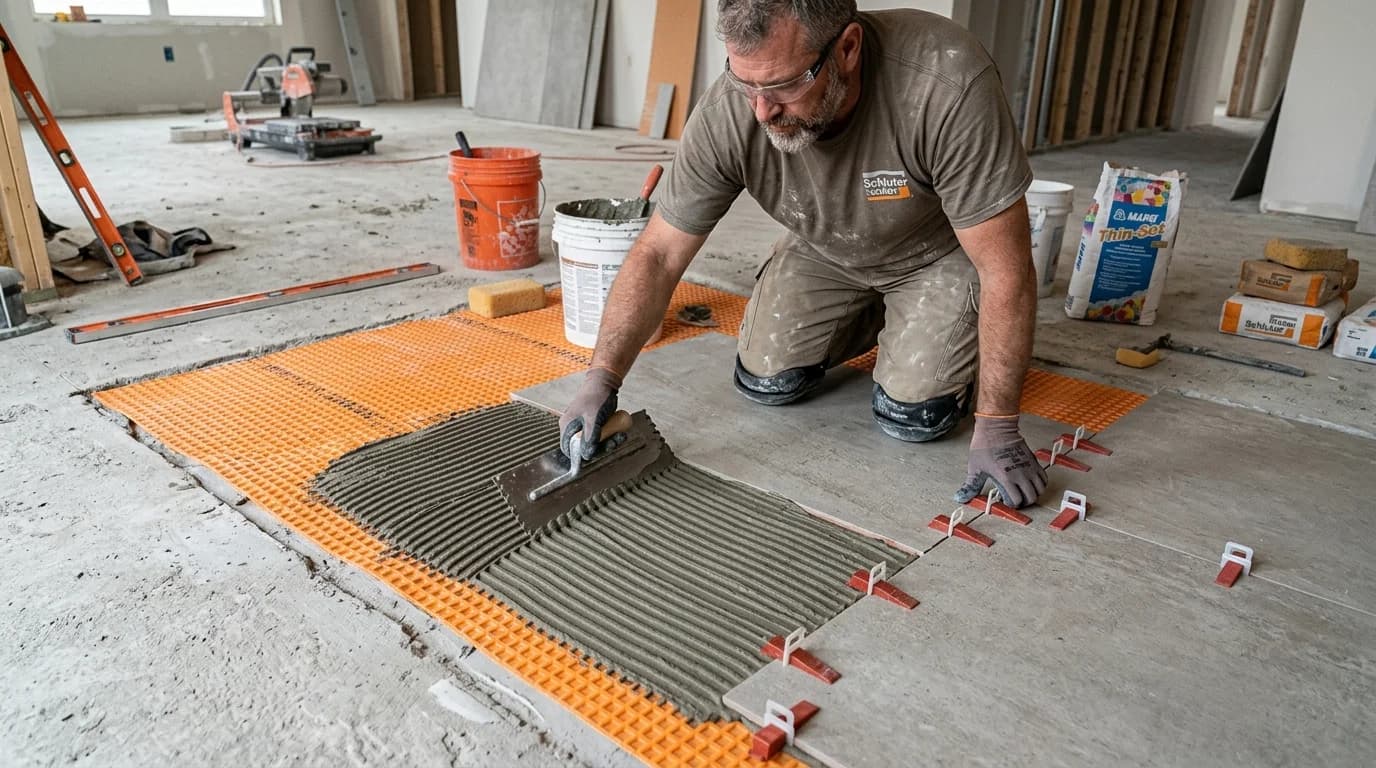
How to Lay Tile on a Concrete Slab: Thinset & Prep Guide
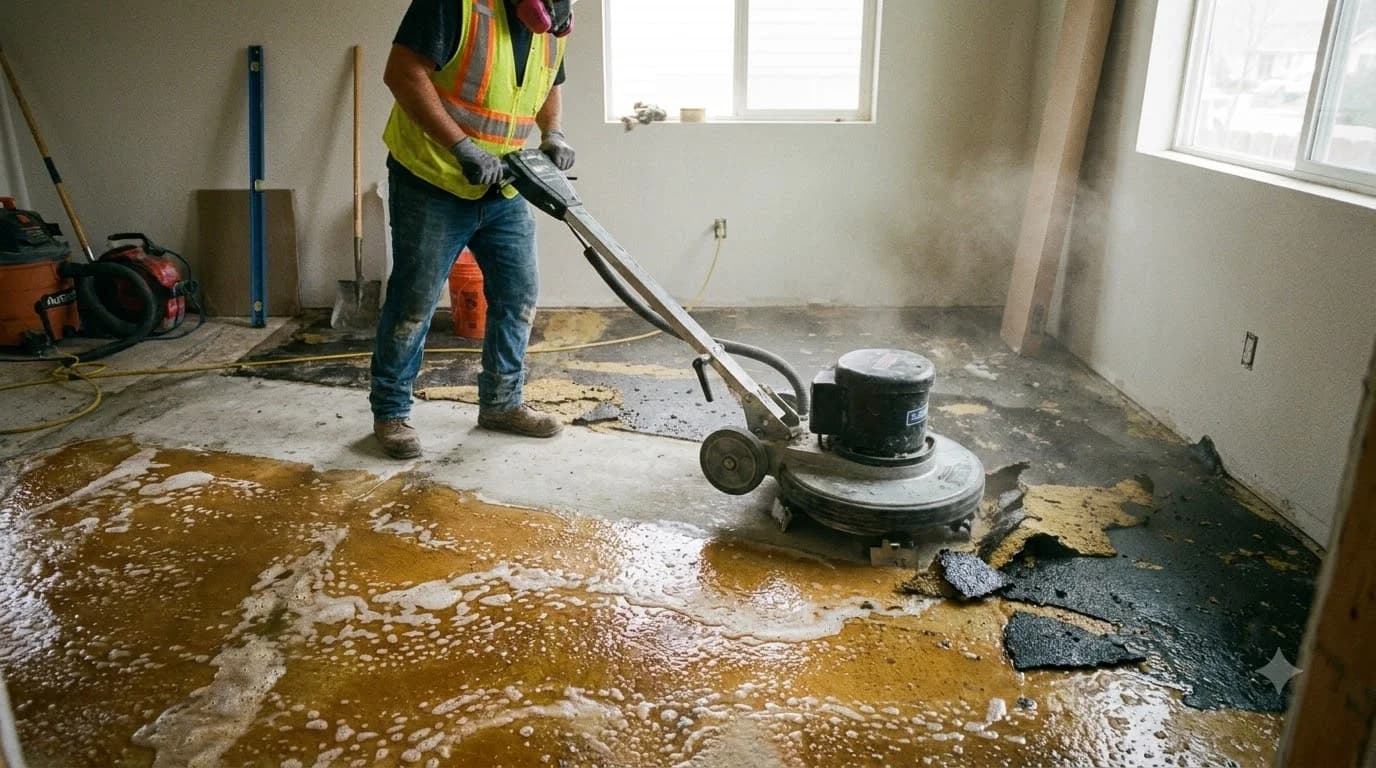
How to Remove Carpet Glue & Mastic from Concrete Slabs