1. The Toxicity Myth: Vintage Cinders vs. Modern Concrete
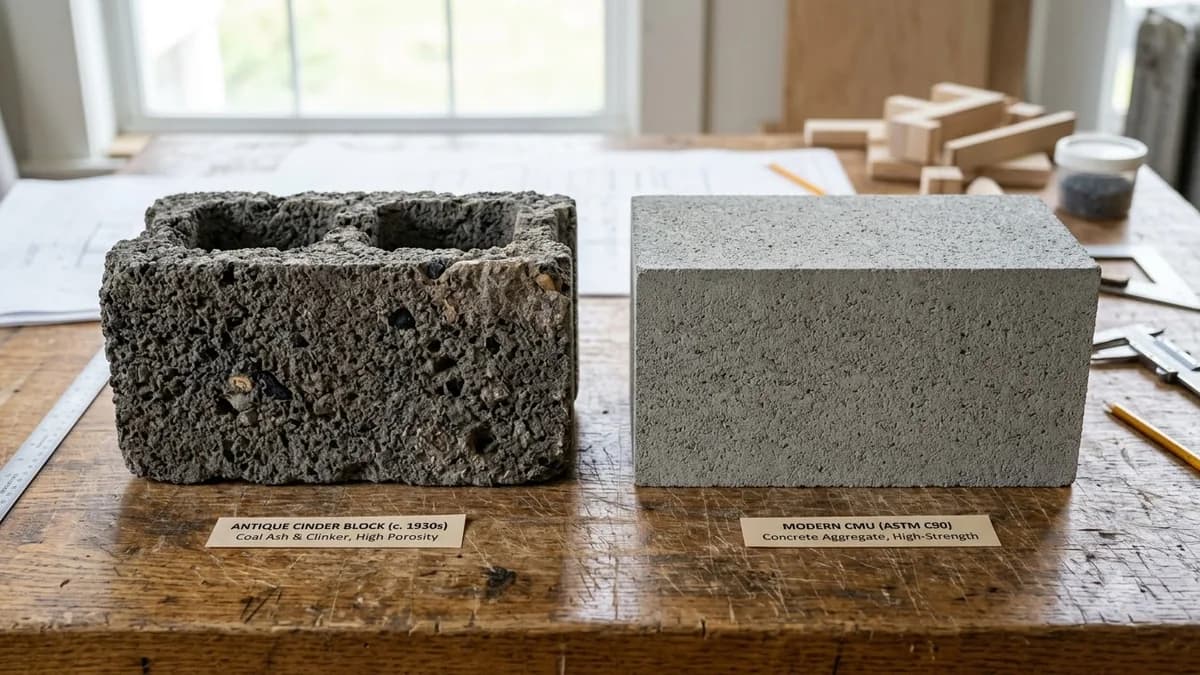
The persistent internet rumors regarding cinder block toxicity stem from historical nomenclature. To understand the safety reality, you must distinguish between antique blocks and modern store inventory:
True "Cinder" Blocks
Manufactured throughout the early 20th century using industrial coal combustion residue (cinders and fly ash). These historic blocks could contain trace concentrations of heavy metals such as arsenic, mercury, lead, and cadmium. Do not use salvaged vintage blocks from demolished 1940s buildings for root vegetable gardening.
ASTM C90 Concrete Masonry Units (CMU)
Today, "cinder block" is merely a colloquial slang term. All units sold at Home Depot, Lowe's, and building supply yards are concrete blocks made exclusively from Portland cement, crushed gravel, sand, and water. They are non-toxic, chemically stable, and completely inert in garden soil.
2. Soil Chemistry: Does Concrete Affect Soil pH?
While modern blocks do not leach heavy metals, fresh concrete is slightly alkaline due to calcium hydroxide generated during the cement curing process. Here is what that means for your plants:
Neutral to Alkaline Lovers (Thrive)
Vegetables like tomatoes, peppers, brassicas (cabbage, kale, broccoli), squash, and beans prefer a slightly neutral to alkaline pH of 6.5 to 7.5. The minute calcium release from concrete actually helps prevent blossom-end rot in tomatoes by providing supplemental calcium.
Acid Lovers (Keep Away)
Acid-loving crops like blueberries, azaleas, and strawberries prefer acidic soil (pH 4.5 to 5.5). If planting blueberries, either coat the interior block walls with an organic masonry sealer or line the bed with heavy-duty polyethylene plastic to prevent calcium migration.
3. The Superpower of Cinder Blocks: Core Hole Micro-Planters
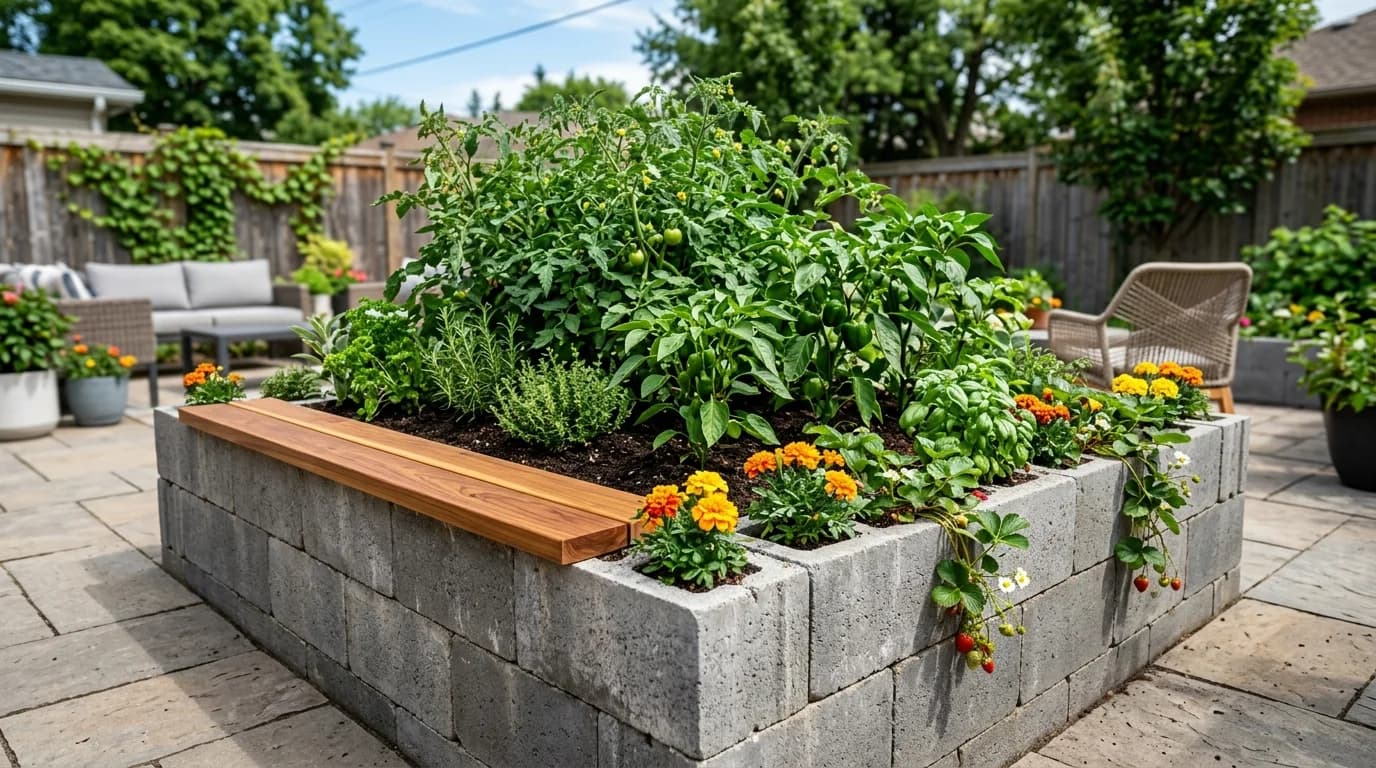
The greatest architectural advantage of using 8x8x16 cinder blocks over timber boards is the perimeter core holes. Every block gives you two 5x5-inch separate planting cells:
Fill the perimeter holes with potting mix and plant rosemary, thyme, oregano, and chives right at waist height.
Plant bright orange French marigolds and nasturtiums in the corner cells to naturally repel aphids and hornworms.
Planting strawberries in the top holes lets the runners drape neatly over the concrete sides, keeping berries clean and off wet dirt.
4. DIY Build Plan & Materials (Standard 4x8 Ft Bed)
A 4-foot wide by 8-foot long by 16-inch high raised garden bed (2 courses high) is the gold standard ergonomic size, allowing you to reach the center from either side without stepping into the bed and compacting the soil:
| Material | Quantity | Unit Cost (2026) | Total Cost |
|---|---|---|---|
| Standard 8x8x16 Hollow CMUs | 24 blocks (12 per course) | $2.35 each | $56.40 |
| Geotextile Weed Barrier / Fabric | 1 roll (4x50 ft) | $18.00 | $18.00 |
| Organic Raised Bed Soil Mix | 1.2 cubic yards (32 cu ft) | $8.50 per 2-cu-ft bag | $136.00 |
| Wood Top Cap Planks (Optional) | 4 cedar 2x8 boards (bench seating) | $14.00 each | $56.00 |
| Total Turnkey Budget | Complete 4x8x16" Bed | — | $210 – $266 |
Need to calculate soil volume and blocks for your garden bed?
Use our garden bed calculator to determine block counts, cubic yards of potting soil, and compost bags.
Frequently Asked Questions
Are modern cinder blocks safe for growing edible vegetables?
Yes. Modern concrete blocks sold at Home Depot, Lowe's, and masonry yards are Concrete Masonry Units (CMUs) manufactured under ASTM C90 using Portland cement, sand, and stone aggregate. They contain no toxic coal cinders. Agricultural extension research from Iowa State University confirms that modern concrete blocks are completely safe for food crops.
Do cinder blocks leach harmful chemicals or heavy metals into garden soil?
Extensive testing by the EPA and university agricultural labs confirms that any heavy metals bound within bonded Portland concrete are encapsulated in an insoluble crystalline silicate matrix. They do not leach into neutral or slightly acidic garden soils in concentrations that could be absorbed by vegetable root systems.
Should you line the inside of a cinder block garden bed?
While not chemically necessary for modern blocks, lining the interior walls with breathable non-woven geotextile landscape fabric or food-grade polyethylene is an excellent horticultural practice. It prevents fresh concrete from wicking moisture out of dry soil in summer and keeps soil from spilling through mortarless block seams.
Can you plant herbs directly inside the cinder block core holes?
Yes! One of the biggest advantages of cinder block garden beds is using the open 5x5-inch core cavities as individual micro-planters. They are ideal for shallow-rooted herbs like basil, thyme, cilantro, and chives, as well as companion flowers like marigolds that naturally repel garden pests.
Building Codes & Primary Standards Cited
Standard Specification for Loadbearing Concrete Masonry Units
Governs modern non-toxic aggregate and cement composition criteria for retail concrete blocks.
Environmental Protection Agency - Solid Waste & Concrete Standards
Certifies Portland concrete aggregate encapsulation safety standards for residential agricultural environments.
University Agricultural Extension Service - Raised Bed Gardening Guidelines
Guidelines on soil depth, drainage, root aeration, and container toxicity evaluations.
Estimations adhere to standard North American modular 3/8-inch mortar joint physics and 5% to 10% material waste factors. Local municipal building inspectors, stamped architectural blueprints, and local frost depth requirements supersede general reference guidelines.
Popular Quick Estimates
Pre-engineered takeoffs & benchmarks matched to this project
Related Calculators
Specialized tools for foundation, core fill, and budgeting
Raised planter beds, soil cubic yards and cap blocks
Low garden borders, decorative walls and perimeter runs
Straight and multi-wall runs with mortar and waste allowances
Standard 8-inch series wall and reinforcement estimates
Blogs & Construction Guides
Technical articles, IRC code standards, rebar schedules & freight logistics
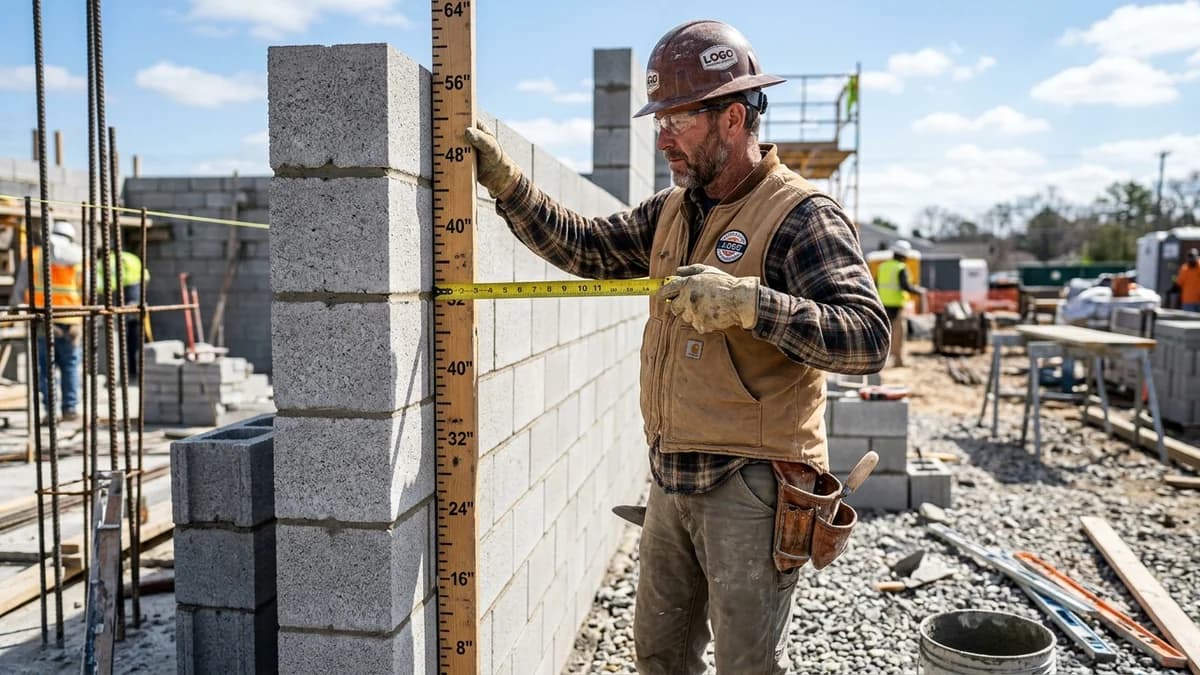
How Tall is a Cinder Block? (Actual vs. Nominal Height)
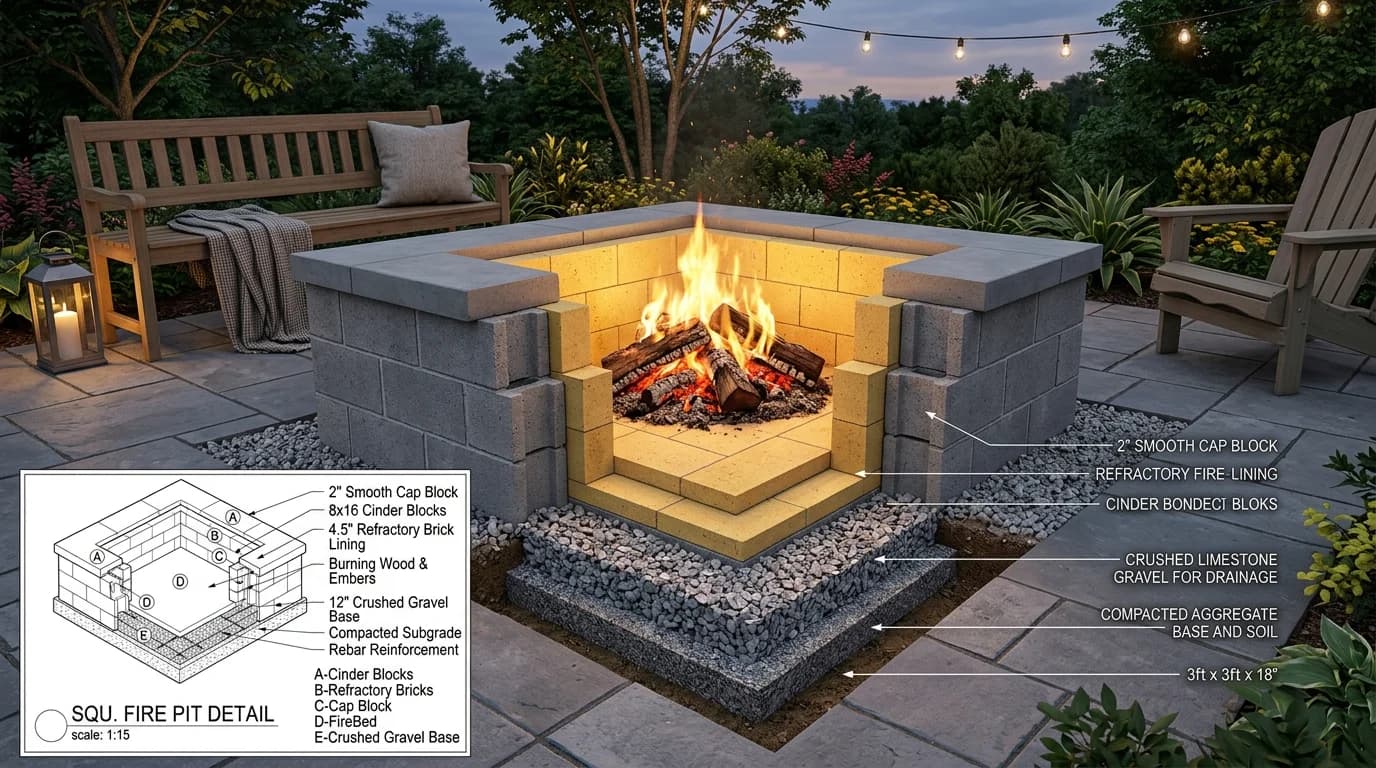
Can You Build a Fire Pit with Cinder Blocks? (Safety & Plans)
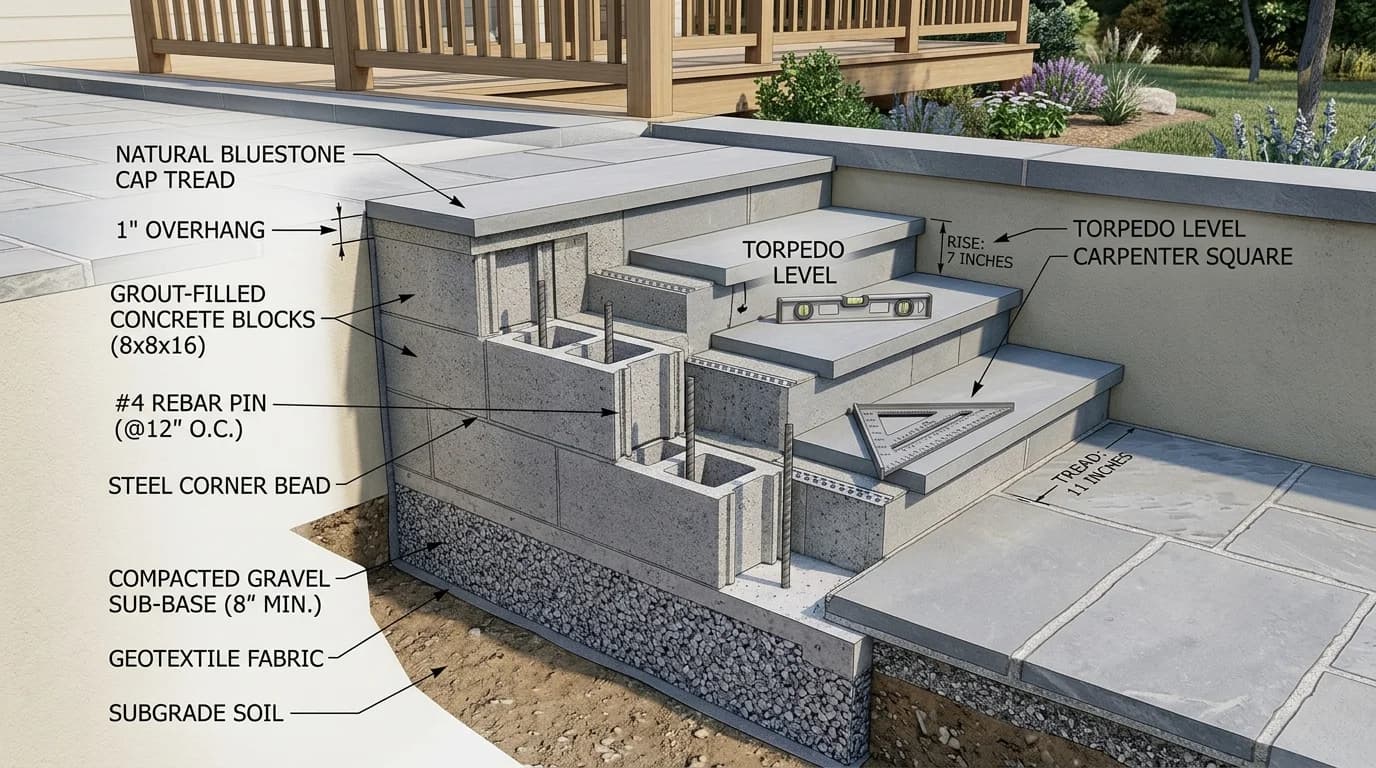
How to Build Outdoor Cinder Block Steps & Stairs