1. ASTM C138: How Concrete Density Is Tested and Calculated
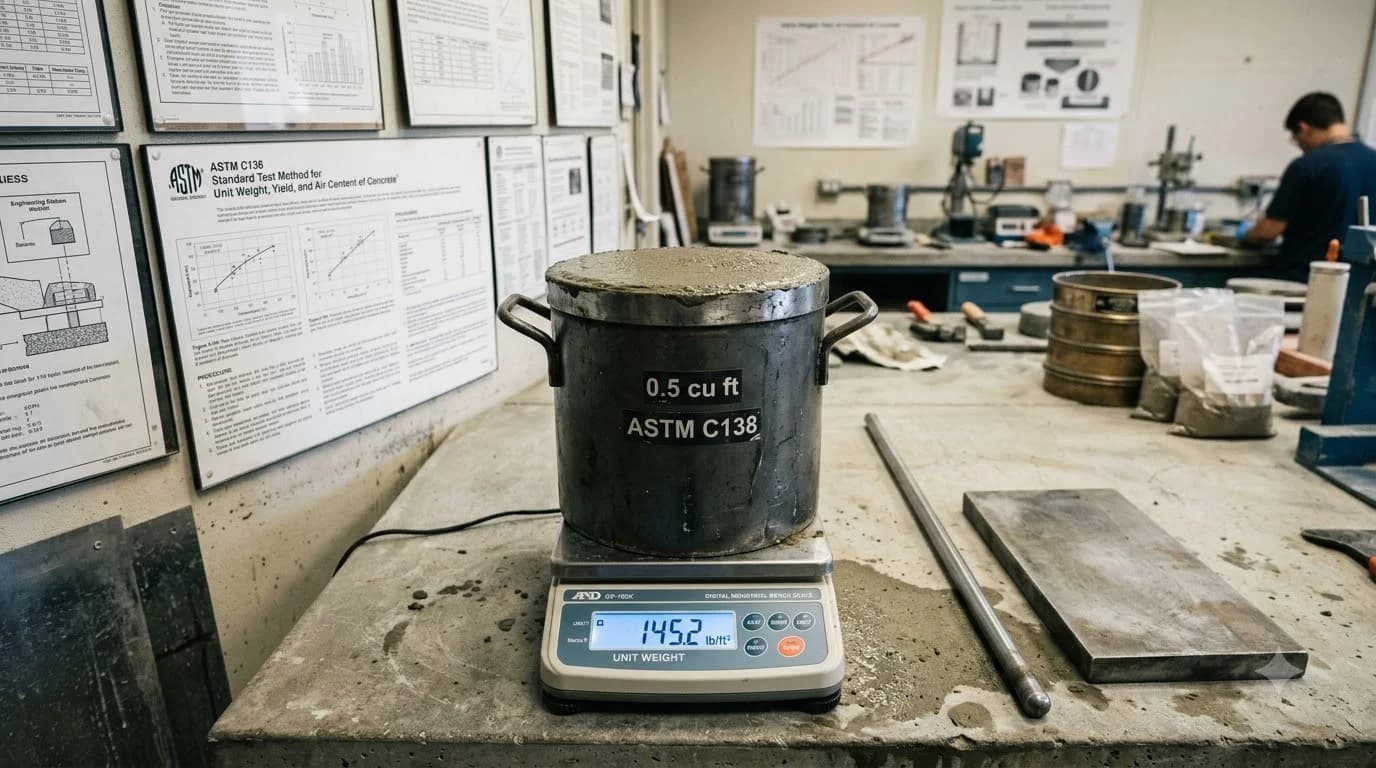
In North American construction, concrete density—termed unit weight—is measured in accordance with ASTM C138("Standard Test Method for Density, Yield, and Air Content of Concrete").
A technician fills a rigid, machined metal cylindrical container of known volume (typically 0.25 or 0.50 cubic feet) with fresh concrete in three equal layers. Each layer is consolidated with 25 strokes of a 5/8-inch hemispherical tamping rod and tapped with a rubber mallet to release entrapped air voids. The container is struck off flush with a precision glass or steel plate and weighed on an electronic scale.
2. Master Concrete Density & Weight Classification Matrix
Compare the five primary classifications of concrete, from aerated cellular mixes up to radiation shielding concrete:
| Classification | Aggregate Type | Density (lb/cu ft) | Density (kg/m³) | Weight per Cu Yd |
|---|---|---|---|---|
| Cellular / Insulating | Preformed foam, perlite, vermiculite | 30 – 80 lbs | 480 – 1,280 kg | 810 – 2,160 lbs |
| Structural Lightweight | Expanded shale, slate, clay (ASTM C330) | 90 – 115 lbs | 1,440 – 1,840 kg | 2,430 – 3,105 lbs |
| Plain Normal-Weight | Natural gravel, crushed limestone, granite | 140 – 148 lbs | 2,240 – 2,370 kg | 3,780 – 3,996 lbs |
| Reinforced Concrete | Crushed stone + steel rebar (ACI 318) | 150 lbs | 2,403 kg | 4,050 lbs |
| Heavyweight Shielding | Barite, magnetite, hematite, steel punchings | 180 – 300+ lbs | 2,880 – 4,800 kg | 4,860 – 8,100+ lbs |
3. Concrete Slab Dead Load by Thickness (PSF Reference)
When calculating structural dead loads for foundations, elevated decks, joists, and formwork shoring, use these exact per-square-foot values based on 150 lbs/cu ft reinforced concrete:
4. Five Critical Density Calculation Mistakes
1. Ignoring Steel Weight in Suspended Beams
Assuming 145 lbs/cu ft instead of 150 lbs/cu ft in heavily reinforced bridge girders or transfer slabs understates dead load by thousands of pounds, compromising safety factors.
2. Pouring Normal Concrete on Elevated Wood Decks
Homeowners attempting to pour a 2-inch concrete cap over an elevated wooden patio deck overlook that a 12' × 16' deck will support 4,000 lbs of dead weight, causing structural joist sag or collapse.
3. Overloading Formwork Shoring
Formwork carpenters must design shoring for fresh wet concrete (150 lbs/cu ft) PLUS live construction loads (50 PSF for pump hoses and crews) per ACI 347. Shoring based on dry weight collapses during placement.
4. Confusing Cinder Block and Poured Concrete Density
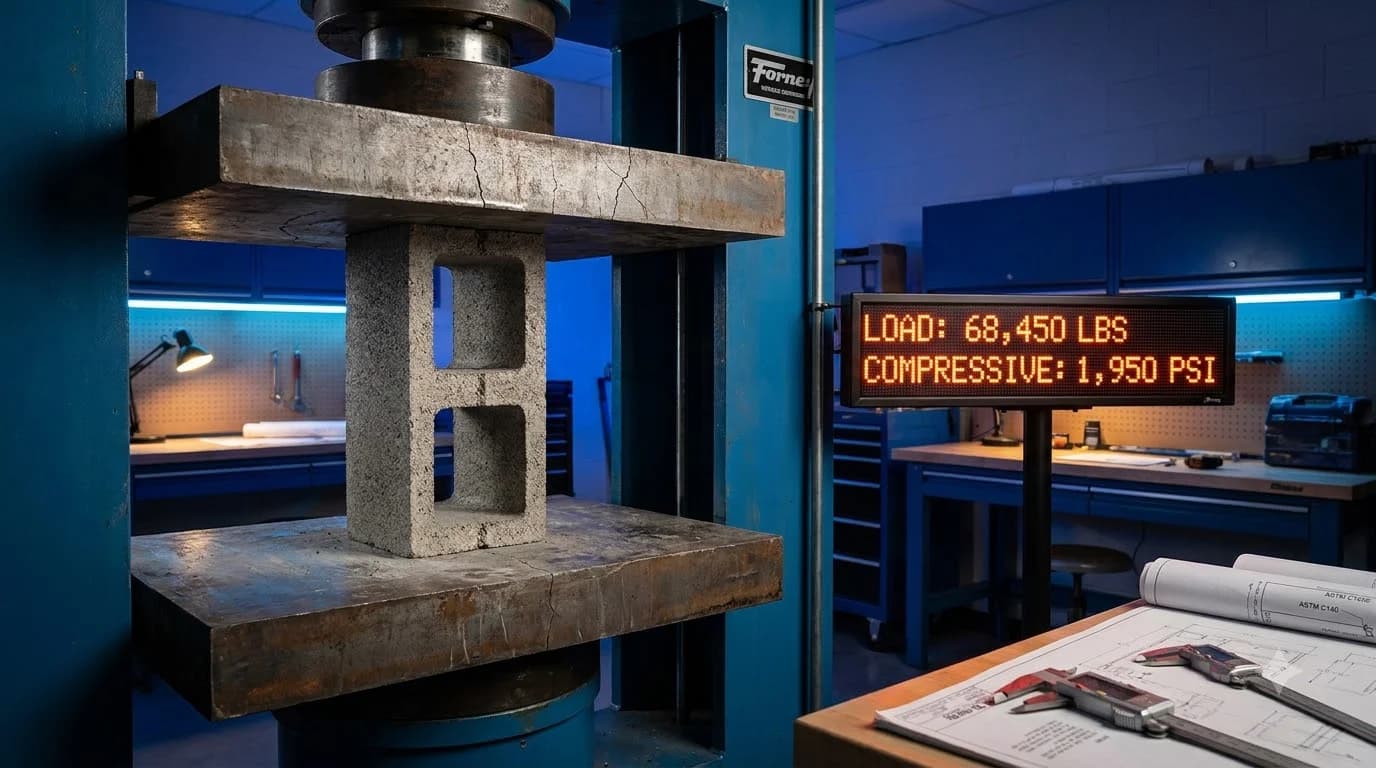
A hollow 8x8x16 concrete masonry unit (CMU) has roughly 48% to 52% hollow core volume. Estimating wall weight based on solid cubic feet overestimates foundation requirements by nearly double.
5. Real-World Calculation: Crane Rigging a Precast Concrete Slab
A crane operator must select the correct sling capacity to lift a precast reinforced concrete vault lid measuring 8 feet wide, 12 feet long, and 6 inches thick:
- Surface Area: 8 ft × 12 ft = 96 sq ft
- Thickness: 6 inches = 0.50 ft
- Total Volume: 96 × 0.50 = 48.0 cubic feet
- Reinforced Concrete Density: 150 lbs per cubic foot
- Total Dead Weight: 48.0 cu ft × 150 lbs/cu ft = 7,200 lbs (3.60 tons)
- OSHA Rigging Safety Factor (minimum 2.0×): Rigging gear must be rated for at least 14,400 lbs.
6. Aggregate Specific Gravity & Air Entrainment Physics
The ultimate density of any concrete mix is fundamentally determined by the bulk specific gravity of its mineral aggregates (ASTM C127 for coarse aggregate, ASTM C128 for fine aggregate) and total air content:
Aggregate Specific Gravity
Standard limestone and quartz river gravel possess specific gravities of 2.60 to 2.70. Granite averages 2.65 to 2.80, while trap rock and basalt reach 2.80 to 3.00, yielding heavier concrete mixes (152+ lbs/cu ft).
Air Entrainment Rule
For exterior freeze-thaw durability, ASTM C260 air-entraining admixtures introduce 4% to 7% microscopic air voids. As a fundamental rule of thumb, every 1% increase in entrained air reduces concrete unit weight by roughly 1.5 lbs/cu ft.
Theoretical Maximum Density
Air-free theoretical unit weight (zero void content) is calculated during mix design. Comparing fresh unit weight against theoretical density confirms whether field consolidation and slump were properly achieved.
7. Engineering Conversion Factors: Customary to Metric
Civil engineers frequently convert density specifications between US Customary Units and International SI Metric Units. Keep these exact mathematical conversion constants at hand:
Frequently Asked Questions
Why does reinforced concrete weigh more than plain concrete?
Reinforced concrete includes structural steel rebar or wire mesh. Carbon steel has a massive density of approximately 490 lbs per cubic foot (more than 3.3 times denser than concrete paste). Structural engineers and ACI 318 specify an industry-standard allowance of 150 lbs/cu ft for reinforced concrete (adding 5 lbs/cu ft over the 145 lbs/cu ft unreinforced baseline).
How much does a 4-inch concrete slab weigh per square foot?
A 4-inch (0.333-foot) thick reinforced concrete slab weighs exactly 50.0 lbs per square foot (0.333 ft × 150 lbs/cu ft = 50.0 lbs/sq ft). For unreinforced plain concrete at 145 lbs/cu ft, a 4-inch slab weighs 48.3 lbs per square foot.
Does concrete lose weight as it cures over 28 days?
Yes. Freshly placed wet concrete loses roughly 2% to 4% of its initial mass as uncombined evaporable bleed water exits the capillary pores into the atmosphere. A normal-weight mix placed at 148 lbs/cu ft wet typically stabilizes at 142 to 145 lbs/cu ft in its long-term dry service equilibrium.
What is the difference between normal weight and structural lightweight concrete?
Normal-weight concrete uses natural crushed stone and river gravel, weighing 140 to 150 lbs/cu ft. Structural lightweight concrete (ASTM C330) substitutes expanded shale, clay, or slate aggregates, reducing total unit weight down to 90 to 115 lbs/cu ft while still delivering 3,000 to 5,000 PSI compressive strength.
What is heavyweight radiation shielding concrete?
Governed by ASTM C637, heavyweight concrete incorporates high-density natural or manufactured aggregates such as barite, magnetite, hematite, or steel punchings. It achieves densities ranging from 180 to over 300 lbs per cubic foot, primarily used in hospital radiation therapy vaults and nuclear containment facilities.
Building Codes & Primary Standards Cited
Standard Test Method for Density (Unit Weight), Yield, and Air Content of Concrete
The authoritative American standard for measuring fresh concrete mass and volumetric yield.
Building Code Requirements for Structural Concrete
Establishes dead load structural design values including 150 lb/cu ft for reinforced concrete.
Standard Specification for Lightweight Aggregates for Structural Concrete
Governs manufactured expanded aggregates utilized in structural lightweight mixes.
Standard Specification for Aggregates for Radiation-Shielding Concrete
Defines high-density mineral aggregates such as barite, magnetite, and limonite.
Estimations adhere to standard North American modular 3/8-inch mortar joint physics and 5% to 10% material waste factors. Local municipal building inspectors, stamped architectural blueprints, and local frost depth requirements supersede general reference guidelines.
Popular Quick Estimates
Pre-engineered takeoffs & benchmarks matched to this project
Related Calculators
Specialized tools for foundation, core fill, and budgeting
Dry block weight, filled core weight and hauling loads
Surface area converted into standard 8x8x16 block totals
Direct wall dimensions with window and door deductions
Commercial load-bearing concrete masonry units
Blogs & Construction Guides
Technical articles, IRC code standards, rebar schedules & freight logistics
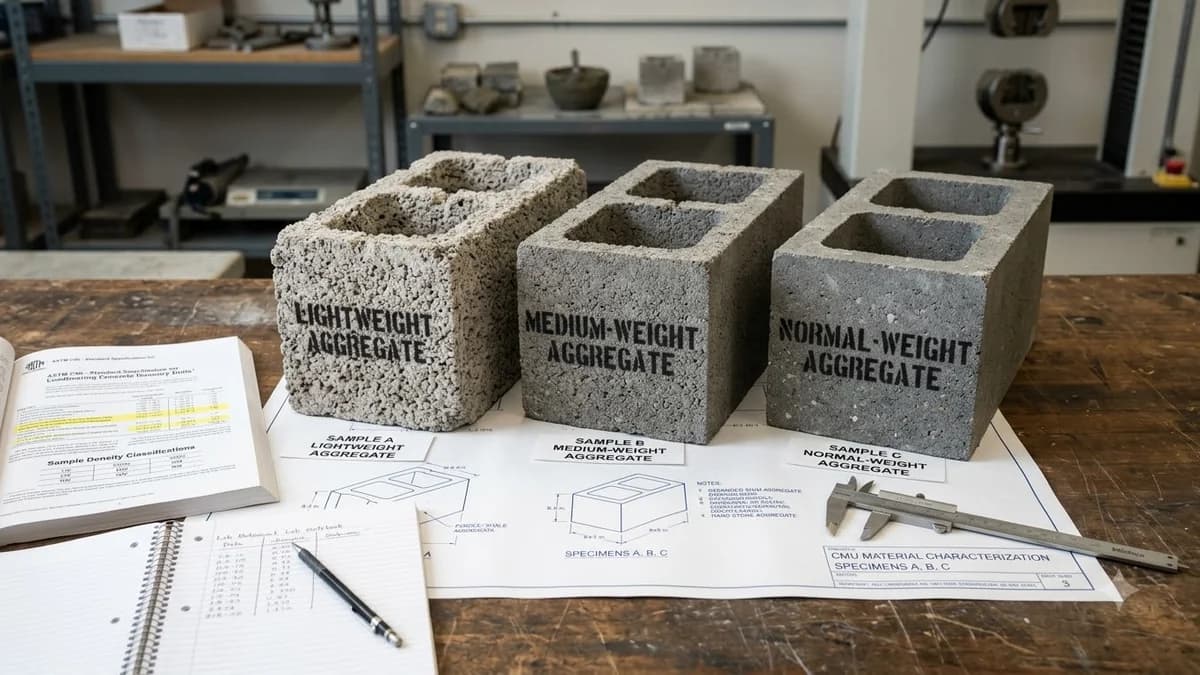
CMU Weight & Density Classes: ASTM C90 Concrete Blocks
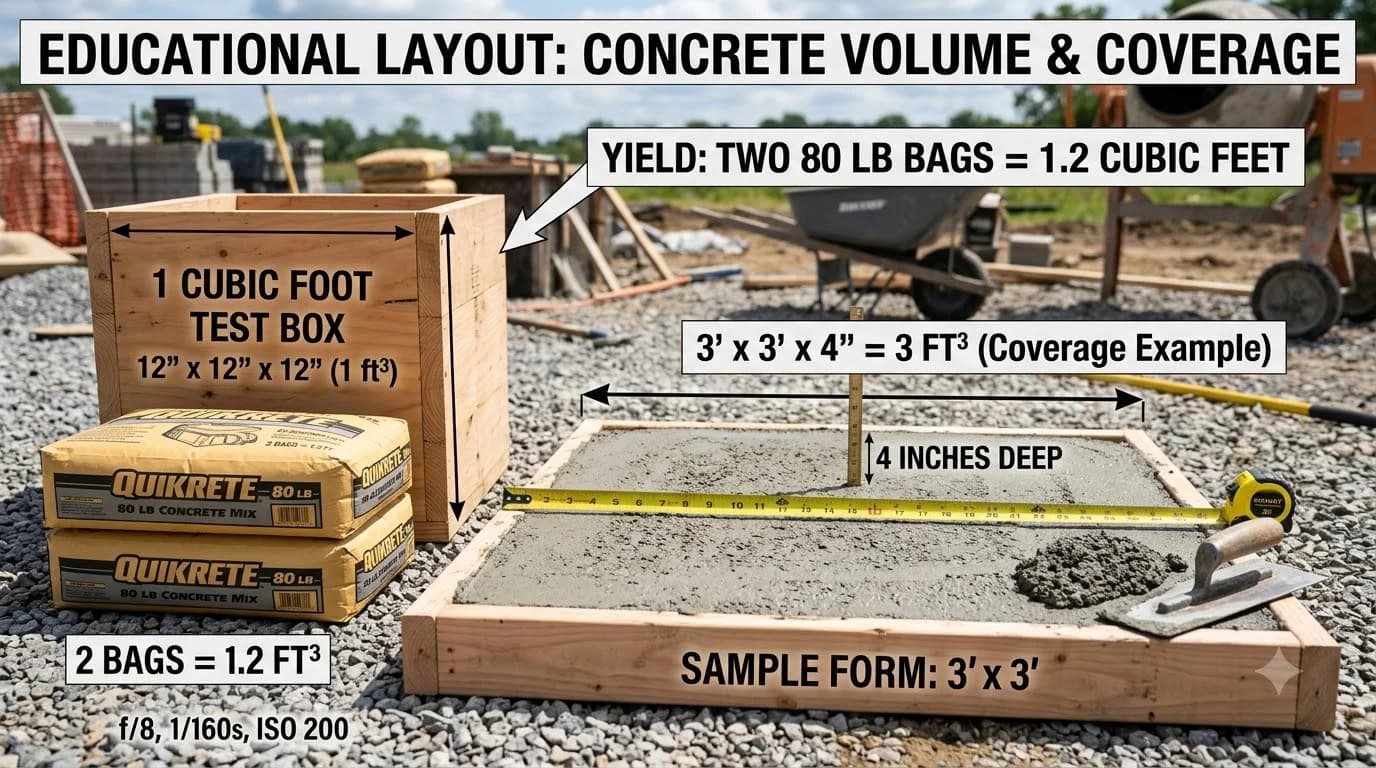
How Many Cubic Feet in a Bag of Concrete? (2026 Yield)
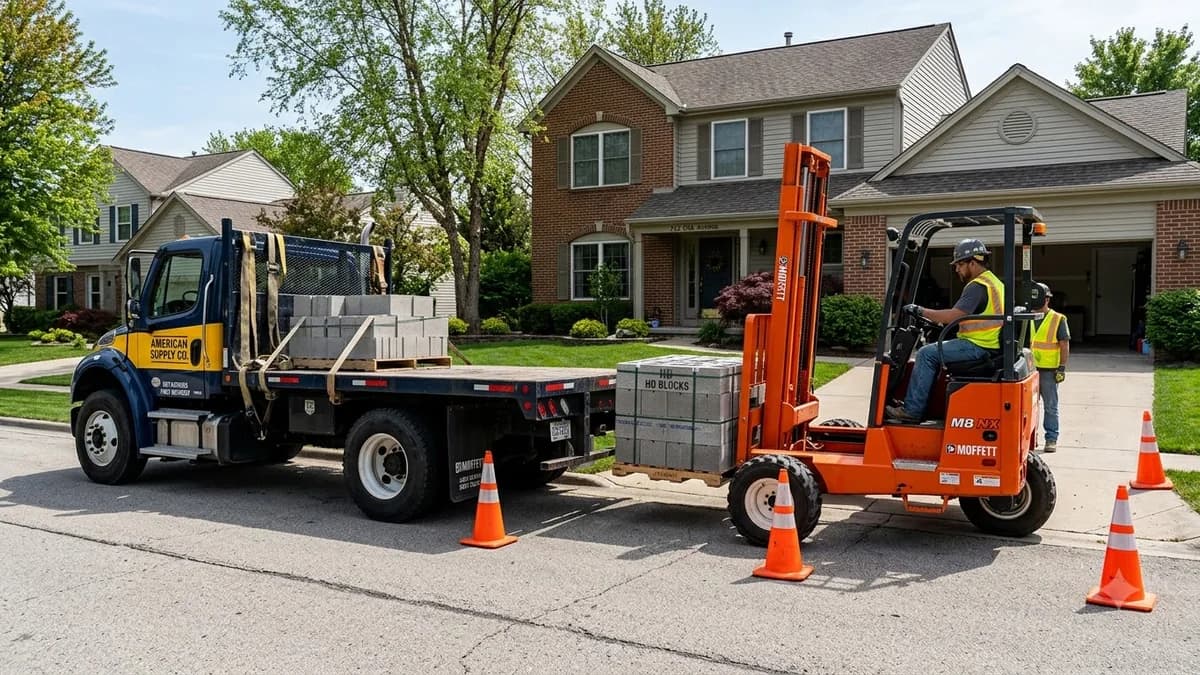
Cinder Block Pallet Weight & Truck Hauling Guide