1. The Weight Reality: Why Disposal Gets Expensive
Before choosing a disposal method, you must understand the sheer physical weight of concrete masonry (view weight density chart):
2. The 5 Ways to Get Rid of Cinder Blocks
List on Craigslist "Free" or Facebook Marketplace
Take a clear photo of your stack of cinder blocks, state "Clean cinder blocks, free for pickup, you haul," and provide your cross-streets. Intact 8x8x16 blocks retail for nearly $3.00 each at Home Depot. Gardeners building raised vegetable beds and homeowners building fire pits will gladly load them into their own trucks and haul them away within hours.
Drop Off at a Concrete & Aggregate Recycling Yard
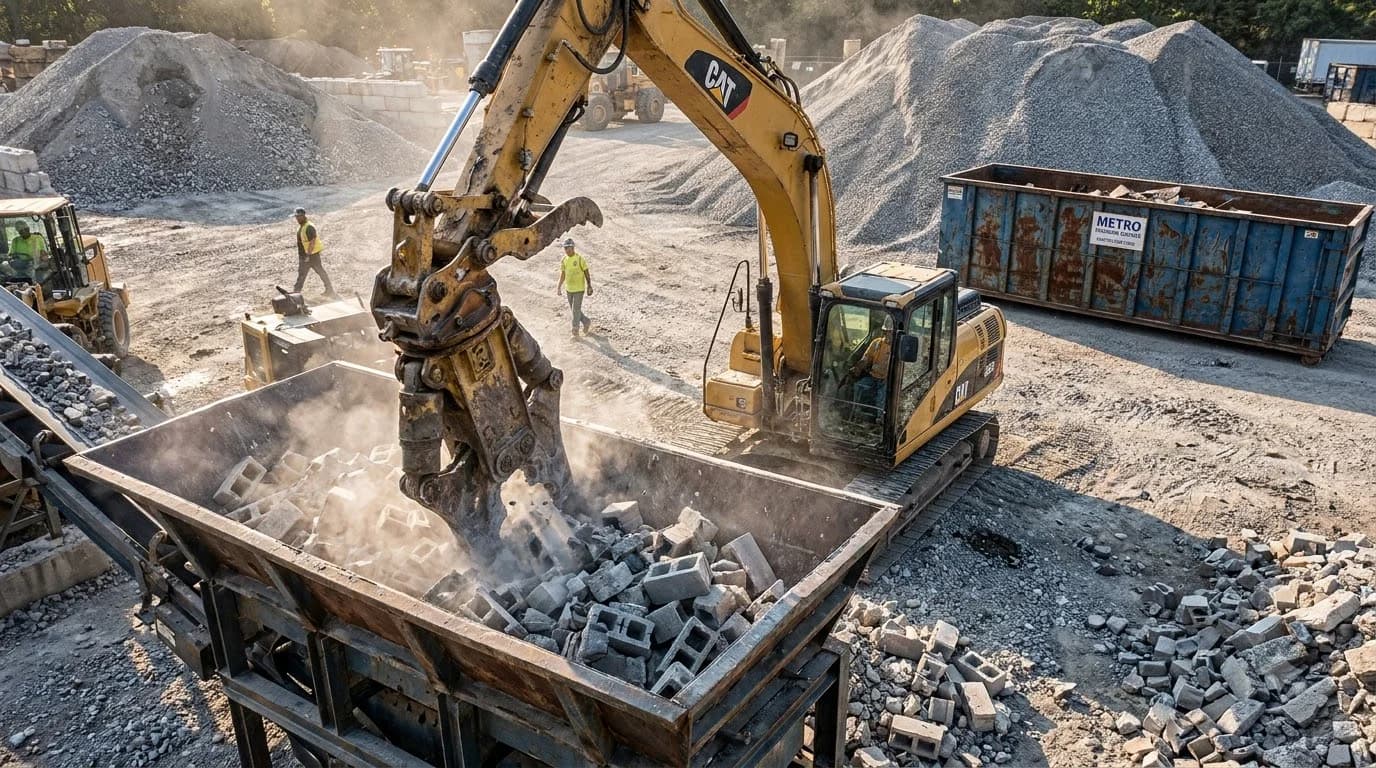
Search Google Maps for "Concrete recycling," "Crushed aggregate," or "Clean rubble processing." These industrial facilities accept unreinforced concrete and cinder blocks, crush them through jaw crushers, and resell them as Recycled Concrete Aggregate (RCA) for road base. Many accept clean loads for free, while others charge a nominal $10 to $20 flat environmental scale fee.
Rent a "Clean Heavy Debris" Dumpster
If you are demolishing a large wall, never order a general mixed-trash dumpster. Call a local waste hauler and ask specifically for a 10-yard Clean Concrete/Masonry Dumpster. Haulers offer flat-rate pricing (no tonnage penalty) because they take the entire load directly to a recycling crusher rather than paying landfill tipping fees.
Crush On-Site for Sub-Base Drainage Gravel
Don't pay to haul away broken blocks only to turn around and buy gravel for your next project. Put on safety glasses, heavy work gloves, and use a 10-lb sledgehammer to bust broken blocks into 1 to 2-inch chunks. They make outstanding, free compaction base under garden sheds, patio pavers, or French drain trenches.
Municipal Transfer Station or C&D Landfill
If you have mixed rubble with dirt, trash, or drywall that recycling yards won't accept, take it to your county transfer station. Drive onto the scale, unload into the masonry bay, and weigh out. Expect to pay $60 to $120 per ton, with minimum trip fees typically starting at $35 to $50.
3. Disposal Cost Comparison Summary
| Disposal Method | Average Cost | Physical Labor | Best Suited For |
|---|---|---|---|
| Craigslist / Marketplace Free | $0 (Free) | Zero (Buyer loads) | Clean, intact, or half-blocks (10 to 150 units) |
| Aggregate Recycling Yard | $0 – $20 flat | Medium (You haul) | Broken block chunks, demolition rubble |
| On-Site Sledge Crushing | $0 (Creates value) | High (Workout) | Shed pads, patio bases, drainage trenches |
| Clean Concrete Dumpster | $350 – $550 flat | Low (Wheelbarrow to box) | Major retaining wall demolition (300+ blocks) |
| City Landfill / Transfer Station | $60 – $120 / ton | High (Load and shovel off) | Contaminated loads mixed with soil/trash |
Calculate Total Weight & Truck Loads
Calculate total dry weight for your leftover blocks to avoid truck overload fines and landfill scale surprises.
Frequently Asked Disposal Questions
Can you throw cinder blocks into regular household trash?
No. Municipal curbside trash haulers strictly prohibit heavy masonry and concrete debris in standard household wheelie bins. Concrete blocks damage automated truck lifting arms and hydraulic compactor blades. Violations typically result in uncollected bins or hefty non-compliance fines.
Where can you dispose of concrete cinder blocks for free?
The fastest free disposal method is posting them on Craigslist 'Free' or Facebook Marketplace under 'Free Clean Concrete Blocks / Retaining Wall Stone.' Landscapers, DIY gardeners, and builders routinely haul away intact and partial blocks within 24 to 48 hours. Alternatively, regional concrete recycling yards accept clean masonry rubble for free or a nominal $10 to $20 environmental scale fee.
How much does it cost to take cinder blocks to a landfill?
Municipal transfer stations and construction & demolition (C&D) landfills charge by weight, with tipping fees averaging $60 to $120 per ton (2,000 lbs). Because standard 8x8x16 cinder blocks weigh roughly 30 to 38 lbs each, a pickup truck load of 60 blocks weighs over 1 ton ($60 to $120 disposal fee).
Can broken cinder blocks be recycled or crushed for gravel?
Yes! Concrete recycling facilities feed old block rubble through industrial jaw crushers to produce Recycled Concrete Aggregate (RCA), also known as crushed concrete road base (#21A or 3/4-minus). On-site, you can break clean block remnants with a 10-lb sledgehammer to create sturdy sub-base gravel under garden sheds, patio pavers, or French drains.
Building Codes & Primary Standards Cited
Environmental Protection Agency - Construction & Demolition Debris Diversion
Federal guidelines for diverting inert concrete masonry from municipal solid waste landfills into industrial aggregate crushing.
Standard Specification for Graded Aggregate Material for Bases or Subbases
Technical engineering specifications for recycled crushed concrete aggregates (RCA) in civil pavement sub-bases.
Resource Conservation and Recovery Act - Non-Hazardous Solid Waste
Regulates state and municipal disposal regulations for inert construction rubble and commercial transfer station scale fees.
Estimations adhere to standard North American modular 3/8-inch mortar joint physics and 5% to 10% material waste factors. Local municipal building inspectors, stamped architectural blueprints, and local frost depth requirements supersede general reference guidelines.
Popular Quick Estimates
Pre-engineered takeoffs & benchmarks matched to this project
Related Calculators
Specialized tools for foundation, core fill, and budgeting
Step-by-step masonry formulas and corner waste rules
Direct wall dimensions with window and door deductions
4-wall enclosures, interior partitions and door openings
Installed cost per square foot and full budget forecast
Blogs & Construction Guides
Technical articles, IRC code standards, rebar schedules & freight logistics
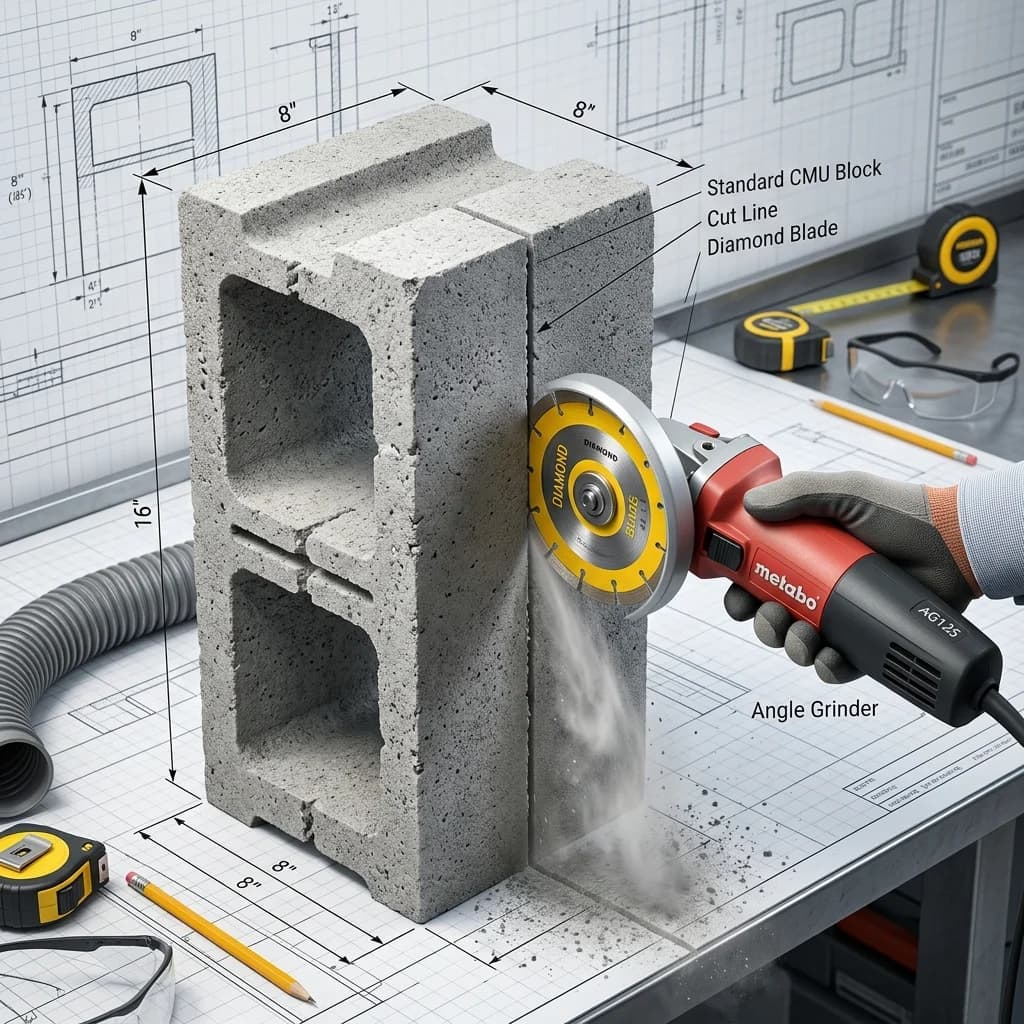
How to Cut Cinder Blocks: Grinder, Saw & Chisel Guide
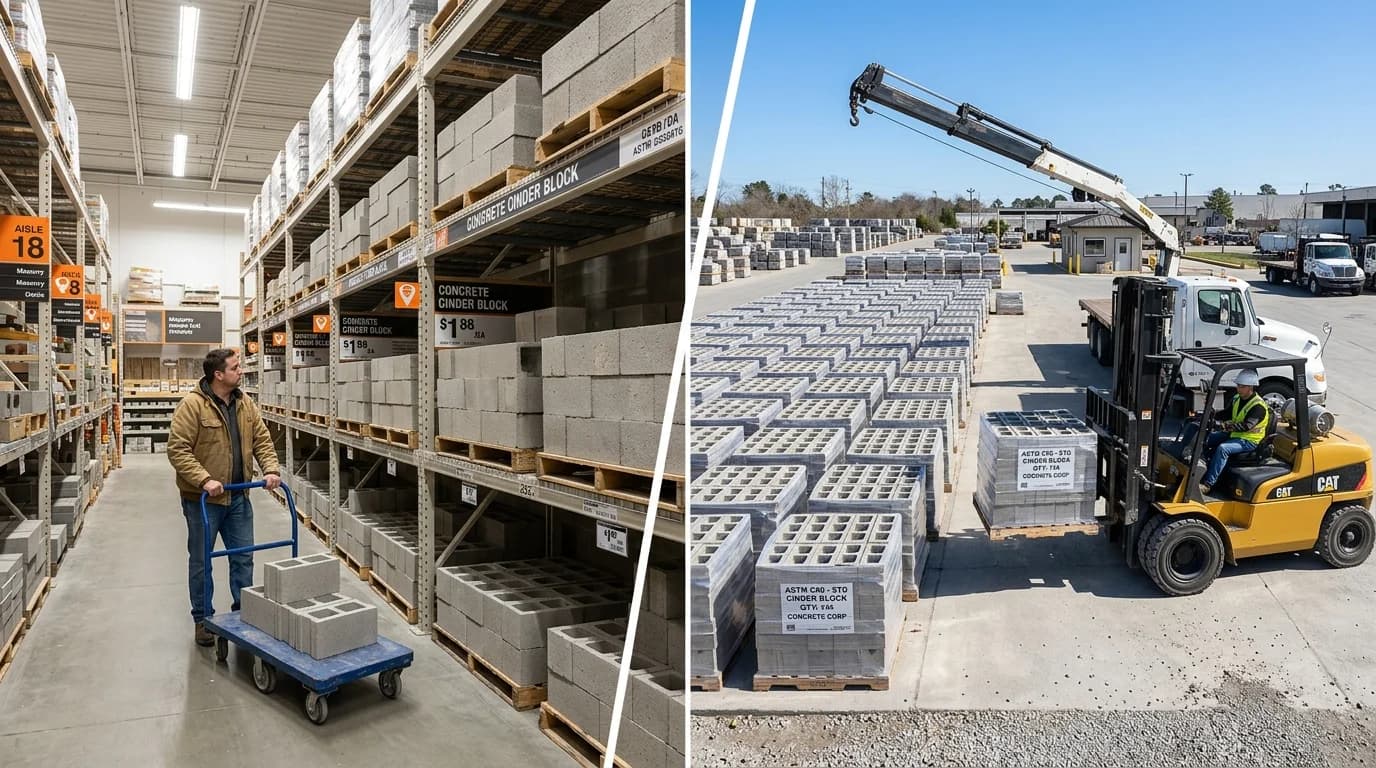
Where to Buy Cinder Blocks: Big Box vs Masonry Yards
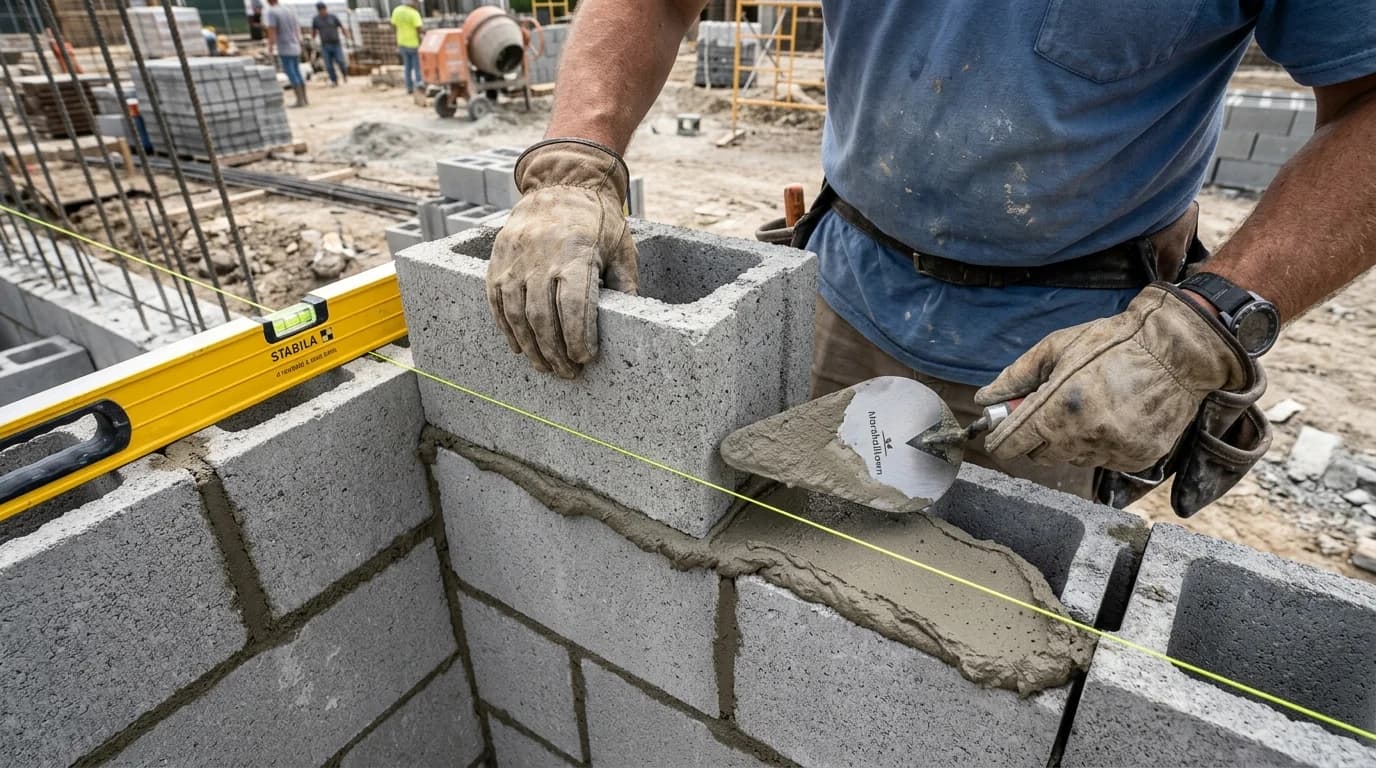
How to Lay Cinder Blocks: Masonry Guide for Beginners